Chakri Maha Prasat Hall
Bangkok, Thailand
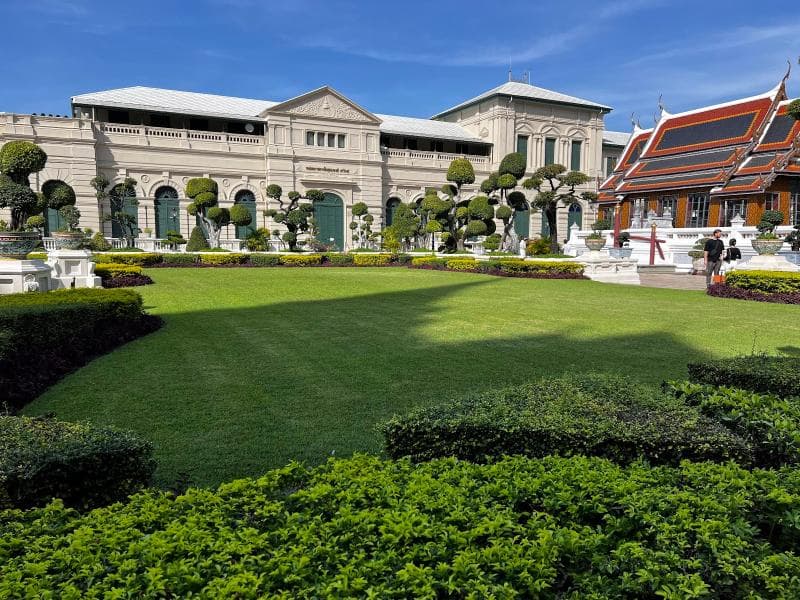
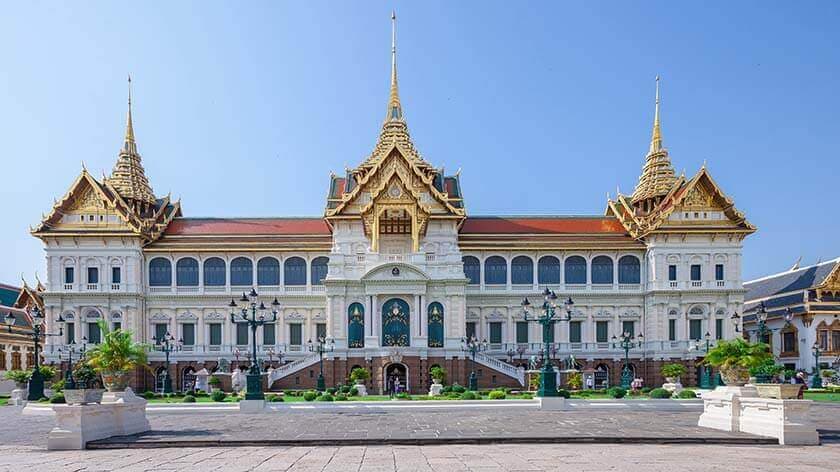
Explore Chakri Maha Prasat Hall in Bangkok, Thailand – a stunning fusion of Thai and European architecture within the Grand Palace. Discover its rich history and cultural significance.
Overview
Nestled within the sprawling, majestic grounds of the Grand Palace in Bangkok, Thailand, stands the Chakri Maha Prasat Hall, a captivating architectural marvel that immediately draws the eye. As the principal edifice of its namesake complex, it represents a pivotal moment in Thai history and design. This grand hall is not merely a building; it is a profound statement, showcasing a fascinating blend of traditional Thai aesthetics harmoniously intertwined with 19th-century European influences. It serves as one of the most prominent landmarks within the Grand Palace, beckoning curious travelers to delve into its unique story and grandeur.
History & Cultural Background
The story of Chakri Maha Prasat Hall begins in 1876, commissioned by King Chulalongkorn (Rama V) after his return from insightful visits to Singapore and Java. This was a period of significant modernization for Siam (as Thailand was then known), and the King initially envisioned an entirely European-style structure, complete with domes, to reflect his progressive outlook. However, wise counsel from his Chief Minister, Chao Phraya Si Suriyawongse, and other court members prevailed. They argued that the royal throne hall, as the residence of the sovereign, should unmistakably embody Siamese motifs and cultural identity.
Consequently, the original British architect, John Clunis (or Clunich), who had planned a purely Western design, had his plans modified to incorporate traditional Thai-style roofs and gilded spires, known as ‘prasats’. The construction, which began on May 7, 1876, reached completion in 1882, coinciding with the centenary of the House of Chakri and the Grand Palace itself. This deliberate fusion of styles was more than an architectural compromise; it was a powerful symbol of Thailand's strategic approach to modernization – embracing Western ideas while fiercely preserving its unique cultural heritage and national identity.
The hall also holds a special place in Thailand's technological history, distinguished as the first building in the country to be illuminated by electricity. This pioneering feat was spearheaded by Prince Devawongse Varoprakar, inspired by his observations of electric lighting during his travels in the West.
What Makes It Special
What truly sets the Chakri Maha Prasat Hall apart is its audacious and masterful architectural duality. Its lower levels feature a stately, Italian Renaissance-style marble facade, characterized by elegant columns and classical proportions, distinctly European in appearance. Yet, above this Western base, three magnificent traditional Thai roofs rise, adorned with vibrant multi-colored tiles, intricate green and orange patterns, and crowned with towering gilded spires.
This striking juxtaposition earned it the evocative popular epithet, 'Farang Suam Chada', which translates to 'Westerner wearing a Thai crown/headdress'. This nickname perfectly encapsulates the building's identity as a testament to Thailand's ability to selectively adopt foreign influences without surrendering its own rich traditions. Functionally, the hall continues to serve profound royal purposes. It is regularly utilized for formal state functions, such as granting audiences to diplomatic envoys, hosting distinguished foreign guests, and conducting significant royal ceremonies. Notably, it houses the Phutthan Thom Throne, an exquisite royal seat crafted from wood encased in silver with intricate nielloware and gilded gold – a prime example of Thai craftsmanship. The top floor also serves as a poignant repository for the royal ashes of monarchs and their queens, starting from the reign of King Mongkut (Rama IV).
Stories, Fun Facts & Local Details
- The 'Westerner in a Thai Hat': The Chakri Maha Prasat Hall's famous nickname, 'Farang Suam Chada', highlights its unique blend of architectural styles. The term 'Farang' refers to a Westerner, and 'Chada' is a traditional Thai crown or headdress, making the building a playful yet profound symbol of cultural synthesis.
- A King's Vision and a Minister's Wisdom: King Chulalongkorn's initial desire for a fully European palace was a bold statement of modernity. However, it was the persistent counsel of his Chief Minister that led to the iconic Thai spires gracing its roof, creating a harmonious blend that is now globally recognized.
- Early Adoption of Electricity: Ahead of its time, the Chakri Maha Prasat Hall became the first building in Thailand to be powered by electricity, marking a significant step in the nation's embrace of technological advancement.
- The Gifted Chandelier: Inside the throne hall, a magnificent chandelier hangs, which was not originally intended for the palace. It was too large for the personal residence of Somdet Chaophraya Borom Maha Sri Suriwongse, who then presented it as a gift to King Chulalongkorn.
- Royal Guard Presence: The base of the building is not only home to royal guards but also displays a fascinating collection of ancient weapons, providing a glimpse into the kingdom's military heritage.
- Chakri Dynasty Emblem: Above the elaborate wrought iron and frosted glass doors, visitors can observe the emblem of the Chakri dynasty: a three-bladed sword (ri) passing through the center of a sharpened disc (chak).
Visitor Perspective
As a key highlight within the Grand Palace complex, the Chakri Maha Prasat Hall is an essential stop for any traveler exploring Bangkok's royal heritage. While the hall's interior is generally not accessible to the public due to its continued use for important state functions and royal ceremonies, its exterior is a spectacle in itself.
Visitors can marvel at its distinctive architecture from the beautifully manicured lawns and gardens that surround it, offering ample opportunities for stunning photographs. Observing the intricate details of both its European facade and its Thai spires provides a deeper appreciation for the country's rich history and cultural adaptability. The serene atmosphere of the surrounding grounds, despite the bustling crowds, allows for quiet contemplation of its significance. It's advisable to visit early in the morning to experience the complex before the peak crowds arrive. Remember to adhere to the Grand Palace's strict dress code, which requires long pants or skirts, and shirts with sleeves, to ensure respectful entry into this revered site.
Coordinates: 100.4911, 13.7504
View on Google Maps💬 How Travelers Describe This Place
Based on community votes
Interesting
995Must See
989Unique
603Beautiful
581Photogenic
388
Traveler Stories
Discover memorable experiences shared by travelers who have visited this place.
No traveler stories yet.
Be the first traveler to share what made this place memorable.

Tour
By
Spot
Discover amazing places around the world. Your journey starts here.
Explore
© 2026 TourBySpot. All rights reserved.