Ceremonial Rooms
Podgorica, Montenegro
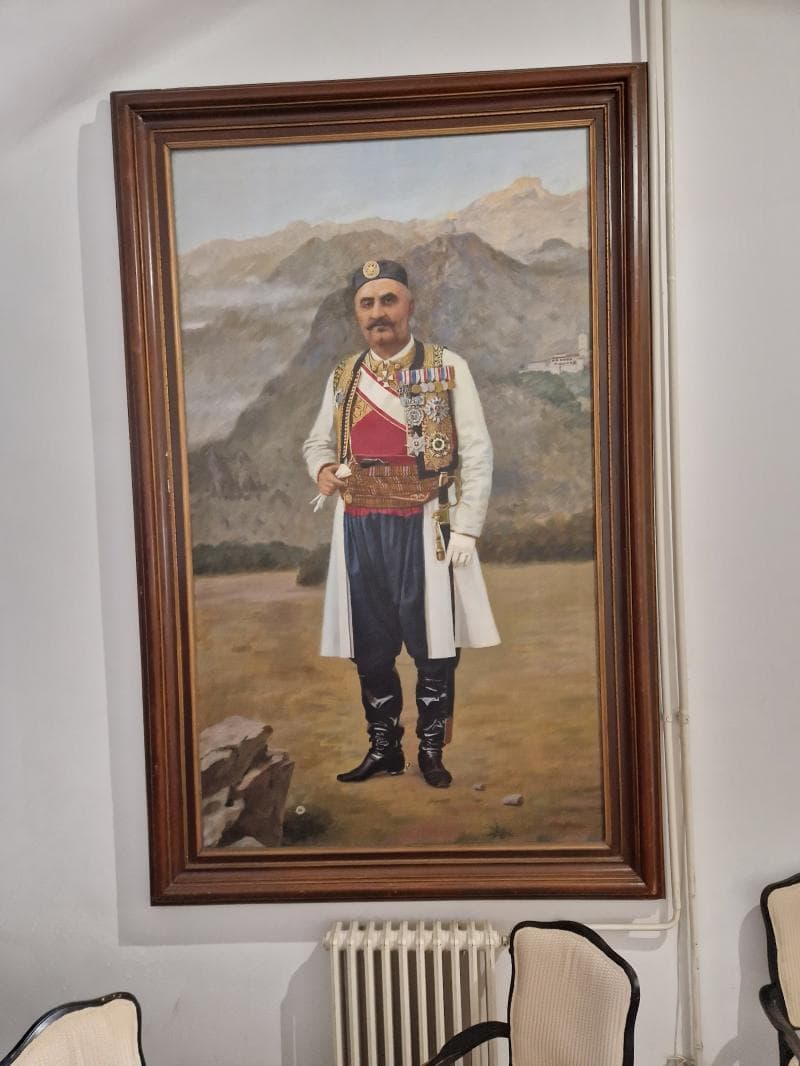
Explore King Nikola's Palace in Podgorica, Montenegro. Discover its ceremonial rooms, rich royal history, and current role as a contemporary art museum.
Overview
Nestled within the serene Petrović Park in Podgorica, Montenegro, King Nikola's Palace, also known as Petrović Palace or Kruševac, stands as a captivating historical landmark. Once the elegant winter residence of Montenegro's last monarch, King Nikola I Petrović-Njegoš, this late 19th-century edifice now serves a dual purpose as the Museum of Contemporary Art of Montenegro. While the term 'Ceremonial Rooms' might evoke images of perfectly preserved royal interiors, the palace today beautifully contrasts its rich historical grandeur with the dynamic world of modern art. Visitors are invited to explore the very spaces that once hosted royal dignitaries and significant state events, now thoughtfully transformed into engaging exhibition areas. It's a place where the echoes of a regal past meet the vibrant expressions of contemporary creativity, offering a unique journey through Montenegrin history and culture.
The palace complex is more than just a building; it is a blend of architectural heritage and natural beauty, featuring not only the main palace but also the House of the King's Guard (Perjanički dom), the Church of Saint Demetrius, and a lush botanical garden. This ensemble provides a comprehensive experience, inviting travelers to delve into the legacy of the Petrović-Njegoš dynasty while appreciating Montenegro's artistic landscape.
History & Cultural Background
The history of King Nikola's Palace in Podgorica is intrinsically linked to the formative years of modern Montenegro. Construction began in 1891, with the foundation stone laid on April 20, and was completed by 1894. King Nikola I Petrović-Njegoš commissioned this palace as a representative winter residence, primarily intended for his son, Prince Mirko Petrović-Njegoš. The palace's construction marked a significant period after Podgorica's liberation from Ottoman rule, symbolizing Montenegrin statehood and independence.
Designed in a Historicist architectural style, with notable elements of Neo-Renaissance and neoclassical influences, the palace was a testament to the European architectural trends of the late 19th century. Its original function as a royal abode meant it was built to host important political and social gatherings, requiring grand spaces suitable for ceremonial duties. However, its purpose shifted dramatically during the Balkan Wars (1912-1913), when the palace and its outbuildings were converted into a hospital, serving this vital function for decades.
In a significant cultural evolution, the palace found its contemporary identity. It began hosting art exhibitions in 1984, officially becoming the Center for Contemporary Art of Montenegro in 1985, and later transforming into the Museum of Contemporary Art of Montenegro (MCAM) in 2023. This transformation highlights a continuous commitment to cultural enrichment, albeit through different mediums across the centuries.
What Makes It Special
What truly sets the 'Ceremonial Rooms' of King Nikola's Palace apart is the fascinating juxtaposition of historical splendor and contemporary artistic expression. The very halls and chambers that once buzzed with royal protocol and diplomatic discussions now serve as an inspiring backdrop for modern art. The palace's original architecture, characterized by high ceilings, ornate details, and spacious layouts, naturally imbued these spaces with a sense of formality and significance. While the antique furniture and specific royal arrangements may no longer be in place, the inherent grandeur of the rooms still powerfully communicates their historical function.
Today, visitors can experience a unique dialogue between eras, where the architectural elegance of the Petrović dynasty provides a dramatic stage for a diverse collection of contemporary artworks. This blend creates an atmosphere unlike typical art galleries or historical museums. It's a place where every corner tells a story—not just of Montenegrin royalty, but also of the nation's ongoing cultural narrative. The palace's status as a cultural monument further underscores its importance, offering a tangible link to Montenegro's past while actively fostering its artistic future.
Stories, Fun Facts & Local Details
King Nikola's Palace holds a myriad of captivating stories that bring its past to life. Imagine the royal family, including Prince Mirko and his wife Natalia Constantinovich, residing here during the winter months, hosting guests and conducting affairs of state. Beyond its royal inhabitants, the palace complex at Kruševac was also a site of early technological advancement in Podgorica. It notably housed the city's first telegraph station, with telephones installed as early as 1895, showcasing a forward-thinking spirit within the royal court.
The palace's transformation into a hospital during the Balkan Wars offers another poignant layer to its history, highlighting its adaptability and service during times of crisis. Today, this historic setting is enveloped by the expansive Petrović Park, a beautiful green refuge that invites leisurely strolls amidst lush botanical gardens and even features a music pavilion. This park not only enhances the aesthetic appeal of the palace but also serves as a vibrant community space, connecting the past to the present-day life of Podgorica residents and visitors alike. The ongoing connection of the palace to the Petrović Njegoš Foundation also ensures that the legacy of the dynasty endures within its walls.
Visitor Perspective
For the curious traveler, a visit to the 'Ceremonial Rooms' of King Nikola's Palace offers a profound appreciation for Montenegrin heritage. As you walk through the two-story palace, consider the grand events that once unfolded here—the formal receptions, important discussions, and royal celebrations that shaped a nation. While the rooms now house thought-provoking contemporary art exhibitions from the Museum of Contemporary Art of Montenegro, the historical architecture remains a powerful presence. It invites you to observe how modern artistic expressions interact with and reinterpret a space steeped in history.
Allow yourself to be transported, envisioning the elegance and influence of the Petrović dynasty, even as you engage with cutting-edge art. The visit is not merely about seeing artifacts or paintings; it's about experiencing the evolution of a significant cultural space. The surrounding Petrović Park, with its serene botanical garden, complements the indoor experience, offering a peaceful setting for reflection before or after your exploration of the palace's unique blend of past and present. It's an opportunity to connect with Montenegro's layered identity, understanding its historical roots while celebrating its vibrant artistic future.
Coordinates: 19.25028, 42.43778
View on Google Maps💬 How Travelers Describe This Place
Based on community votes
Interesting
915Must See
211Unique
123Beautiful
74Photogenic
53
Traveler Stories
Discover memorable experiences shared by travelers who have visited this place.
No traveler stories yet.
Be the first traveler to share what made this place memorable.

Tour
By
Spot
Discover amazing places around the world. Your journey starts here.
Explore
© 2026 TourBySpot. All rights reserved.