Ceremonial Objects
Ulaanbaatar, Mongolia
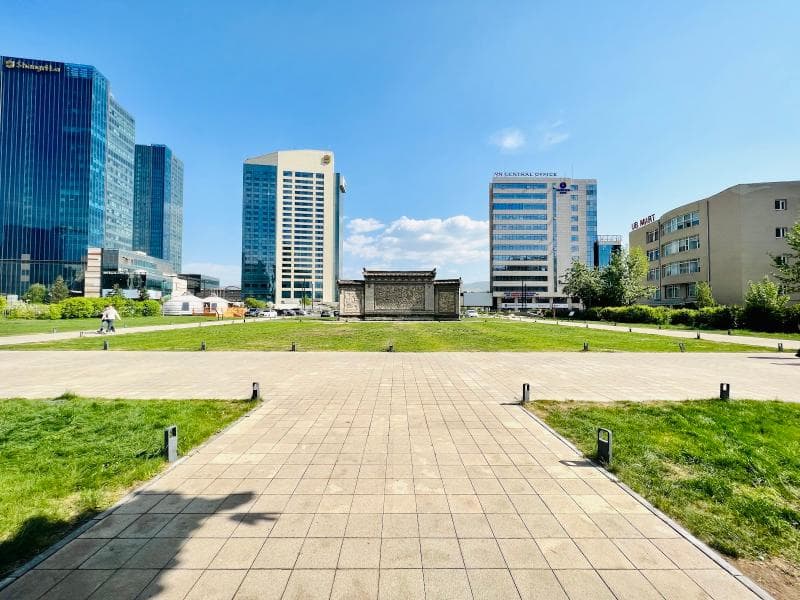
Explore the ceremonial objects at the Choijin Lama Temple Museum in Ulaanbaatar, Mongolia, offering insights into Buddhist art and spiritual heritage.
Overview
The Choijin Lama Temple Museum in Ulaanbaatar, Mongolia, stands as a captivating testament to Mongolian Buddhist art and history. Originally a functioning monastery complex, it was established between 1904 and 1908 and later preserved through its conversion into a museum in 1942. This unique institution houses an extraordinary collection of Buddhist artifacts, with a particular focus on ceremonial objects that offer deep insights into the spiritual practices and artistic traditions of Mongolia. Its survival during periods of religious suppression makes it a particularly significant cultural landmark in the heart of the capital.
History & Cultural Background
The temple complex was commissioned by the Eighth Bogd Khaan Jebzundamba, the theocratic ruler of Mongolia, and dedicated to his younger brother, Luvsankhaidav, who was known as the Choijin Lama. The title 'Choijin' translates to 'fierce defender of Buddhism,' highlighting his significant role as a state oracle and protector of the faith. Built between 1904 and 1908, the architecture of the complex is a remarkable blend of Mongolian, Chinese, and Tibetan influences. During the communist purges of the late 1930s, when countless monasteries were destroyed across Mongolia, the Choijin Lama Temple was one of the few to be spared. Thanks to concerted efforts, it was re-established as a museum in 1942, thereby safeguarding its invaluable contents for future generations. This act of preservation ensured that the rich heritage of Mongolian Buddhism, particularly its artistic and ceremonial expressions, would endure.
What Makes It Special
The 'Ceremonial Objects' collection within the Choijin Lama Temple Museum is a breathtaking display of religious artistry and devotion. It comprises a vast array of items used in Buddhist rituals and ceremonies, many of which date back as far as the 17th century. Visitors can marvel at richly decorated Tsam dance masks, crafted from papier-mâché and often intricately embroidered with materials like coral. These masks represent various deities and spirits, integral to the vibrant and elaborate Tsam ritual dances. The museum also showcases numerous gilded bronze statues of Buddhist deities, some attributed to the renowned 17th-century sculptor and religious reformer, Zanabazar. Beyond the masks and statues, the collection includes religious instruments, thangka paintings (sacred scroll paintings), silk embroideries, and intricate wood carvings, each telling a story of spiritual significance and masterful craftsmanship. The sheer volume and artistic quality of these ceremonial objects provide a unique window into the sophisticated religious culture of pre-revolutionary Mongolia.
Stories, Fun Facts & Local Details
Among the most striking ceremonial objects are the Tsam masks, which are not merely decorative but embody powerful spiritual entities during ritual performances. One notable example within the museum is a 30-kilogram ritual mask reportedly made from 7,000 red coral beads, showcasing the incredible dedication and artistry involved in their creation. The main temple itself houses a statue of the Choijin Lama Luvsankhaidav and, to its left, a statue containing the embalmed remains of his teacher, Baldan Choephel. This practice of preserving revered figures within statues is a poignant detail of the museum's spiritual legacy. The conversion of the temple into a museum rather than its destruction during the communist era is a testament to the foresight of those who recognized its immense cultural value, allowing these sacred objects to remain largely in their original context. The name 'Choijin' (Protector of Dharma) reflects the lama's role not just as a spiritual leader but as a guardian of Buddhist teachings, a concept beautifully illustrated by the powerful and often fierce imagery found in the ceremonial artifacts.
Visitor Perspective
Stepping into the Choijin Lama Temple Museum is like entering a sanctuary where time has stood still amidst the bustling modernity of Ulaanbaatar. The ceremonial objects are displayed within the original temple structures, offering an authentic and immersive experience. Visitors are guided through halls adorned with these powerful artifacts, allowing them to appreciate the intricate details of each mask, the serene expressions of the bronze Buddhas, and the vibrant narratives depicted in the thangkas. The ambiance evokes a sense of reverence and wonder, encouraging contemplation of Mongolia's rich spiritual past. It's a place where the elaborate costumes, ritual instruments, and sacred imagery come alive, offering a profound appreciation for the cultural and historical depth of Mongolian Buddhism. The museum provides an invaluable opportunity for curious travelers to connect with the artistic and religious heritage of the country, away from purely academic exhibitions, in a setting that retains much of its original sanctity.
Coordinates: 106.9183318251906, 47.91481042044013
View on Google Maps💬 How Travelers Describe This Place
Based on community votes
Must See
623Unique
545Beautiful
343Photogenic
211Interesting
20
Traveler Stories
Discover memorable experiences shared by travelers who have visited this place.
No traveler stories yet.
Be the first traveler to share what made this place memorable.

Tour
By
Spot
Discover amazing places around the world. Your journey starts here.
Explore
© 2026 TourBySpot. All rights reserved.