Ceramics Collection
Jakarta, Indonesia
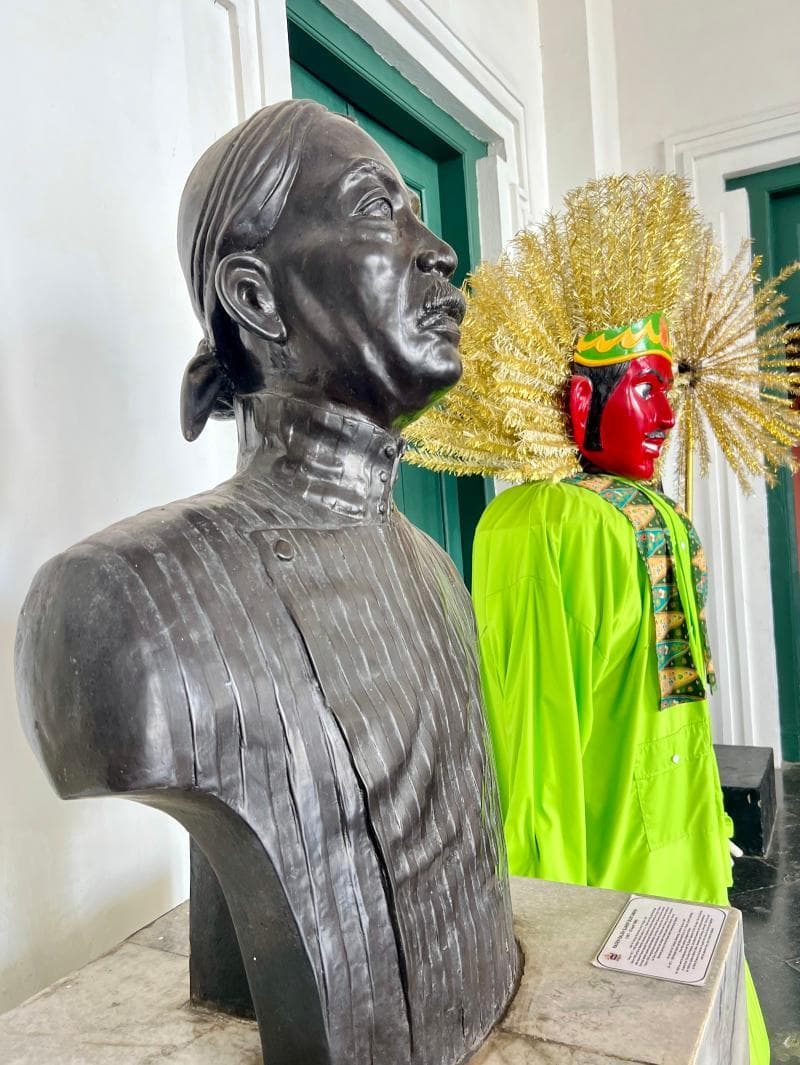
Explore the rich Ceramics Collection at the National Museum of Indonesia in Jakarta, offering a profound journey through centuries of artistry and global trade.
Overview
Stepping into the Ceramics Collection at the National Museum of Indonesia in Jakarta is like embarking on a captivating journey through centuries of artistry and global trade. This remarkable sub-spot within the broader museum houses one of Southeast Asia's most extensive and finest ceramic collections, offering a profound glimpse into Indonesia's rich cultural tapestry and its historical connections with the wider world. Visitors are invited to explore an astounding array of pottery, from delicate porcelain to robust earthenware, each piece telling a unique story of its origin and purpose.
History & Cultural Background
The foundation of this impressive collection is largely attributed to Egbert Willem Van Orsey de Flines, a dedicated Dutch national. Arriving in Indonesia in 1913, de Flines began to amass a private collection, which he generously donated to the museum in 1929. He then continued to serve as the curator of ceramics, tirelessly expanding the collection to approximately 5,000 pieces by the time of his return to Holland in 1959. The history of ceramics in the Indonesian Archipelago is deeply intertwined with international trade routes. For centuries, ceramics from distant lands such as China, India, Vietnam, Thailand, Japan, the Middle East, and Europe were exchanged for valuable spices. This influx of foreign ceramics, particularly Chinese porcelain, became highly prized, shaping local aesthetics and serving diverse functions within Indonesian society.
What Makes It Special
What truly sets the National Museum of Indonesia's Ceramics Collection apart is its unparalleled diversity and historical depth. It boasts a world-class assortment of Chinese ceramics, featuring exquisite pieces dating back to the Han, Tang, and Ming Dynasties, which represent the zenith of ceramic artistry. Beyond Chinese wares, the collection was pioneering in its acquisition of Southeast Asian ceramics, including significant Thai and Vietnamese examples, alongside a broad spectrum of 'foreign' ceramics gathered from across the vast Indonesian Archipelago. This comprehensive nature makes it an invaluable archive, reflecting centuries of cultural exchange and the evolving tastes of the region. Each shard and vessel offers tangible evidence of Indonesia's place at the crossroads of ancient maritime trade, illustrating how these objects became integral to local life.
Stories, Fun Facts & Local Details
For the people of Indonesia, ceramics were much more than mere utilitarian objects; they were often cherished as 'pusaka,' or precious heirlooms. Passed down through generations, these ceramics served as symbols of family status and were integral to traditional religious rites and ceremonies. Imagine a family gathering, where a beautifully glazed bowl, perhaps originating from a faraway land, would be brought out for special occasions, imbued with ancestral stories and cultural significance. The very act of collecting these items by de Flines was a testament to his understanding of their deep cultural value to the Indonesian people. A fascinating part of the collection includes 'Keramik Teksing,' recovered from the Tek Sing shipwreck, which offers a dramatic narrative of maritime history and trade gone awry. This collection also vividly demonstrates the preference for Chinese porcelain among Indonesian communities, a preference driven by its intricate designs and robust quality, achieved through complex firing processes at temperatures exceeding 1300 degrees Celsius. While a fire in September 2023 affected some parts of the older building, leading to temporary closure for renovation, the dedication to preserving and restoring this invaluable heritage remains paramount.
Visitor Perspective
For any curious traveler or history enthusiast, the Ceramics Collection provides a unique window into Indonesia's past. You'll gain a deeper appreciation for the artistry and craftsmanship involved in ceramic production, as well as the intricate web of trade and cultural interactions that shaped the archipelago. The collection is meticulously organized, guiding you through different periods and geographical origins, allowing you to trace the evolution of ceramic styles and their cultural impact. It's an opportunity to connect with the material history of a nation, understanding how these everyday (and not-so-everyday) objects became vital carriers of tradition, wealth, and cultural identity. Walking through the exhibits, you'll feel the resonance of ancient stories and the enduring legacy of a craft that continues to inspire. The depth of the collection ensures that every visit reveals new insights, making it a truly enriching experience within the vibrant cultural landscape of Jakarta.
Coordinates: 106.8217, -6.1761
View on Google Maps💬 How Travelers Describe This Place
Based on community votes
Interesting
953Beautiful
695Photogenic
658Must See
396Unique
22
Traveler Stories
Discover memorable experiences shared by travelers who have visited this place.
No traveler stories yet.
Be the first traveler to share what made this place memorable.

Tour
By
Spot
Discover amazing places around the world. Your journey starts here.
Explore
© 2026 TourBySpot. All rights reserved.