Central Fountain
Ulaanbaatar, Mongolia
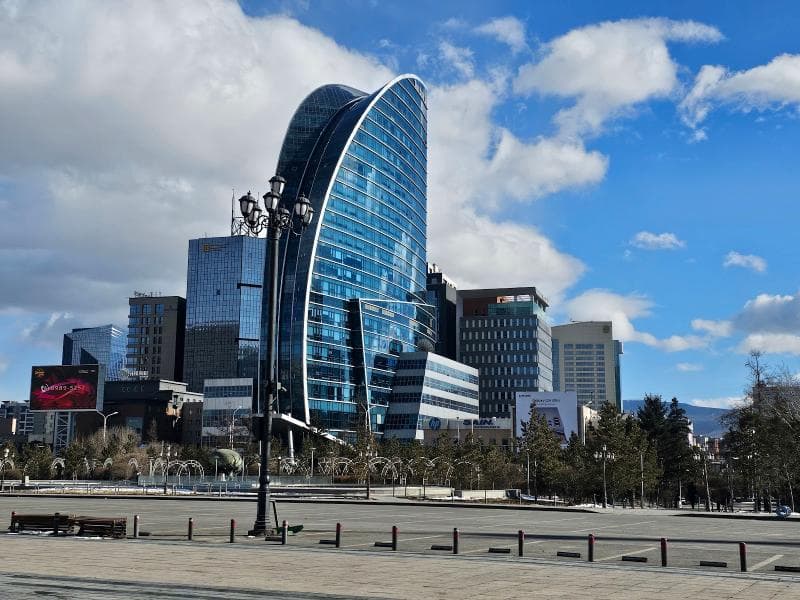
Discover the Central Fountain at Sukhbaatar Square in Ulaanbaatar, Mongolia. Explore its history, cultural significance, and vibrant atmosphere.
Overview
At the very heart of Mongolia's bustling capital, Ulaanbaatar, lies Sukhbaatar Square, a vast and historically significant public space. Within this expansive plaza, a prominent feature captivating visitors and locals alike is the Central Fountain. This modern addition enhances the square's vibrant atmosphere, offering a refreshing spectacle of water and light, especially during the warmer months. Sukhbaatar Square itself serves as the city's central point, a place where the pulse of Ulaanbaatar's past and present can be distinctly felt. It is surrounded by impressive architectural landmarks, including the grand Government Palace, and is a constant hub of activity, from national celebrations to everyday social gatherings.
History & Cultural Background
Sukhbaatar Square bears the name of Damdin Sükhbaatar, a pivotal figure in Mongolia's struggle for independence in the early 20th century. The square was officially named in his honor shortly after his death in 1923, cementing his legacy as a revolutionary hero. For a period, from 2013 to 2016, the square was briefly known as Chinggis Square, a nod to the revered Genghis Khan, whose imposing monument now stands proudly before the Government Palace on the square's northern side. Historically, the area where the square now stands was once occupied by a significant temple-monastery-palace complex known as the Yellow Palace during the late 19th and early 20th centuries. This complex was later razed following the Mongolian People's Revolution of 1921. The square has since been a witness to key moments in Mongolian history, including major state ceremonies, and notably, it was the focal point of the Democratic Revolution of 1990, a series of peaceful protests that marked a significant shift in the nation's political landscape.
What Makes It Special
The Central Fountain of Sukhbaatar Square, inaugurated in 2020 as part of an urban park renovation, stands out as a distinctive and engaging attraction. This impressive musical water fountain spans 85 meters and is renowned for its captivating light and water shows that draw crowds of all ages, making it a beloved spot in Ulaanbaatar. Beyond the fountain's modern allure, the square offers a compelling blend of historical significance and contemporary urban life. It is home to the iconic equestrian statue of Damdin Sükhbaatar, positioned at the square's center, and the majestic colonnade monument featuring statues of Genghis Khan, Ögedei Khan, and Kublai Khan to the north. The juxtaposition of these powerful historical symbols with the modern surrounding buildings, including sleek skyscrapers like the Blue Sky Tower, creates a unique architectural contrast that reflects Mongolia's journey through time.
Stories, Fun Facts & Local Details
One of the enduring stories associated with Sukhbaatar Square centers around the equestrian statue of Damdin Sükhbaatar. It is said that the statue marks the exact spot where Sükhbaatar's horse allegedly urinated during a victory rally on July 8, 1921, an event that was considered a good omen by the Mongolian people. Today, the square is a vibrant tapestry of daily life and special occasions. It is common to see families dressed in beautiful traditional deels celebrating graduations, weddings, and birthdays, often posing for photographs against the backdrop of the statues and the fountain. Throughout the year, the square hosts a variety of events, from cultural festivals and concerts in the summer to charming ice sculptures in the winter, ensuring there is always something happening. It's a place where locals embrace their heritage and enjoy communal leisure, providing an authentic glimpse into Mongolian culture for curious travelers. Visiting heads of state frequently pay their respects in front of the statues of Sükhbaatar and Genghis Khan, highlighting the square's national and international importance.
Visitor Perspective
For any traveler exploring Ulaanbaatar, Sukhbaatar Square, with its enchanting Central Fountain, is an essential stop. It offers a unique opportunity to immerse oneself in the heart of Mongolian civic life and witness the harmonious blend of history, architecture, and community spirit. The square is pedestrian-friendly, inviting visitors to stroll freely, soak in the atmosphere, and capture memorable photographs. It provides an excellent vantage point to observe the city's dynamic rhythm, from solemn national ceremonies to joyous local celebrations. Sitting by the Central Fountain, especially during its evening light and water shows, offers a peaceful moment of contemplation amidst the urban energy. It's a place where one can connect with the soul of Ulaanbaatar, understanding its past, appreciating its present, and envisioning its future. The grandeur of the monuments and the lively activity around the fountain make it a captivating experience that leaves a lasting impression.
Coordinates: 106.917593, 47.918917
View on Google Maps💬 How Travelers Describe This Place
Based on community votes
Must See
551Interesting
421Photogenic
366Beautiful
298Unique
212
Traveler Stories
Discover memorable experiences shared by travelers who have visited this place.
No traveler stories yet.
Be the first traveler to share what made this place memorable.

Tour
By
Spot
Discover amazing places around the world. Your journey starts here.
Explore
© 2026 TourBySpot. All rights reserved.