Cemetery Area
Bergen, Norway
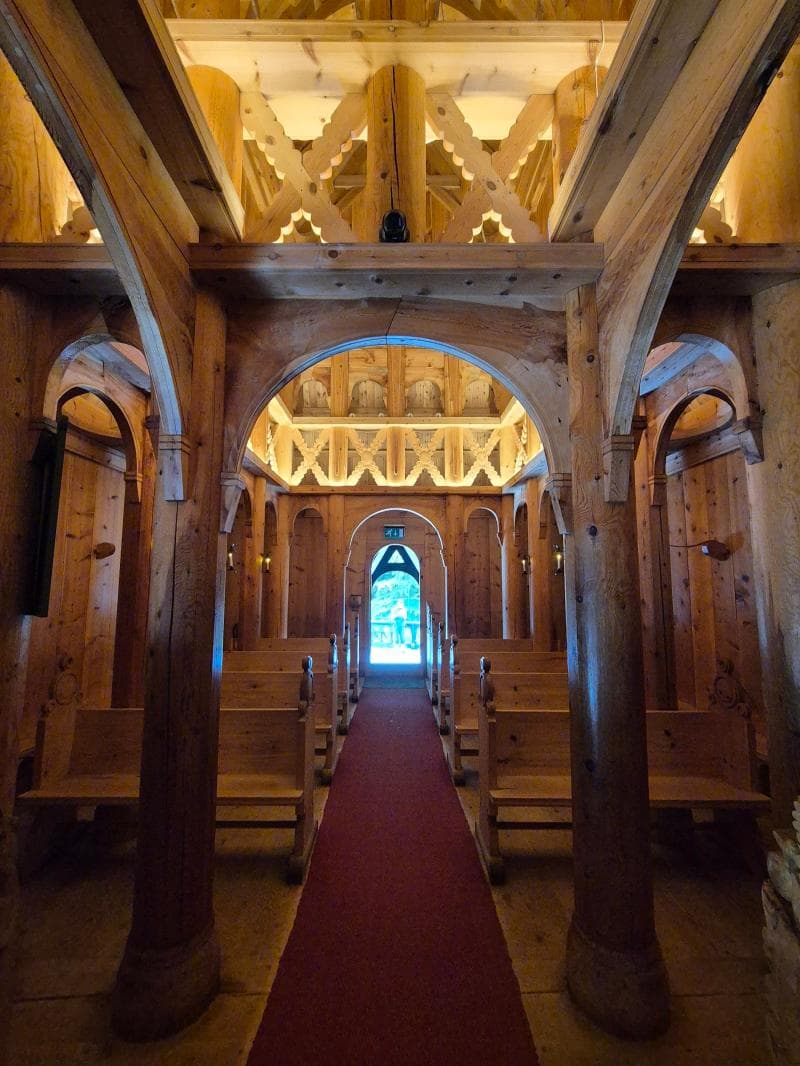
Explore the tranquil Cemetery Area at Fantoft Stave Church in Bergen, Norway. Discover its serene atmosphere, ancient stone cross, and historical context.
Overview
Nestled amidst a tranquil grove of pine trees in Bergen, Norway, the Cemetery Area surrounding Fantoft Stave Church offers a profound sense of peace and reflection. This sacred ground provides a serene counterpoint to the dramatic history of the stave church itself, inviting visitors to pause and contemplate the passage of time. While the Fantoft Stave Church stands as a remarkable reconstruction, having been meticulously rebuilt after a devastating arson, the churchyard maintains an ancient, contemplative atmosphere, serving as a silent guardian to the wooden marvel it encompasses. It is a place where nature, history, and spirituality converge, creating a unique and evocative experience for any traveler.
History & Cultural Background
The history of the Fantoft Stave Church, and by extension its cemetery, is one of remarkable resilience. The original church was first built around 1150 in Fortun, a village near the Sognefjord. In the late 19th century, to save it from demolition, a Bergen merchant named Fredrik Georg Gade had the church dismantled and moved piece by piece to Fantoft in 1883. It stood here for over a century before being tragically destroyed by arson in 1992, an event that made national headlines.
The current church is a faithful reconstruction, completed in 1997, using traditional methods and materials, including 400-year-old pine. The presence of a churchyard, or cemetery, around a church is a centuries-old tradition in Norway and across Europe, reflecting the historical role of churches as central community hubs, not just for worship but also as final resting places. Historically, such grounds were integral to the life and death cycles of local communities. Within this cemetery area, visitors can find an ancient stone cross, originally from Tjora in Sola Municipality, adding another layer of historical depth to the site.
What Makes It Special
What truly distinguishes the Cemetery Area at Fantoft Stave Church is the powerful synergy it creates with the stave church itself. The dense canopy of pine trees casts dappled light, lending an almost surreal quality to the surroundings, especially during the late afternoon. This natural setting enhances the mystical aura of the stave church, whose dark shingles and dragon-headed gables evoke ancient Norse traditions blending with early Christianity. The cemetery provides a quiet, respectful distance that allows the architectural grandeur of the church to be fully appreciated, framed by the solemnity of the grave markers and the embracing forest. It’s not merely a burial ground; it’s an integral part of the narrative, a grounding element that connects the church to the generations that came before and those who visit today. An original stone cross, dating back centuries, stands prominently within the grounds, a tangible link to an even older past, reminding visitors of Norway's deep-rooted Christian heritage.
Stories, Fun Facts & Local Details
While specific detailed stories about individuals buried in the Fantoft cemetery are not widely publicized, the very existence of this quiet burial ground speaks volumes about the continuous human presence around such a significant structure. The atmosphere is one of profound tranquility, which some visitors have noted can feel almost eerily evocative, a sense of being in a place deeply steeped in history and quiet reverence. The rebuilding of the church after the 1992 fire was a testament to national pride and a commitment to preserving Norwegian cultural heritage, turning a site of destruction into a symbol of resilience. The surrounding cemetery grounds, therefore, represent continuity, a silent witness to the church's tumultuous journey. Inside the reconstructed church, remnants from the original structure, such as a 'wish stone' placed in one wall and the altar cross, further connect the present to its ancient past, echoing the enduring sacredness of the entire precinct, including the hallowed ground around it.
Visitor Perspective
A visit to the Cemetery Area at Fantoft Stave Church offers a distinctly immersive experience. It's often the first part of the site that visitors encounter after their journey through the residential area and up the path. The approach through the trees, with the unique silhouette of the stave church gradually appearing, prepares one for the historical and spiritual encounter. The cemetery encourages a slower pace, a moment of quiet contemplation before or after marveling at the intricate wooden architecture. It's a place to feel the subtle coolness of the shade, listen to the whisper of the pines, and observe the traditional stone and ironwork of older graves. This peaceful setting makes the Fantoft Stave Church not just a historical exhibit, but a living, breathing landscape where history is felt as much as it is seen. It's an essential part of understanding the church's context, providing a tangible link to the communities it has served throughout its many incarnations. It's a space that encourages reverence and reflection, a quiet corner of Bergen where history truly comes alive.
Coordinates: 5.35328, 60.3393
View on Google Maps💬 How Travelers Describe This Place
Based on community votes
Must See
886Beautiful
564Unique
201Interesting
121Photogenic
87
Traveler Stories
Discover memorable experiences shared by travelers who have visited this place.
No traveler stories yet.
Be the first traveler to share what made this place memorable.

Tour
By
Spot
Discover amazing places around the world. Your journey starts here.
Explore
© 2026 TourBySpot. All rights reserved.