Cellars
Split, Croatia
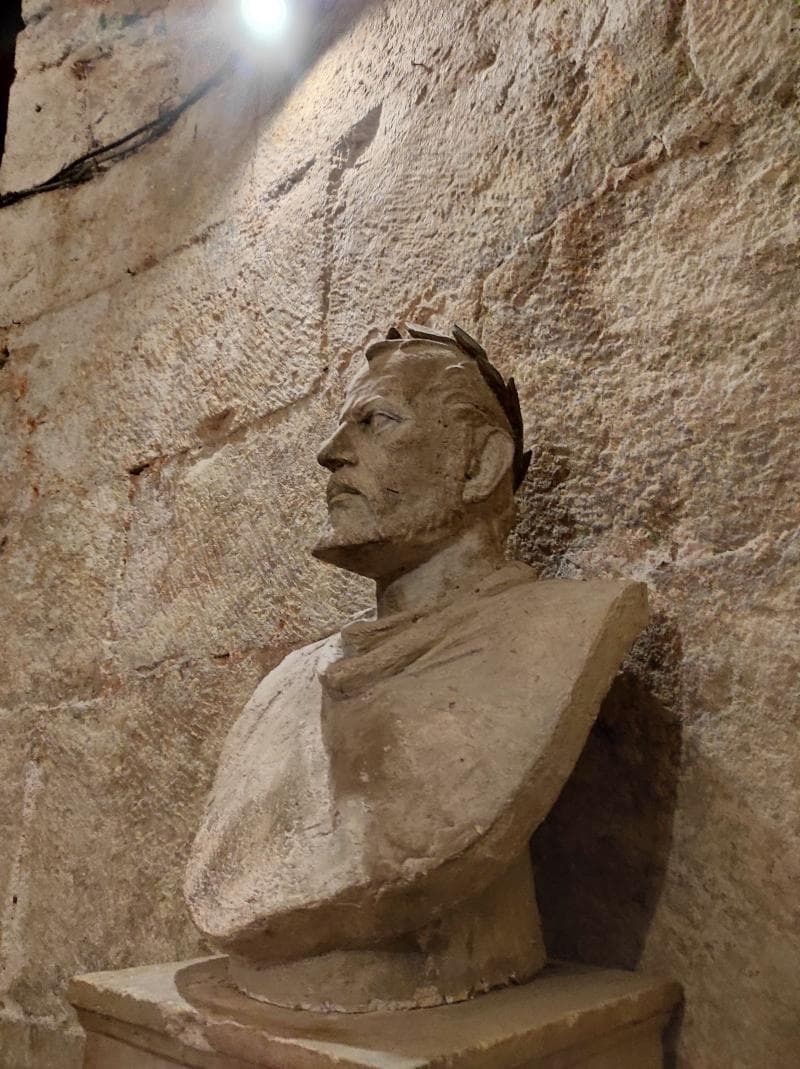
Explore the ancient Cellars of Diocletian's Palace in Split, Croatia. Discover Roman engineering, historical context, and 'Game of Thrones' filming locations in these remarkably preserved underground halls.
Overview
Deep beneath the bustling streets of Split, Croatia, lie the remarkable Cellars of Diocletian's Palace, a subterranean labyrinth offering an unparalleled journey into ancient Roman history. Constructed in the 4th century AD, these vast vaulted substructures were originally designed with a dual purpose: to support the emperor's lavish residential apartments above and to serve as practical storage spaces for the palace's provisions, including food, wine, and other vital supplies. What makes the Cellars particularly significant is their incredibly well-preserved state, considered among the finest examples of ancient Roman substructural architecture found anywhere in the world. Their layout ingeniously mirrors the floor plan of the imperial chambers that once stood directly above them, providing historians and visitors alike with a unique blueprint of the palace's original design. Today, these historic spaces function as a fascinating historical site, an exhibition venue, a marketplace for local artisans, and a vibrant cultural hub within the heart of Split.
History & Cultural Background
The Cellars owe their existence to Emperor Diocletian, who commissioned his grand retirement palace between approximately 295 and 305 AD on the Dalmatian coast, near his birthplace of Salona. The primary architectural role of the Cellars was structural, created to level the southern, seaward-facing side of the palace and elevate the imperial residential quarters above the sloping terrain. Beyond this crucial engineering function, they also served as the palace's main storage facilities, housing various goods essential for the imperial household. After Diocletian's death and the eventual decline of Roman authority, the palace transitioned from an imperial residence to the nascent city of Split itself, with refugees seeking shelter within its protective walls during the 7th century. Over centuries, the Cellars were gradually filled with debris, waste materials, and even repurposed as a sewage system by medieval inhabitants living in houses built directly above. Ironically, this period of neglect and burial played a vital role in preserving their original structure and architectural details. The rediscovery and systematic excavation of the Cellars began in the mid-19th century, notably pioneered by Croatian architect and conservator Vicko Andrić, continuing into the 20th century, leading to their careful restoration and eventual opening to the public.
What Makes It Special
The Cellars of Diocletian's Palace are an extraordinary showcase of Roman engineering and architectural ingenuity. Their meticulously planned construction, featuring massive barrel vaults, demonstrates the Romans' advanced understanding of weight distribution and structural integrity. What truly sets them apart is their role as a 'negative' imprint of the imperial apartments; their subterranean layout is an almost exact replica of the opulent rooms that once graced the level above. This unique characteristic has allowed historians to accurately reconstruct the appearance and function of the emperor's lost chambers. Recognized for their outstanding universal value, the Cellars are an integral part of Diocletian's Palace, which was designated a UNESCO World Heritage site in 1979. Beyond their historical and architectural merits, the Cellars offer a practical advantage for visitors: their underground location ensures a consistently cool temperature year-round, providing a welcome respite from Split's intense summer heat, making them an ideal midday excursion.
Stories, Fun Facts & Local Details
Wandering through the Cellars reveals tangible links to their ancient past. Visitors can still observe the remnants of large presses, which were once used for the production of wine and olive oil, serving as a testament to the palace's self-sufficiency and the emperor's tastes. An intriguing detail is a circular room known for its impeccable acoustics. It is believed this space might have served as a foyer to the emperor's private bedrooms, with its echoing properties potentially alerting Diocletian to anyone approaching at night – a feature perhaps born from the emperor's reputed paranoia. In more recent times, the Cellars have found unexpected fame as a filming location for the popular television series 'Game of Thrones,' where they dramatically portrayed Daenerys Targaryen's dragon lair, adding a modern pop culture layer to their ancient mystique. During the Middle Ages, local folklore sometimes imbued the Cellars with a darker mystique, with popular belief suggesting they were dungeons where Emperor Diocletian tortured Christians, though historical evidence does not support this use for the substructures. Nevertheless, the Cellars did serve various purposes over time, including temporary residential quarters for early medieval inhabitants and later as a water storage facility. Today, parts of the Cellars are vibrant with life, hosting local artisan stalls where visitors can find unique souvenirs and artworks, bridging the ancient past with contemporary local culture.
Visitor Perspective
Exploring the Cellars offers a deeply immersive experience into the grandeur of Roman imperial life and the engineering prowess of the era. The primary access points are via the Bronze Gate (also known as the Brass Gate) directly from the Riva promenade, or by descending stairs from the central Peristyle. While a central corridor of the Cellars, often lined with souvenir vendors, can typically be traversed freely, access to the more extensively preserved eastern and western halls usually requires a ticket. Visitors should plan for approximately 45 to 90 minutes to fully appreciate the historical significance and architectural details of the site. The Cellars' atmosphere is enhanced by the cool, stone environment, making it a particularly pleasant visit during warmer months. It is advisable to wear comfortable shoes, as surfaces can be uneven. While some efforts have been made for accessibility, visitors with significant mobility limitations should verify current accessibility arrangements directly with the site before their visit, as some areas with stairs and uneven terrain may present challenges. Audio guides are available to enrich the experience, and a gift shop offers further historical context and mementos.
Coordinates: 16.44, 43.5083
View on Google Maps💬 How Travelers Describe This Place
Based on community votes
Beautiful
853Interesting
639Photogenic
569Must See
190Unique
93
Traveler Stories
Discover memorable experiences shared by travelers who have visited this place.
No traveler stories yet.
Be the first traveler to share what made this place memorable.

Tour
By
Spot
Discover amazing places around the world. Your journey starts here.
Explore
© 2026 TourBySpot. All rights reserved.