Ceiling Frescoes
Lviv, Ukraine
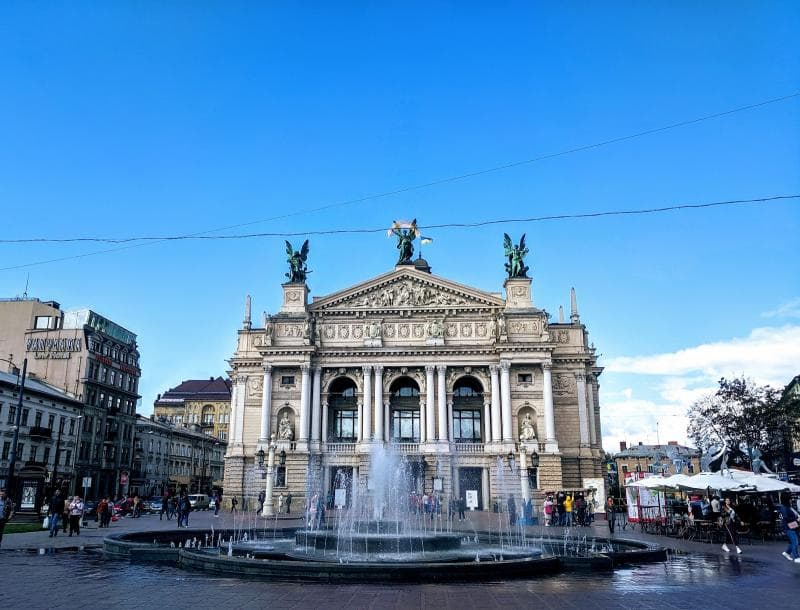
Discover the exquisite Ceiling Frescoes of the Lviv Opera House in Lviv, Ukraine. Explore their history, intricate artistry, and the allegorical tales they tell, making this architectural marvel a must-see cultural gem.
Overview
Stepping into the Lviv Opera House, officially known as the Solomiya Krushelnytska Lviv National Academic Theatre of Opera and Ballet, is like entering a vibrant canvas where history and art intertwine. Among its many lavish adornments, the ceiling frescoes stand out as a breathtaking testament to late 19th-century artistic mastery and architectural ambition. These magnificent painted ceilings, located within the main auditorium and various other halls, are far more than mere decoration; they are narrative masterpieces that captivate every visitor, offering a glimpse into the allegorical world that inspired their creators. The frescoes contribute significantly to the theatre's Neo-Renaissance grandeur, making it one of Europe's most beautiful opera houses.
History & Cultural Background
The Lviv Opera House was constructed between 1897 and 1900, a period when Lviv, then known as Lemberg, flourished as a major cultural hub within the Austro-Hungarian Empire. The esteemed architect Zygmunt Gorgolewski, a graduate of the Berlin Building Academy, spearheaded its design and construction, facing the extraordinary challenge of erecting a monumental structure on the marshland of the submerged Poltva River. His innovative engineering solution, which involved enclosing the river in an underground collector and using concrete block foundations, was a pioneering feat in Europe. The interior decoration was a collaborative effort involving numerous prominent Polish and local Lviv artists of the time. This collective approach, deviating from the tradition of a single master artist, resulted in a diverse yet harmonized artistic expression across the theatre's expansive ceilings and walls.
What Makes It Special
The ceiling frescoes of the Lviv Opera House are exceptional due to their scale, thematic richness, and the collaborative spirit of their creation. The main auditorium's grand plafond, titled 'Apotheosis of Glory', was painted under the supervision of Stanisław Rejchan. This central piece is surrounded by ten distinct sectors, each depicting allegorical figures that represent emotions, arts, and human endeavors, thereby visually enriching the theatrical experience. Artists like Aleksander Augustynowicz, Tadeusz Popiel, and Antoni Stefanowicz contributed to these intricate allegories, portraying figures such as Music, Grace, Truth, Illusion, and Innocence, each laden with symbolic meaning. For instance, Truth is depicted holding a mirror, while Illusion clutches a large soap bubble. The Hall of Mirrors also features a ceiling adorned with works by Stanisław Dębicki, depicting allegories such as Poetry listening to the sound of a bell, Music with a lyre, and Dance with a tambourine, further enhancing the building's artistic splendor. The use of several kilograms of gold in the gilding throughout the interior, including the ceilings, adds to the opulence and shimmer, creating a truly magnificent atmosphere.
Stories, Fun Facts & Local Details
One fascinating aspect of the Lviv Opera House's ceiling frescoes is the sheer number of artists involved. Unlike many European theatres where a single master would oversee all artistic work, the Lviv Opera House became a showcase for approximately twelve different artists, each contributing their unique vision to the auditorium's ceiling. This collaborative masterpiece includes specific allegorical figures that invite contemplation. For example, above the stage, one can discern 'Grace' by Edward Miron Pietsch and 'Music' by Aleksander Augustynowicz. In the vestibule, allegories of seasons, various arts, and professions are depicted in twelve paintings led by Tadeusz Popiel. The meticulous detail extends even to ventilation grates, disguised as decorative elements designed by architect Zygmunt Gorgolewski himself. The Lviv Opera House's luxurious interior and exterior, including its ceiling art, often draw comparisons to the famous Paris Opera (Palais Garnier), reflecting the high artistic standards of its era.
Visitor Perspective
For any curious traveler, experiencing the ceiling frescoes of the Lviv Opera House is an unforgettable highlight. Whether attending a world-class opera or ballet performance, or simply taking a guided tour, the artwork above is an integral part of the immersive cultural journey. As you gaze upwards, the intricate details, vibrant colors, and profound allegorical narratives of the frescoes transport you to another era, offering a deep connection to the rich artistic heritage of Lviv. The interplay of light, especially from the grand chandelier, illuminates these celestial scenes, bringing the allegorical figures to life. The frescoes are not just static images; they are a dynamic part of the theatre's soul, inspiring awe and wonder, and reflecting the triumphs of art, life, and love that the theatre itself celebrates. Witnessing these masterpieces provides a profound appreciation for the dedication and talent of the artists who transformed a functional ceiling into an enduring work of art.
Coordinates: 24.02619, 49.8440636
View on Google Maps💬 How Travelers Describe This Place
Based on community votes
Photogenic
674Interesting
356Must See
290Unique
261Beautiful
184
Traveler Stories
Discover memorable experiences shared by travelers who have visited this place.
No traveler stories yet.
Be the first traveler to share what made this place memorable.

Tour
By
Spot
Discover amazing places around the world. Your journey starts here.
Explore
© 2026 TourBySpot. All rights reserved.