Cathedral Square
Tallinn, Estonia
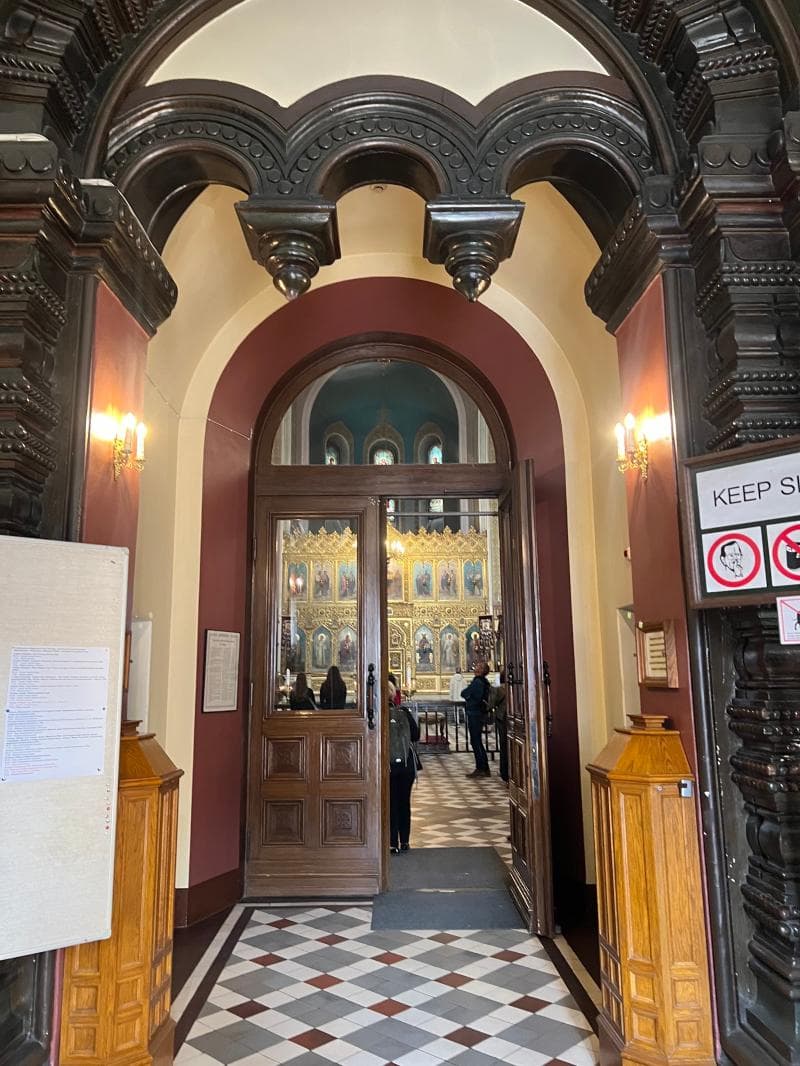
Explore Cathedral Square and the majestic Alexander Nevsky Cathedral in Tallinn, Estonia. Discover its Russian Revival architecture and complex history.
Overview
Perched majestically atop Toompea Hill in Tallinn, Estonia, the area often referred to as 'Cathedral Square' provides a breathtaking foreground to the iconic Alexander Nevsky Cathedral. This expansive public space is not merely a path to an architectural marvel but an integral part of the visitor's experience, offering panoramic views and a tangible connection to centuries of history. From this vantage point, visitors can gaze across the red-tiled roofs of Tallinn's Old Town, witness the striking juxtaposition of historical periods, and feel the weight of narratives etched into the very stone of the surroundings. It's a place where the grandeur of Russian Revival architecture meets the medieval charm of a Hanseatic city, creating a uniquely dramatic atmosphere for contemplation and exploration.
History & Cultural Background
The Alexander Nevsky Cathedral, and by extension the square it commands, was constructed between 1894 and 1900, a period when Estonia was under the rule of the Russian Empire. Designed by architect Mikhail Preobrazhensky, this magnificent structure in Russian Revival style was a deliberate and imposing statement of imperial power and Orthodox faith in a predominantly Lutheran land. Its strategic location on Toompea Hill, directly opposite Toompea Castle, which houses the Estonian Parliament, was chosen to assert Russian dominance. This act of 'Russification' made the cathedral a contentious symbol for many Estonians, leading to serious discussions about its demolition after Estonia gained independence in 1918 and again after regaining independence in 1991. However, it survived, standing as a complex reminder of the nation's past and an active place of worship for the Estonian Orthodox Church of the Moscow Patriarchate.
What Makes It Special
The 'Cathedral Square' is special because it frames one of Tallinn's most visually striking and historically significant landmarks. The cathedral's distinctive five onion domes, with the central one being the largest, immediately capture the eye, contrasting sharply with the more subtle medieval architecture of the city below. The sheer scale and opulent design, featuring intricate mosaics, elaborate frescoes, and gilded iconostases within, are a testament to late 19th-century Russian ecclesiastical art. The square itself acts as a stage for this architectural masterpiece, highlighting its imposing presence and offering a spacious area for visitors to appreciate its details without obstruction. The eleven bells, cast in Saint Petersburg, including Tallinn's largest weighing approximately 16 tons, add an auditory dimension, with their solemn sound carrying across the city on special occasions.
Stories, Fun Facts & Local Details
One compelling aspect of the 'Cathedral Square' area is its controversial past. The site was once considered for a statue of Martin Luther, making the eventual construction of an Orthodox cathedral a potent symbol of religious and political assertion. Despite proposals for its demolition in the 1920s and 1930s, and even plans during the Soviet era to convert it into a planetarium, the Alexander Nevsky Cathedral endured, partly due to the complexities of demolishing an active place of worship and its undeniable beauty. Today, while a major tourist attraction, it remains a vital spiritual center for Tallinn's Orthodox community, particularly drawing Russian-speaking residents. Attending a service, especially a Saturday vespers, offers a chance to experience the rich polyphonic choral music and spiritual atmosphere, a truly local and moving experience.
Visitor Perspective
For visitors, approaching the 'Cathedral Square' on Toompea Hill is an ascent into history. The walk up offers glimpses of the city's diverse architectural tapestry, culminating in the dramatic reveal of the Alexander Nevsky Cathedral. Entry to the cathedral itself is free, allowing everyone to step inside and marvel at its richly decorated interior, a stark contrast to its exterior's somewhat severe beauty. Modest dress, covering shoulders and knees, is respectfully requested. The area around the cathedral, particularly the nearby Kohtuotsa and Patkuli viewing platforms, provides some of the best panoramic views of Tallinn, from the ancient Old Town to the sparkling Baltic Sea. Visiting early morning or late afternoon, outside of service times, can offer a more tranquil experience, allowing for deeper appreciation of this grand space and its enduring stories.
Coordinates: 24.7369, 59.4348
View on Google Maps💬 How Travelers Describe This Place
Based on community votes
Photogenic
995Beautiful
989Must See
613Interesting
603Unique
581
Traveler Stories
Discover memorable experiences shared by travelers who have visited this place.
No traveler stories yet.
Be the first traveler to share what made this place memorable.

Tour
By
Spot
Discover amazing places around the world. Your journey starts here.
Explore
© 2026 TourBySpot. All rights reserved.