Cathedral Park
Chisinau, Moldova
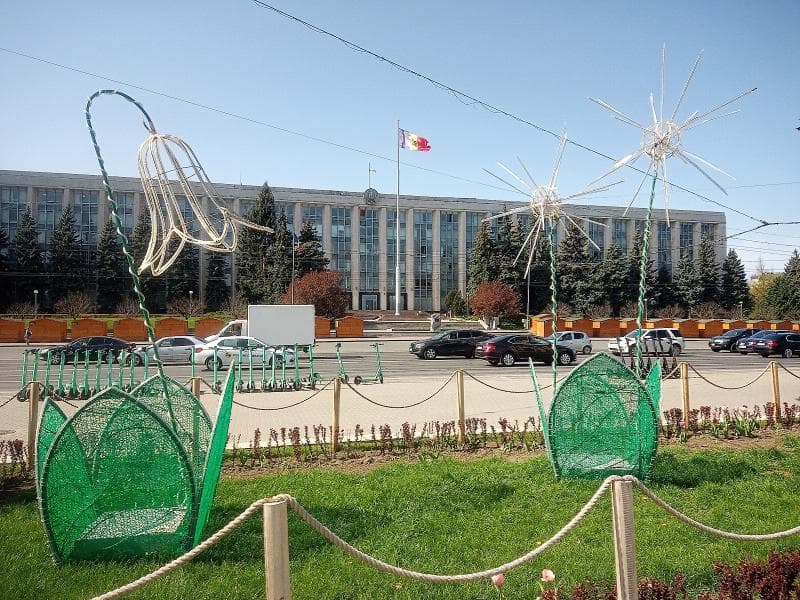
Explore Cathedral Park in Chisinau, Moldova: a serene green oasis featuring the historic Nativity Cathedral and iconic Triumphal Arch.
Overview
Nestled in the heart of Chisinau, Moldova, Cathedral Park, also known as Parcul Catedralei, offers a tranquil green oasis amidst the bustling city. This central park is a beloved spot for both locals and travelers, serving as a peaceful retreat and a significant cultural landmark. Its open lawns, meticulously kept paths, and vibrant flower beds invite leisurely strolls and moments of reflection. The park's charm is deeply intertwined with the magnificent Nativity Cathedral and its iconic bell tower, which stand as its spiritual and architectural focal points, along with the historical Triumphal Arch. It's a place where Chisinau's history, spirituality, and daily life gently converge, providing a serene backdrop for experiencing the city's authentic pulse.
Visitors often spend one to two hours exploring the park and its central cathedral. It is accessible year-round, 24 hours a day, making it a perfect destination for quiet contemplation at any time. The park's calm and tidy atmosphere makes it an ideal location to unwind, people-watch, or capture beautiful photographs, especially during the soft light of early morning or sunset.
History & Cultural Background
The origins of Cathedral Park are inextricably linked with the construction of the Nativity Cathedral (Catedrala Mitropolitană ‘Nașterea Domnului’), which began in the 1830s. Commissioned by Prince Mikhail Semyonovich Vorontsov and Metropolitan Gavril Bănulescu-Bodoni, the cathedral was built between 1830 and 1836. Designed by the renowned architect Abram Melnikov in a distinctive Neoclassical style, it quickly became the main cathedral of the Moldovan Orthodox Church and a central element of Chisinau's urban landscape.
The park itself was established between 1830 and 1840, accompanying the cathedral's development. This architectural ensemble also includes the Triumphal Arch, an imposing structure erected in 1840 or 1841. Designed by architect Luka Zaușchevici, it was built to commemorate the Russian victory in the Russo-Turkish War and, notably, to house a massive bell cast from captured Turkish cannons for the cathedral's bell tower.
Throughout its history, the cathedral and park have witnessed significant historical events. The cathedral suffered damage during World War II, and its original bell tower was controversially demolished by the local Communists in 1962. During the Soviet era, religious worship was prohibited, and the cathedral was repurposed as an exhibition center. However, with Moldova's independence, the cathedral returned to its spiritual function in 1989, undergoing extensive restoration until 1996, with a new bell tower faithfully reconstructed in 1997 or 1998.
What Makes It Special
Cathedral Park is distinguished by its harmonious blend of spiritual grandeur, historical depth, and natural beauty. The Nativity Cathedral, with its elegant Neoclassical design, grand dome, and Doric columns, stands as a stunning architectural masterpiece. Its exterior is marked by a simplicity that belies its significant spiritual importance, often compared to the Lutheran cathedral in Helsinki. Inside, visitors can find beautifully painted icons and a reverent atmosphere conducive to quiet reflection.
The park's location in the city center, adjacent to the Great National Assembly Square, places it at the very heart of Chisinau's civic and spiritual life. The presence of the Triumphal Arch, often referred to as the 'Holy Gates,' adds another layer of historical intrigue and serves as a symbolic entrance to this sacred space. This combination of architectural marvels and serene green expanses creates a unique environment where the past and present coalesce. The park is more than just a place; it's a living narrative of Moldova's journey through various historical epochs.
Stories, Fun Facts & Local Details
One fascinating detail about Cathedral Park concerns the Triumphal Arch. It was initially constructed not just as a monument to victory, but specifically to accommodate an exceptionally large, 6.4-ton bell intended for the cathedral. This giant bell, cast from Turkish cannons, was too large to fit through the bell tower's windows, prompting the creation of the arch as a grand entrance and a functional belfry. The clock mechanism within the arch, originally brought from Odessa in 1842, faced its own challenges, including a hurricane in 1849 that tore off its dial.
Another significant historical event associated with the cathedral is the first radio broadcast in Chisinau. On October 8, 1939, Radio Basarabia officially inaugurated its broadcasts by transmitting the liturgy directly from the Metropolitan Cathedral, marking a new era of communication for the region. This detail highlights the cathedral's role not just as a religious center, but also as a venue for significant cultural and social milestones.
The park is a popular gathering place, particularly for families and couples, leading to it sometimes being playfully referred to as a 'lovers' spot' by locals. Its open design and numerous benches under ancient trees make it perfect for socializing, reading, or simply enjoying the peaceful ambiance, far from the usual tourist crowds.
Visitor Perspective
For visitors to Chisinau, Cathedral Park offers an enriching experience that transcends a typical tourist attraction. It serves as a central hub from which to understand the city's rhythm and heritage. A stroll through the park provides a sense of calm, allowing travelers to absorb the cultural atmosphere and admire the dignified architecture of the Nativity Cathedral. Observing the blend of people – from families enjoying a picnic to individuals lost in thought on a bench – offers a glimpse into Moldovan daily life.
Entering the Nativity Cathedral, visitors are invited to witness the local Orthodox traditions. While exploring the interior, it's customary to dress modestly as a sign of respect for its sacred nature. The cathedral's interior, with its richly painted icons and soft candlelight, provides a profoundly serene and contemplative space.
The park's accessibility and welcoming environment make it an essential first stop for anyone new to Chisinau. It's a place where one can connect with the city's spiritual life and historical resilience. Whether you are an architecture enthusiast, a history buff, or simply seeking a quiet moment, Cathedral Park offers a meaningful connection to the heart and soul of Moldova's capital.
Coordinates: 28.834528, 47.026056
View on Google Maps💬 How Travelers Describe This Place
Based on community votes
Interesting
995Unique
964Must See
926Photogenic
730Beautiful
482
Traveler Stories
Discover memorable experiences shared by travelers who have visited this place.
No traveler stories yet.
Be the first traveler to share what made this place memorable.
Things to see at Cathedral Park



Tour
By
Spot
Discover amazing places around the world. Your journey starts here.
Explore
© 2026 TourBySpot. All rights reserved.