Cathedral Museum
Jakarta, Indonesia
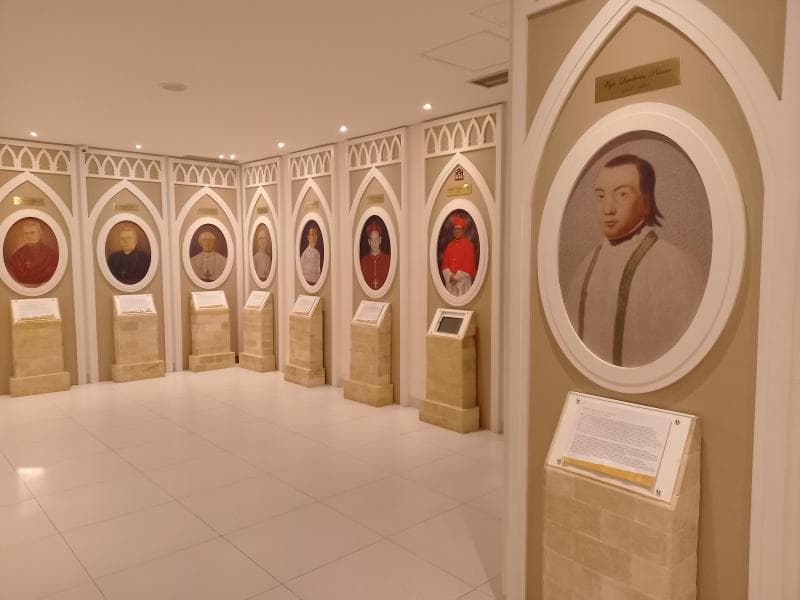
Explore Jakarta Cathedral Museum, located within Jakarta Cathedral, Indonesia. Discover the rich history of Catholicism in Indonesia through unique artifacts and Papal gifts.
Overview
Tucked within the grand complex of Jakarta Cathedral, a magnificent neo-Gothic structure in the heart of Indonesia's bustling capital, lies the insightful Cathedral Museum. This special museum serves as a cultural and historical repository, dedicated to preserving and showcasing the rich journey of Roman Catholicism in Indonesia. It offers visitors a unique window into the spiritual heritage and cultural assimilation of the faith within the archipelago. While the Jakarta Cathedral itself stands as an architectural marvel, the museum provides a deeper narrative, bringing to life the stories and artifacts that have shaped the Catholic community over centuries.
Initially located in the cathedral's triforium or second-floor balcony, the museum has since moved to a dedicated building adjacent to the main cathedral, near its bookstore. This relocation, inaugurated in November 2018, signifies a renewed commitment to its mission of education and preservation. The Cathedral Museum is an essential stop for anyone seeking to understand the intertwining histories of faith, culture, and architecture in Jakarta.
History & Cultural Background
The vision for the Cathedral Museum was conceived by Father Rudolphus Kurris, who served as the head priest of Jakarta Cathedral from 1985 to 1993. His passion for history and the preservation of religious artifacts led to the museum's establishment. It was officially inaugurated on April 28, 1991, by Julius Cardinal Darmaatmadja, marking a significant milestone in documenting the Catholic Church's presence in Indonesia.
The museum's existence is intrinsically linked to the Jakarta Cathedral, which itself boasts a long and fascinating history. The current cathedral, officially known as 'The Church of Our Lady of the Assumption', was consecrated in 1901 after the original structure collapsed. Built in a distinctive neo-Gothic style, common in Europe during that era, the cathedral became a landmark. Its strategic location directly opposite the colossal Istiqlal Mosque is not merely coincidental; it is a powerful symbol of religious tolerance and harmony in Indonesia, a predominantly Muslim nation.
What Makes It Special
What truly sets the Cathedral Museum apart is its diverse and meaningful collection, offering a tangible connection to the past. The museum houses approximately 400 valuable items that illuminate the Catholic Church's history and practices in Indonesia. Visitors can behold relics of Catholic rituals, including ornate silver cups, and the ceremonial hats and robes once worn by Dutch East Indies and Indonesian archbishops and cardinals.
Among its most cherished possessions are gifts from popes, such as a chalice and paten presented by Pope John Paul II during his visit in 1989. The museum also proudly displays a unique statue of the Virgin Mary depicted wearing a kebaya, a traditional Indonesian blouse, beautifully symbolizing the integration of Catholic faith with local culture. Another fascinating piece is a Nativity scene that has been part of the cathedral since its original construction in 1901. Old journals of the Cathedral, baptism records, and historical photographs of the building's construction further enrich the collection, offering an intimate glimpse into the lives of the faithful and the evolution of the institution.
Stories, Fun Facts & Local Details
One of the most captivating elements within the museum is the statue of the Virgin Mary adorned in a kebaya. This artistic representation is a profound testament to how Catholicism in Indonesia has embraced and interwoven with local customs and aesthetics. It stands as a powerful cultural statement, illustrating a beautiful synthesis of faith and identity, unique to the Indonesian context.
The museum's genesis itself is a story of passion and foresight. Father Rudolphus Kurris, recognizing the historical significance of the church's scattered artifacts, spearheaded the initiative to collect and preserve them. His dedication transformed what might have been lost remnants into an organized collection, offering future generations a narrative of their spiritual lineage. The enduring presence of the Nativity scene, dating back to the cathedral's opening in 1901, speaks to the continuous thread of tradition that has been maintained through various historical periods. The museum also contains an unusual painting made from a tree trunk by Kusni Kadut, adding another layer of unique artistry to its diverse exhibits.
Visitor Perspective
Visiting the Cathedral Museum is an enriching experience that goes beyond mere sightseeing. It's an opportunity for quiet reflection and learning, away from the city's hustle. Admission to the museum is free, making it accessible to all who wish to explore its treasures. The museum is generally open Tuesday to Saturday from 10:00 AM to 4:00 PM, and on Sundays from 12:30 PM to 4:00 PM, remaining closed on Mondays.
For a more serene visit, weekdays are often recommended to avoid larger crowds. As it is located within a place of worship, visitors are encouraged to dress modestly and maintain a respectful demeanor. Taking the time to absorb the detailed information accompanying each exhibit provides a deeper understanding of the development of Catholicism in Indonesia. The museum effectively complements a visit to the magnificent Jakarta Cathedral, completing the historical and cultural picture of this significant landmark.
Coordinates: 106.8330555556, -6.1691666667
View on Google Maps💬 How Travelers Describe This Place
Based on community votes
Photogenic
989Must See
791Interesting
613Beautiful
514Unique
207
Traveler Stories
Discover memorable experiences shared by travelers who have visited this place.
No traveler stories yet.
Be the first traveler to share what made this place memorable.

Tour
By
Spot
Discover amazing places around the world. Your journey starts here.
Explore
© 2026 TourBySpot. All rights reserved.