Cathedral interior
Milan, Italy
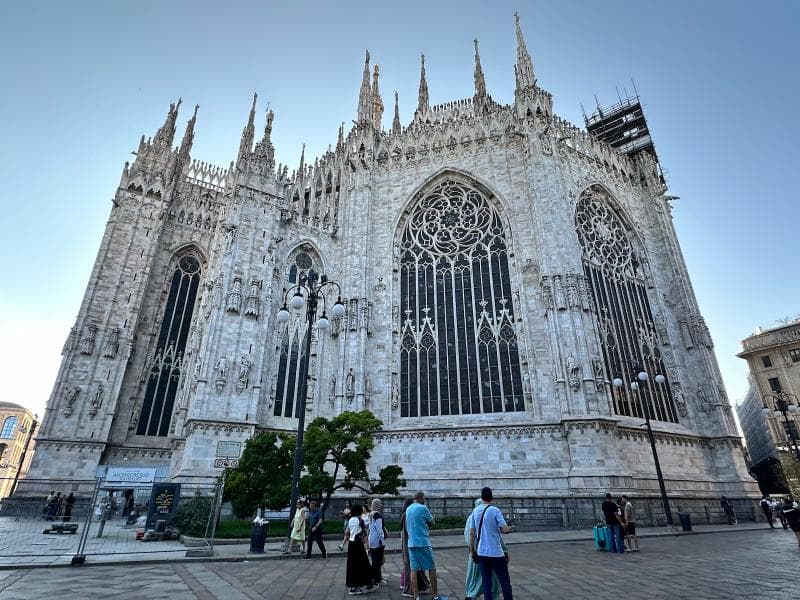
Explore the Duomo di Milano's interior in Milan, Italy, a Gothic masterpiece with stunning stained glass, historic relics, and immense architecture.
Overview
Stepping inside the Duomo di Milano is like entering a 'forest of columns', a breathtaking experience that immediately conveys the sheer scale and grandeur of this iconic Gothic cathedral in Milan, Italy. As one of the largest Catholic cathedrals globally, its interior, a masterpiece of art and architecture, offers a profound sense of awe and spiritual reflection. The vastness of the space is palpable, with soaring vaulted ceilings reaching 45 meters high, supported by 52 massive pillars, each representing a week of the year. The interplay of light filtering through ancient stained-glass windows onto the intricately patterned marble floor creates an ethereal atmosphere that has captivated visitors for centuries.
This magnificent interior is a testament to over six centuries of continuous construction and artistic evolution, blending various styles from Gothic to Renaissance. It is a treasure trove of historical artifacts, detailed sculptures, and sacred relics, each telling a piece of Milan's rich religious and cultural narrative.
History & Cultural Background
The construction of the Duomo di Milano began in 1386, initiated by Archbishop Antonio da Saluzzo and Gian Galeazzo Visconti, who aimed to create a grand cathedral that would symbolize the growing power and prestige of Milan. The project was monumental, employing a dedicated institution known as the 'Veneranda Fabbrica del Duomo', which oversaw countless architects, sculptors, and artisans over the centuries.
Originally, the site was home to the ancient basilicas of Santa Maria Maggiore and Santa Tecla, along with the Baptistery of San Giovanni alle Fonti, the remains of which are still visible in the archaeological area beneath the cathedral. The design was initially given a strong Gothic imprint by French architect Nicolas de Bonaventure in 1389. Over time, successive architects introduced Romanesque and Renaissance elements, resulting in a unique fusion of styles. Key figures like Carlo Borromeo, archbishop from 1564, and Pellegrino Tibaldi in the 16th century, significantly influenced the interior's appearance, bringing elements of the Counter-Reformation and Roman architectural concepts.
The cathedral's construction finally concluded in 1965, making it a living chronicle of architectural innovation and artistic dedication spanning nearly 600 years.
What Makes It Special
The interior of the Duomo di Milano is distinguished by several remarkable features. The 'forest of columns' is perhaps its most striking architectural element, with 40 massive pillars, each approximately 24 meters high and 2.5 meters in diameter, made of solid brick and covered in exquisite Candoglia marble. These pillars support ornate groin vaults, creating an upward-sweeping effect that draws the eye towards the heavens.
The stained-glass windows are another highlight, dating from the 15th to the 19th centuries. They depict vibrant biblical scenes and the lives of saints, transforming sunlight into a dazzling array of colors that illuminate the nave and create an ever-changing spectacle. The oldest windows, from the 15th century, feature Renaissance style, while others in the apse are from the 19th and 20th centuries.
Among the many sculptures, the statue of Saint Bartholomew Flayed by Marco d'Agrate (1562) is particularly striking. It depicts the saint holding his own skin, showcasing an astonishing anatomical precision that continues to fascinate visitors and medical students alike. The Trivulzio Candelabrum, a 12th-century bronze masterpiece nearly 5 meters tall, further showcases the intricate artistry within, narrating Christ's life through detailed relief work.
High above the main altar, marked by a red light, hangs the Sacro Chiodo, or Holy Nail, believed to be one of the nails from Christ's crucifixion. This relic is brought down once a year during the Rite of the Nivola, a unique and ancient ceremony. The cathedral's patterned marble floor, designed by Pellegrino Tibaldi and constructed by Martino Bassi in the 16th century, features spectacular floral motifs created from various colored marbles.
Stories, Fun Facts & Local Details
Mark Twain famously described the Duomo as 'an anthem sung in stone', a poetic tribute to its immense beauty and the sheer effort involved in its creation. One fascinating detail inside is the sundial, or solar meridian line, near the entrance, laid in 1786. At solar noon, a beam of light passes through a small hole in the ceiling and hits the brass line, historically used to regulate the city's clocks.
The continuous construction of the Duomo for nearly six centuries involved 78 different architects at various stages, reflecting the changing artistic and engineering trends across eras. The Candoglia marble used for the cathedral's exterior and many interior elements was transported from quarries via a complex system of canals, specifically constructed for this purpose. Even Leonardo da Vinci participated in designing parts of the tiburium.
Beneath the modern cathedral, the archaeological area provides a glimpse into Milan's deep past, with visible remains of the Christian Baptistery of St. John, the Basilica of Santa Tecla, and a former graveyard, showcasing layers of history dating back to the 4th century.
Visitor Perspective
For many, entering the Duomo's interior is a humbling experience. The transition from the bustling Piazza del Duomo into the serene, often dimly lit, vastness of the cathedral creates an immediate sense of wonder. The sheer scale can be disorienting yet profoundly moving. Visitors are encouraged to take their time, allowing their eyes to adjust and appreciate the intricate details that reveal themselves gradually.
Sitting in one of the pews offers a moment of quiet contemplation, allowing you to absorb the peaceful atmosphere and observe how the light shifts throughout the day, painting the marble and stained glass in different hues. Exploring the various side chapels, each with its unique artistic treasures, provides a deeper connection to the cathedral's spiritual and artistic heritage. Remember to dress respectfully, covering your knees and shoulders, as it remains an active place of worship.
Coordinates: 9.191926, 45.464274
View on Google Maps💬 How Travelers Describe This Place
Based on community votes
Beautiful
980Photogenic
396Unique
389Interesting
340Must See
201
Traveler Stories
Discover memorable experiences shared by travelers who have visited this place.
No traveler stories yet.
Be the first traveler to share what made this place memorable.

Tour
By
Spot
Discover amazing places around the world. Your journey starts here.
Explore
© 2026 TourBySpot. All rights reserved.