Catacombs
Vienna, Austria
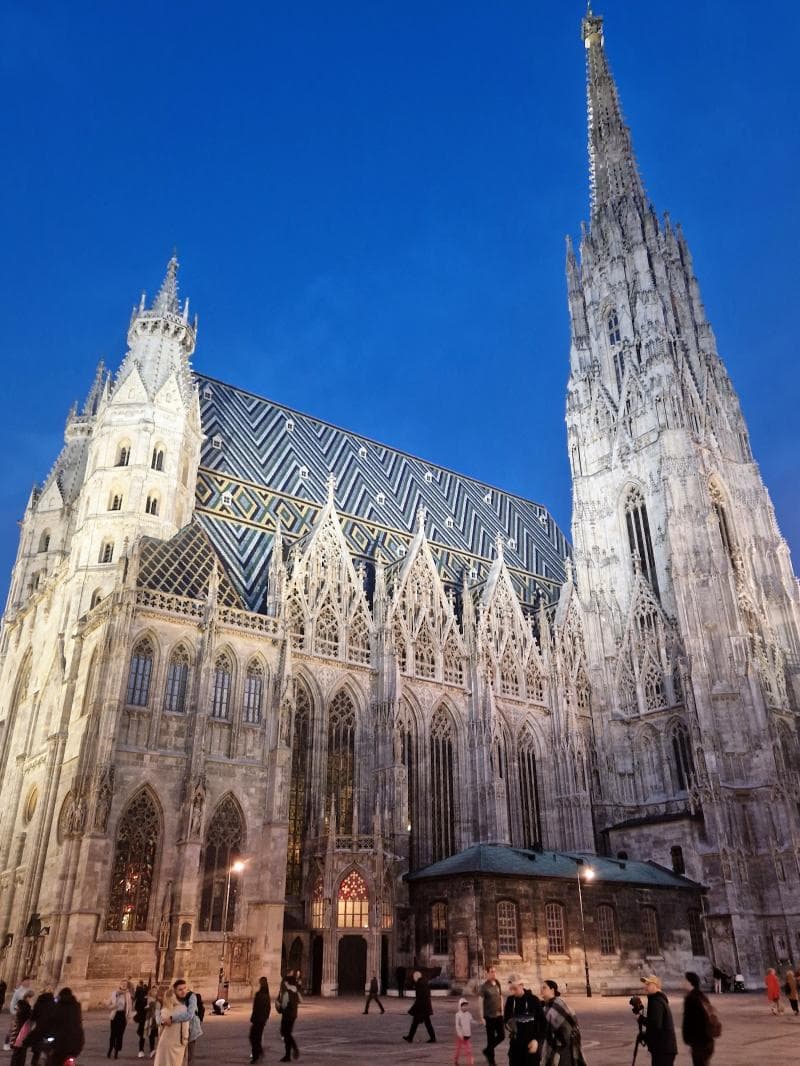
Explore the historic Catacombs beneath St. Stephen's Cathedral in Vienna, Austria. Discover centuries of burials, Habsburg secrets, and Viennese history.
Overview
Deep beneath the majestic St. Stephen's Cathedral, Vienna's iconic landmark, lies a hidden world known as the Catacombs. This extensive underground network of crypts and burial chambers offers a unique and often sobering journey into centuries of Viennese history. Far from merely a collection of bones, the Catacombs reveal the city's complex relationship with death, faith, and its most prominent figures, inviting curious travelers to explore a seldom-seen side of this vibrant capital.
Accessible only through guided tours, visitors descend into a realm that served as the final resting place for thousands of Viennese citizens, ecclesiastical dignitaries, and even members of the revered Habsburg dynasty. The atmosphere shifts from the grandeur of the cathedral above to a quiet, contemplative space, where historical narratives intertwine with the tangible remnants of past lives.
History & Cultural Background
The history of the Catacombs is deeply intertwined with St. Stephen's Cathedral itself, which began construction in the 12th century and largely took its current Gothic form between the 14th and 15th centuries. The ground upon which the cathedral stands was likely an ancient burial site long before the first stones were laid.
For centuries, from 1255 until 1732, a cemetery surrounded the cathedral. However, by the 18th century, with Vienna's population growing and outbreaks like the bubonic plague (1735) taking their toll, space became a critical issue. To address this, the first crypts beneath the upper vestry began to be built around 1718. The official closure of the surrounding cemeteries in 1732 led to an expansion of these underground burial sites, which later gained the more dramatic moniker of 'Catacombs' in the 19th century.
The Catacombs continued to be used for interments until 1783, when Emperor Joseph II enacted a decree prohibiting burials within city limits. This pivotal moment shifted burial practices to new cemeteries outside the city, leaving the Catacombs as a powerful historical record. It is estimated that over 10,000 to 11,000 individuals found their final repose within these subterranean passages.
What Makes It Special
What sets the Catacombs of St. Stephen's apart is their dual nature and the profound historical figures interred within. The network comprises two distinct systems: older crypts situated directly beneath the cathedral and newer sections extending under the adjacent square. The older crypts, somewhat refurbished, house the tombs of Viennese bishops, archbishops, and other clergy, including the Ducal Crypt. This ancient chamber, located under the High Altar, has held the coffins of significant figures like Archduke Rudolf IV, who initiated the Gothic reconstruction of the cathedral, since as early as 1365.
Perhaps most strikingly, the Catacombs also serve as a unique repository for parts of the Habsburg imperial family. While their bodies were largely buried in the Imperial Crypt (Kapuzinergruft) elsewhere in Vienna, urns containing the internal organs – specifically the hearts and intestines – of many high-ranking Habsburgs were interred here, a tradition reflecting complex burial rites.
The sections under the square present a different, more stark reality: a vast ossuary where bones, meticulously stacked from the emptied city cemeteries and from plague victims, line the dark brick walls. This serves as a powerful, albeit somber, testament to Vienna's past epidemics and burial practices.
Stories, Fun Facts & Local Details
The Catacombs are steeped in stories that bring Vienna's past to life. One intriguing detail is the historical issue of a 'cadaverous odor' emanating from the crowded burial chambers, which occasionally led to the cathedral being closed. Imagine parishioners attending services above, while below them, the earth held thousands of souls and the air carried the faint scent of history.
During tours, visitors often learn about the 'bone-cleaners,' prisoners who were tasked with the gruesome job of organizing the bones into neat stacks to make space for more bodies when the catacombs reached capacity. This macabre detail highlights the practicality and sometimes unsettling nature of past burial customs.
Another fascinating aspect is the distinct difference in appearance between the older, more structured crypts and the raw, unadorned sections filled with bones, which offer a glimpse into Vienna's efforts to manage its deceased population throughout the centuries. The Catacombs, while not as vast as some others in Europe, provide a condensed, impactful narrative of a city's growth and its inhabitants' fates.
Visitor Perspective
Visiting the Catacombs offers a truly atmospheric and thought-provoking experience. Access is exclusively via guided tours, typically lasting around 30 minutes. These tours, often available in both German and English, provide essential context and narratives that transform the underground chambers from mere burial sites into living history lessons.
The entrance point for the tour is usually inside the cathedral, where visitors gather by the steps leading down into this subterranean world. It's important to note that photography and videography are generally not permitted, encouraging visitors to fully immerse themselves in the moment and the solemnity of the surroundings. While there are stairs to navigate, which makes the Catacombs not wheelchair-accessible, the journey is manageable for most. The exit often leads out of the cathedral, near its north-eastern corner, allowing a different perspective upon re-emerging into the bustling Stephansplatz.
Exploring the Catacombs is an intimate encounter with Vienna's long and rich past, offering a moment of quiet reflection amidst the vibrant energy of the city above. It's an essential visit for those seeking a deeper understanding of Vienna's historical and cultural tapestry.
Coordinates: 16.373, 48.2085
View on Google Maps💬 How Travelers Describe This Place
Based on community votes
Unique
722Beautiful
698Photogenic
358Must See
126Interesting
19
Traveler Stories
Discover memorable experiences shared by travelers who have visited this place.
No traveler stories yet.
Be the first traveler to share what made this place memorable.

Tour
By
Spot
Discover amazing places around the world. Your journey starts here.
Explore
© 2026 TourBySpot. All rights reserved.