Castle Square
Warsaw, Poland
Discover Castle Square (Plac Zamkowy) in Warsaw, Poland – a historic hub featuring the Royal Castle and Sigismund's Column. Explore its rich history and vibrant culture.
Overview
Castle Square, known locally as Plac Zamkowy, serves as the vibrant southern gateway to Warsaw's UNESCO-listed Old Town. This historic, roughly triangular square is nestled directly in front of the magnificent Royal Castle and is instantly recognizable by the towering Sigismund's Column that stands at its heart. More than just a picturesque landmark, it is a bustling meeting place where both locals and travelers converge, soak in the atmosphere, and begin their exploration of Warsaw's rich history and culture.
As you step onto its cobbled surface, you'll find yourself at the very beginning of the Royal Route, a historic pathway stretching southwards, lined with impressive historical buildings and former royal residences. The square's harmonious architecture, framed by colorful townhouses, creates an inviting tableau, especially vibrant during the summer months.
History & Cultural Background
The story of Castle Square is deeply intertwined with that of Warsaw itself. Initially, the area belonged to the Dukes of Masovia, whose residence was the Royal Castle. The square as we know it today took its present form in 1818, though its historical roots run much deeper.
The Royal Castle, which dominates the eastern side of the square, was the official residence of Polish monarchs from the 16th to the 18th centuries. It became the seat of Polish kings after King Sigismund III Vasa famously moved Poland's capital from Kraków to Warsaw in the late 16th century. Over centuries, this square has been a silent witness to countless pivotal moments in Polish history, from royal celebrations to patriotic demonstrations, including those preceding the January Uprising of 1863.
The square's most poignant historical chapter, however, relates to World War II. Both Castle Square and the Royal Castle suffered catastrophic destruction, particularly in 1939 and during the Warsaw Uprising in 1944, when the castle was bombed and later blown up by German forces. Yet, from the ashes, an extraordinary reconstruction effort emerged. The Old Town, including the Royal Castle and surrounding square, was meticulously rebuilt brick by brick based on preserved plans, historical documentation, and 18th-century paintings by Bernardo Bellotto, known as Canaletto. This monumental undertaking, which continued into the mid-1980s, led to Warsaw Old Town's inscription on the UNESCO World Heritage List in 1980, recognized as a unique example of near-total reconstruction of a historic urban center.
What Makes It Special
At the core of Castle Square stands Sigismund's Column (Kolumna Zygmunta), a truly iconic landmark. Erected in 1644, it commemorates King Sigismund III Vasa and holds the distinction of being the oldest and one of the most symbolic landmarks of the city, as well as the first secular monument in column form in Poland. Its enduring presence, having been damaged and rebuilt, speaks volumes about Warsaw's resilience.
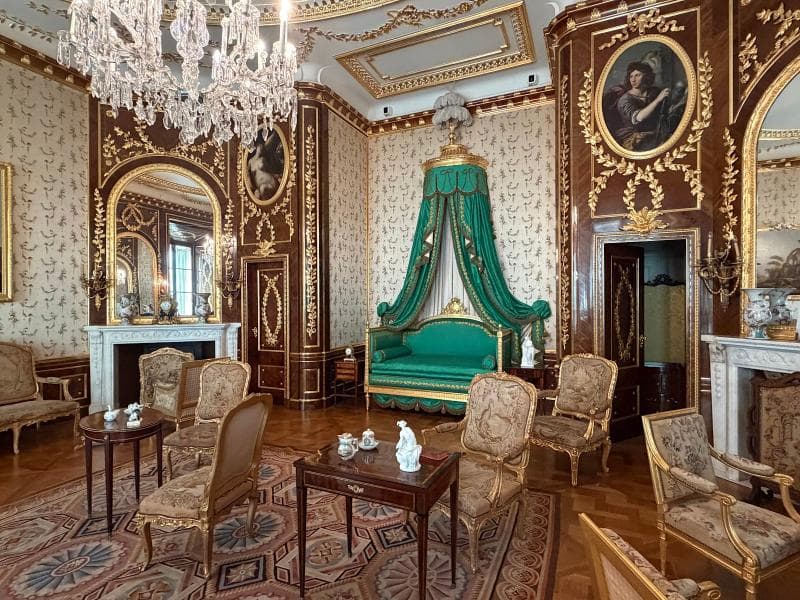
The Royal Castle itself, now a state museum, houses invaluable collections of Polish and European art, offering a deep dive into the nation's royal past. Beyond its historical weight, the square boasts an architectural harmony that captivates visitors. The vibrant facades of the surrounding historic townhouses, alongside the grandeur of the castle, contribute to its undeniable charm. It's a place where history feels alive, combined with a lively modern-day atmosphere, often hosting cultural events and festivals throughout the year.
Stories, Fun Facts & Local Details
One fascinating local legend connected to Sigismund's Column suggests that should the sword held by King Sigismund III Vasa ever fall, a great catastrophe would befall Warsaw. Fortunately, despite its partial destruction in World War II, the column was restored, and the sword remains firmly in place.
Castle Square has also served as a stage for significant international events. In 1997, US President Bill Clinton delivered a speech welcoming Poland into NATO from a balcony of the Royal Castle, and more recently, in 2022, President Joe Biden addressed crowds gathered in the square. Adding to its layers of history, the square itself was once known as the Market Place, hosting markets as early as 1296. Today, 'At Sigismund's' is a popular and easily remembered meeting spot for couples and tour groups alike. Beneath the square, an engineering marvel lies hidden: an underground tunnel carries the Trasa W-Z (East-West Route), a major city thoroughfare, connected to the square by an escalator, seamlessly blending ancient and modern infrastructure.
Visitor Perspective
Castle Square is permanently open to the public, requiring no admission fee, making it an accessible starting point for any Warsaw adventure. Getting there is straightforward, with numerous bus and tram stops conveniently located nearby, or simply by strolling along the picturesque Krakowskie Przedmieście. While the square itself can be explored in about 30 minutes, you'll want to dedicate more time to truly appreciate its surroundings.
From the square, you can easily access the Royal Castle, which now operates as a museum showcasing royal apartments and art collections. For an unforgettable panoramic vista of the Old Town, the Royal Castle, and the Vistula River, consider climbing the bell tower of St. Anne's Church, located just off the square. Surrounding the square are numerous cafes and restaurants, perfect for taking a break, enjoying a meal, or simply people-watching amidst the historic ambiance. Though cobbled and featuring some steps, the square remains largely accessible, welcoming all to experience its profound beauty and history.
Coordinates: 21.01361, 52.2475
View on Google Maps💬 How Travelers Describe This Place
Based on community votes
Must See
639Beautiful
569Interesting
476Photogenic
465Unique
128
Traveler Stories
Discover memorable experiences shared by travelers who have visited this place.
No traveler stories yet.
Be the first traveler to share what made this place memorable.

Tour
By
Spot
Discover amazing places around the world. Your journey starts here.
Explore
© 2026 TourBySpot. All rights reserved.