Castle Gardens
Innsbruck, Austria
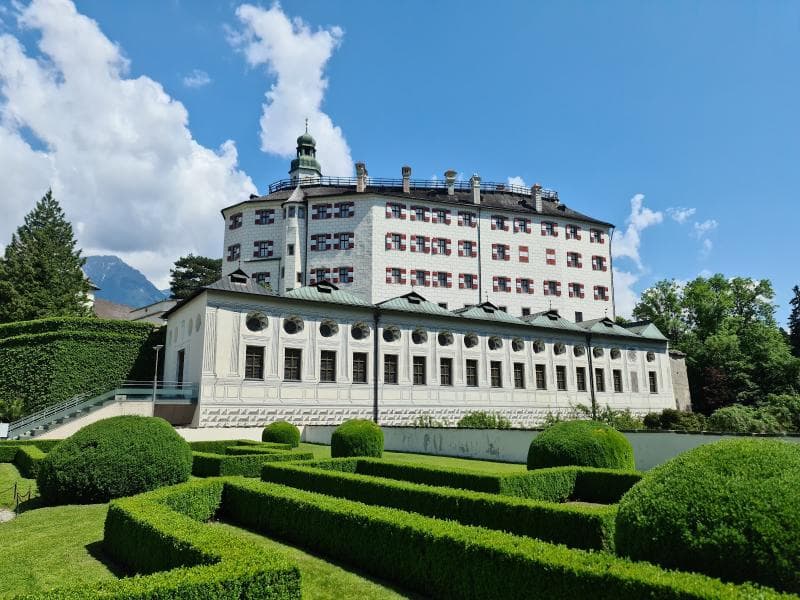
Discover the historic Castle Gardens at Ambras Castle in Innsbruck, Austria. Explore Renaissance landscapes, Philippine Welser's Paradise Garden, and stunning Alpine views.
Overview
Nestled within the magnificent grounds of Ambras Castle in Innsbruck, Austria, lie the enchanting Castle Gardens. More than just a scenic backdrop, these gardens are a living testament to centuries of history, artistry, and natural beauty, offering a serene escape just outside the vibrant city. As you wander through this verdant oasis, you'll discover meticulously maintained landscapes that once served as both a pleasure ground and a practical resource for the castle's royal inhabitants. The Castle Gardens are an integral part of the Ambras Castle experience, providing a peaceful counterpoint to the rich collections housed within the castle walls.
History & Cultural Background
The story of Ambras Castle Gardens is deeply intertwined with Archduke Ferdinand II (1529–1595), the son of Emperor Ferdinand I, who was instrumental in transforming the medieval fortress into a grand Renaissance castle in the 16th century. It was Archduke Ferdinand II himself who designed the initial gardens, creating a sophisticated setting for his elaborate parties and courtly life. By 1574, the entire estate featured an extensive park, serving multiple purposes: a zoological garden, a practical kitchen garden, and an ornamental garden adorned with intricate water features. This original design included diverting a stream to feed waterfalls and pools, creating a dynamic landscape.
A particularly charming element from this era was the 'Keuchengarten,' initially a modern garden square divided into nine beds, with a round pavilion at its center. This area was designed for both beauty and entertainment. The gardens also held personal significance for Archduke Ferdinand's beloved wife, Philippine Welser, a commoner whose marriage to the Archduke caused considerable stir. Philippine, known for her kindness and knowledge of herbal remedies, spent much time in what is now known as the Paradise Garden and Apothecary Garden. Her personal medicinal book, dating from 1560/70 and preserved in the Ambras collections, formed the basis for the healing plants cultivated here. This walled, secluded space, a 'giardino segreto,' was exclusively hers, located conveniently near her personal living quarters.
Over the centuries, the gardens evolved. After Ferdinand II's death in 1595, the Keuchengarten was repurposed as a fruit garden. Later, in the 19th century, under Archduke Karl Ludwig, the western portion of the park was redesigned into an English landscape garden, reflecting changing horticultural tastes. The Keuchengarten even saw the addition of a swimming pool. Its current layout is a testament to careful historical reconstruction, based on a 1649 engraving by Matthäus Merian the Younger.
What Makes It Special
What truly sets Castle Gardens apart is their rich historical layering, showcasing various eras of garden design from the Renaissance to the 19th century, yet always retaining a connection to the original vision of Archduke Ferdinand II. The blend of formal Renaissance elements with later picturesque English landscaping creates a unique tapestry of green spaces. The Paradise Garden and Apothecary Garden, deeply connected to Philippine Welser, offer a fascinating glimpse into historical botany and the personal life of the castle's chatelaine. These areas invite contemplation, bringing to life the era when medicinal plants were central to household well-being and scientific curiosity. The spacious Bacchus Grotto, carved directly into the cliffs, is another distinctive feature, a relic of the castle's festive past where guests once engaged in famous Ambras drinking games. Furthermore, the gardens provide stunning panoramic views of Innsbruck and the surrounding Alpine landscape, making them not just a horticultural marvel but a prime viewpoint.
Stories, Fun Facts & Local Details
The Castle Gardens were not merely decorative; they were a stage for princely life and playful antics. Archduke Ferdinand II was known for his elaborate parties, and the gardens played a crucial role in these festivities. Imagine guests strolling through the meticulously designed grounds, perhaps encountering the deer, waterfowl, and squirrels that still inhabit the park, echoing the zoological garden Ferdinand once cultivated. A fun, albeit slightly mischievous, detail from the castle's history involves water games in the Keuchengarten. Historical accounts describe a special table, powered by water wheels, that would surprisingly splash guests, adding an element of playful unpredictability to garden gatherings. Though this particular contraption is no longer preserved, it speaks to the Archduke's penchant for entertainment. The enduring presence of the Paradise Garden, an intimate space dedicated to Philippine Welser's passion for herbs and healing, adds a touching, personal dimension to the castle's grand history, allowing visitors to walk in the footsteps of a woman ahead of her time.
Visitor Perspective
For the modern traveler, a visit to the Castle Gardens at Ambras Castle is an immersion in history and nature. It's a chance to step away from the bustle and enjoy a leisurely stroll amidst ancient trees and thoughtfully designed flora. The gardens are an open invitation to find hidden corners for quiet reflection, to admire the blend of historical garden art, and to soak in the serene atmosphere. Many visitors appreciate the opportunity to gain stunning views of Innsbruck and the surrounding Tyrolean mountains without the crowds often found at more central viewpoints. The free admission to the large garden areas also makes it an accessible and rewarding part of any visit to Ambras Castle. Whether you're interested in horticultural history, seeking a tranquil spot for contemplation, or simply wish to enjoy beautiful scenery, the Castle Gardens provide a memorable and enriching experience. Dogs are generally welcome in the castle grounds, provided they are kept on a leash, allowing for a delightful outing with canine companions.
Coordinates: 11.43472, 47.25667
View on Google Maps💬 How Travelers Describe This Place
Based on community votes
Interesting
958Beautiful
743Unique
719Photogenic
382Must See
176
Traveler Stories
Discover memorable experiences shared by travelers who have visited this place.
No traveler stories yet.
Be the first traveler to share what made this place memorable.

Tour
By
Spot
Discover amazing places around the world. Your journey starts here.
Explore
© 2026 TourBySpot. All rights reserved.