Cardinal Scipione Apartments
Rome, Italy
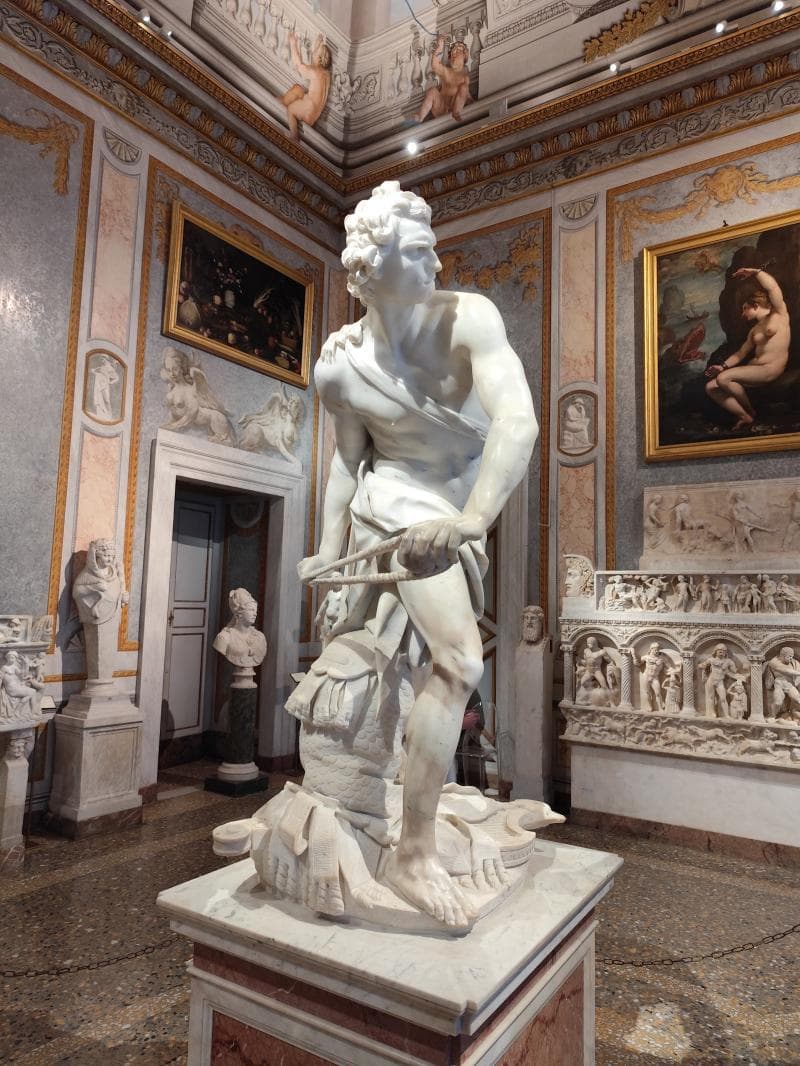
Explore the Cardinal Scipione Apartments within Rome's Borghese Gallery, a 17th-century villa showcasing Cardinal Scipione Borghese's legendary art collection.
Overview
The Borghese Gallery in Rome, Italy, stands as a testament to the extravagant tastes and formidable influence of its original patron, Cardinal Scipione Borghese. What is now a world-renowned museum was once the private villa and 'apartments' of the Cardinal, designed specifically to house his extensive and celebrated art collection. Stepping into the Borghese Gallery today offers a unique glimpse into the opulence of 17th-century Roman aristocracy and the personal collecting habits of one of history's most significant art patrons. It is an intimate setting where art and architecture merge, providing a profound experience for any traveler.
History & Cultural Background
Cardinal Scipione Borghese, born Scipione Caffarelli in 1577, rose to immense power and wealth as the nephew of Pope Paul V, who adopted him and made him a cardinal in 1605. This practice, known as nepotism, was common at the time and granted Scipione an unparalleled position within the Vatican government, overseeing both internal and external political and financial affairs. With his vast income, which reached approximately 140,000 scudi by 1612, he became one of the wealthiest men of his era. His true passion, however, lay in art. Between 1606 and 1619, Scipione commissioned the construction of the Villa Borghese (now the Borghese Gallery) as a 'villa suburbana' – a country villa on the outskirts of Rome – to serve as a showcase for his rapidly growing collection of paintings, sculptures, and antiquities.
Scipione Borghese was a pivotal figure in the Baroque art movement, famously becoming a major patron of young Gian Lorenzo Bernini and an avid collector of Caravaggio's works. His vision for the villa was to create a space that rivaled ancient Roman grandeur, blending classical and contemporary art. The original core of the collection was assembled through purchases, donations, and even confiscations, such as the 107 paintings taken from Giuseppe Cesari, known as Cavaliere D'Arpino, in 1607, which included early works by Caravaggio. His influence on the art world of his time was profound, helping to shape the aesthetic of the Roman Baroque.
What Makes It Special
What truly sets the Borghese Gallery apart is its intrinsic connection to its founder, Cardinal Scipione Borghese, and the fact that it was conceived as a private residence integrated with an art gallery. The villa's design, initially by Flaminio Ponzio and completed by Giovanni Vasanzio, was based on Scipione's own sketches, reflecting his desire for harmony between art and architecture. The layout, with its large, airy rooms and abundant natural light, was meticulously planned to enhance the viewing of the artworks.
The collection itself is extraordinary, featuring some of the most significant masterpieces of the Italian Renaissance and Baroque periods. Visitors are treated to an unparalleled array of Bernini's sculptures, many of which were commissioned specifically for the villa, including 'Apollo and Daphne', 'The Rape of Proserpina', and 'David'. The gallery also boasts a substantial collection of Caravaggio's paintings, such as 'Boy with a Basket of Fruit' and 'David with the Head of Goliath', showcasing his dramatic chiaroscuro technique. Other prominent artists represented include Raphael, Titian, and Canova, whose 'Pauline Bonaparte as Venus Victrix' is another highlight.
Stories, Fun Facts & Local Details
Cardinal Scipione Borghese was a colorful and complex character. While he was a discerning art collector, his methods for acquiring art were not always above board. He was known to use his considerable power and influence, even resorting to coercion or confiscation, to obtain desired pieces. For example, Raphael's 'Deposition' was illegally removed from a chapel in Perugia and assigned to the Cardinal by papal decree. He was also a patron with a penchant for spectacle. It is said he kept a prized statue, the 'Hermaphrodite', in a special wooden cupboard, which he would theatrically unveil to amuse his close friends.
The Villa Borghese was not just a gallery but also a lavish party house where Scipione entertained noblemen and artists, using his collection as a grand backdrop. His ambition was not merely to collect, but to create a private world of beauty and intellectual stimulation. His enthusiastic support of Bernini, in particular, was instrumental in the young sculptor's career, leading to some of the most iconic Baroque sculptures ever created, many of which remain in the gallery as originally intended.
Visitor Perspective
Visiting the Borghese Gallery today is an immersive journey into the world of Cardinal Scipione Borghese. Unlike many larger museums, the gallery maintains an intimate atmosphere, allowing visitors to feel as though they are guests in a grand private residence. The way the artworks are displayed, often in the very rooms for which they were created, provides a powerful sense of context and historical authenticity. The limited entry slots and timed visits contribute to a less crowded experience, enabling a more personal connection with the masterpieces. As you wander through the frescoed rooms, you can almost sense the presence of the Cardinal, imagining him strolling amongst his cherished possessions, admiring the art he so passionately collected and commissioned. The experience is not just about observing art, but about understanding the vision and legacy of a remarkable individual who shaped Rome's artistic landscape.
Coordinates: 12.4885, 41.9084
View on Google Maps💬 How Travelers Describe This Place
Based on community votes
Must See
839Interesting
445Photogenic
416Beautiful
289Unique
141
Traveler Stories
Discover memorable experiences shared by travelers who have visited this place.
No traveler stories yet.
Be the first traveler to share what made this place memorable.

Tour
By
Spot
Discover amazing places around the world. Your journey starts here.
Explore
© 2026 TourBySpot. All rights reserved.