Caravaggio Rooms
Rome, Italy
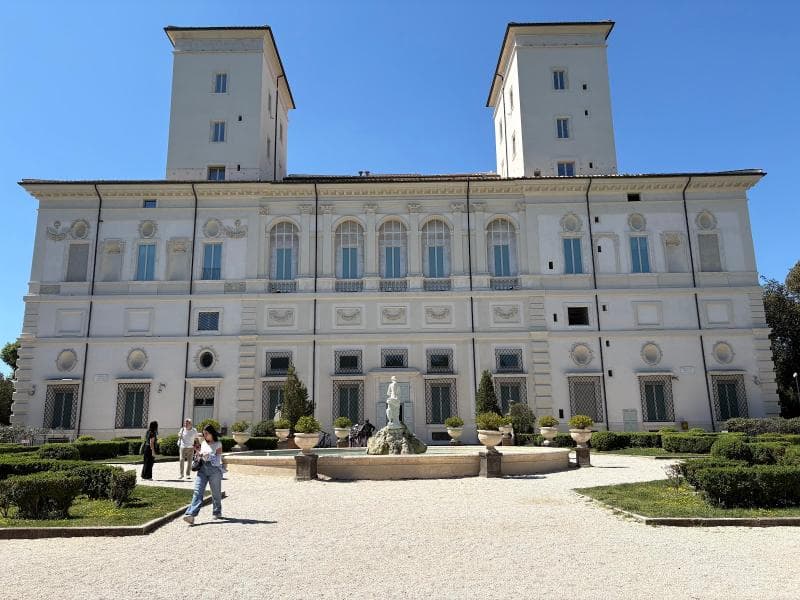
Discover Caravaggio's masterpieces at the Borghese Gallery in Rome, Italy. Immerse yourself in his dramatic chiaroscuro and intense realism.
Overview
Deep within the exquisite Borghese Gallery in Rome, Italy, lies a captivating collection of masterpieces by one of art history's most revolutionary figures: Michelangelo Merisi da Caravaggio. The 'Caravaggio Rooms', though not a formally distinct section, refer to the areas within the gallery where his powerful canvases are displayed, offering visitors an unparalleled opportunity to immerse themselves in the artist's dramatic world. This private villa, once the opulent residence of Cardinal Scipione Borghese, houses the largest and most significant collection of Caravaggio's works in the world, making it an indispensable pilgrimage for any admirer of Baroque art and the artist's unique genius. Here, the raw emotion, intense realism, and groundbreaking use of light and shadow that define Caravaggio's style are brought to vivid life, providing an intimate encounter with his artistry.
History & Cultural Background
The story of Caravaggio's presence at the Borghese Gallery is inextricably linked to its founder, Cardinal Scipione Borghese (1577-1633). As the nephew of Pope Paul V, Scipione was a powerful and ambitious figure, and an insatiable art collector who amassed an unrivaled private collection during the 17th century. He was an early and ardent admirer of Caravaggio's radical style, recognizing the artist's profound impact on the art world. Caravaggio arrived in Rome around 1592, a young artist seeking to make his mark. His early years saw him develop the distinctive naturalism and chiaroscuro technique that would later become his hallmark, depicting sacred subjects with an unprecedented realism, often using ordinary people as models. Scipione Borghese's acquisition methods were sometimes controversial, even involving the confiscation of works and pressure on artists to secure their creations for his collection. This aggressive patronage ensured that many of Caravaggio's crucial early and later works found a permanent home in the villa, cementing the gallery's status as a treasure trove of his art.
What Makes It Special
The Borghese Gallery boasts an astonishing six paintings by Caravaggio, a concentration unmatched by any other museum globally. What makes these works particularly special is their demonstration of Caravaggio's revolutionary approach to painting. He broke away from the idealized figures of the Renaissance, choosing instead to depict subjects with unflinching honesty and psychological depth. His mastery of chiaroscuro—the dramatic interplay of light and darkness—is on full display, creating intense theatricality and drawing the viewer directly into the scene. Key works such as 'Boy with a Basket of Fruit' (c. 1593-1594) showcase his early skill in still life and capturing youthful vitality. 'Saint Jerome Writing' exemplifies his ability to render profound contemplation with stark simplicity. Perhaps most impactful is 'David with the Head of Goliath' (1610), a deeply personal work that speaks volumes about the artist's inner turmoil and offers a powerful narrative. The intimate scale of the gallery allows for a close, reflective engagement with these masterpieces, unlike the vast, often overwhelming spaces of larger institutions.
Stories, Fun Facts & Local Details
Caravaggio's life was as dramatic as his art, and the paintings at the Borghese Gallery often reflect his personal narrative. One of the most compelling details lies within 'David with the Head of Goliath'. The severed head of Goliath is widely believed to be a self-portrait of Caravaggio himself, a haunting confession and possibly an appeal for clemency following his exile for murder. This powerful gesture transforms the biblical scene into a deeply personal introspection on guilt and redemption. Another fascinating piece, 'Sick Bacchus' (c. 1593), is also thought to be an early self-portrait, painted during a period when Caravaggio was seriously ill with malaria in Rome. This work captures a raw vulnerability, blurring the lines between artist and subject. Scipione Borghese's relentless pursuit of art is legendary; it is said that he would go to extreme lengths, including seizing paintings, to expand his collection. In a desperate attempt to secure a papal pardon for his crimes, Caravaggio famously sent several paintings, including a 'Saint John the Baptist', to Cardinal Borghese in Rome, hoping to curry favor for his return.
Visitor Perspective
Visiting the Caravaggio Rooms at the Borghese Gallery is an experience that transcends mere viewing; it's an immersive journey into the heart of Baroque drama. The gallery's careful lighting and arrangement allow each painting's inner glow to emerge, enhancing the impact of Caravaggio's chiaroscuro. Travelers often find themselves drawn into the intense gaze of his subjects and the palpable emotions he depicts. It's an environment that encourages slow contemplation rather than hurried appreciation. Taking the time to absorb the nuances of each brushstroke and the stories they tell is highly rewarding. Many visitors recommend allowing ample time, not only for Caravaggio's works but also to appreciate the context provided by the surrounding masterpieces by Bernini, Canova, and other masters, all housed within the stunning setting of the Villa Borghese gardens, providing a moment of tranquility after the artistic intensity.
Coordinates: 12.4922, 41.9142
View on Google Maps💬 How Travelers Describe This Place
Based on community votes
Beautiful
995Interesting
839Must See
603Unique
388Photogenic
289
Traveler Stories
Discover memorable experiences shared by travelers who have visited this place.
No traveler stories yet.
Be the first traveler to share what made this place memorable.

Tour
By
Spot
Discover amazing places around the world. Your journey starts here.
Explore
© 2026 TourBySpot. All rights reserved.