Canyon Viewpoints
Skopje, North Macedonia
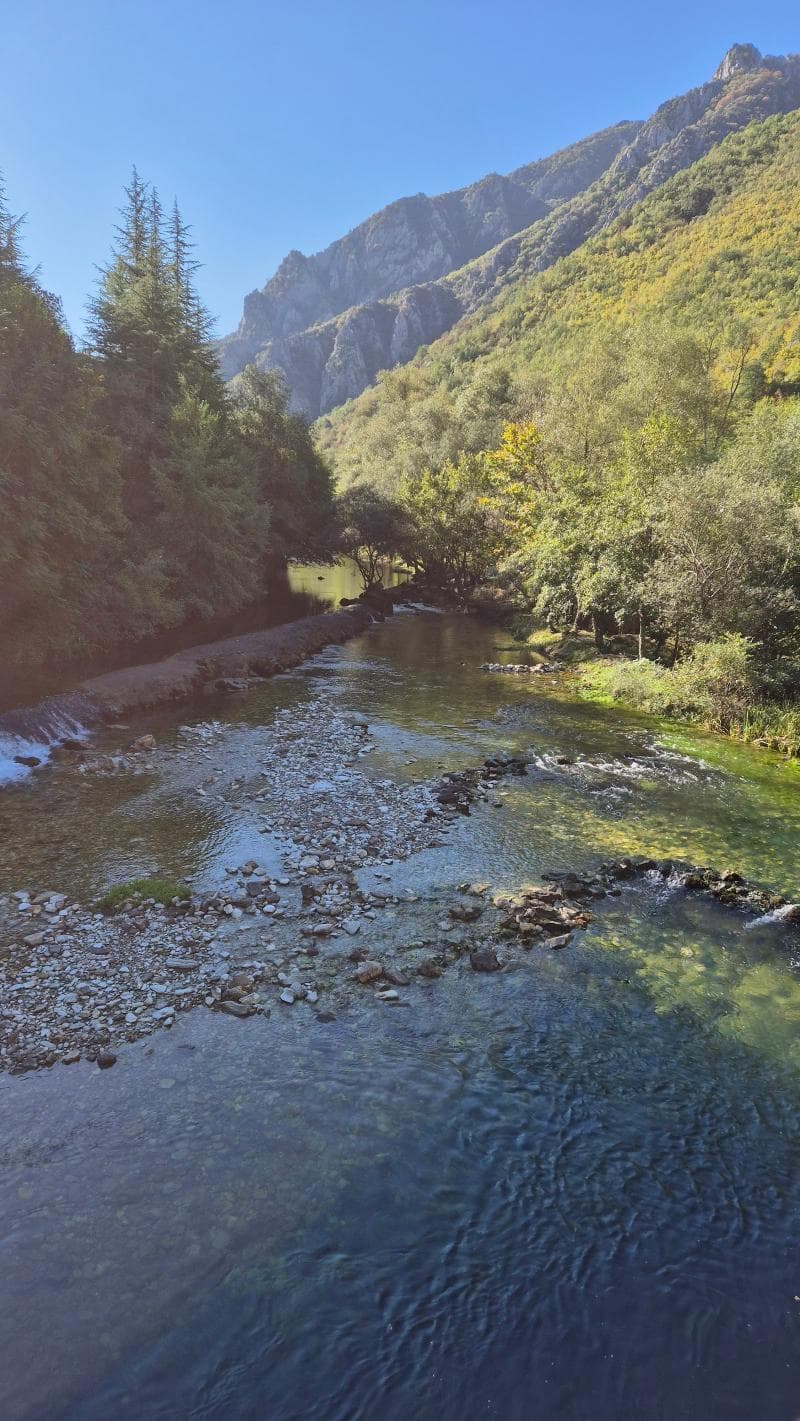
Discover the breathtaking Canyon Viewpoints of Matka Canyon in Skopje, North Macedonia, offering stunning panoramas, ancient monasteries, and unique biodiversity.
Overview
Perched just a short drive southwest of Skopje, North Macedonia, the Canyon Viewpoints of Matka Canyon offer a spectacular escape into nature's embrace. This dramatic gorge, carved by the Treska River, reveals a landscape of towering limestone cliffs, a serene artificial lake, and a rich tapestry of history and biodiversity. Covering approximately 5,000 hectares, Matka Canyon is not only a natural wonder but also a prominent destination for outdoor enthusiasts and those seeking tranquility away from the bustling city. The viewpoints provide breathtaking panoramas, allowing visitors to appreciate the canyon's immense scale and unique beauty, where the turquoise waters of the lake wind through ancient geological formations.
History & Cultural Background
Matka Canyon's history is deeply intertwined with both natural processes and human intervention. The canyon itself was sculpted over millions of years by the Treska River, eroding ancient Precambrian and Cambrian marble and limestone formations, some of the oldest rock layers in the Balkans. While the geological formations are ancient, the picturesque Matka Lake, central to many viewpoints, is actually the oldest artificial lake in North Macedonia, created in 1938 with the construction of a dam on the Treska River.
Beyond its natural splendor, Matka Canyon is a significant cultural and historical site, often referred to as a 'small Mount Athos' due to its numerous medieval monasteries and churches. Among these are St. Andrew's Monastery, founded around 1388, and St. Nicholas Shishevski Monastery, which offers unique views high above the canyon. Remnants of ancient settlements and fortifications also dot the landscape, indicating continuous habitation from prehistoric times through Roman and Byzantine periods to the present day.
What Makes It Special
The Canyon Viewpoints of Matka offer a unique blend of accessibility and dramatic wilderness. What makes them truly special is the harmonious juxtaposition of rugged natural beauty with centuries of human heritage. From elevated positions along the hiking trails, visitors can gaze down upon the narrow gorge, the glistening lake, and the ancient monasteries nestled into the cliffs or along the water's edge.
The canyon is also a biodiversity hotspot, home to approximately 20% endemic plant species – flora found nowhere else in the world. It boasts 77 indigenous species of butterflies and is a habitat for various animals, including bats in its many caves. This ecological richness adds another layer of wonder to the panoramic views, knowing that a vibrant, unique ecosystem thrives within this dramatic landscape.
Stories, Fun Facts & Local Details
One of the most intriguing natural features visible from various viewpoints within Matka Canyon is the Vrelo Cave, which has been listed among the top 77 natural sites in the world. While its exact depth remains unexplored, it is believed to be one of the deepest underwater caves in Europe, possibly even the world, plunging over 200 meters into the earth.
Local lore also surrounds the construction of the Matka Dam in the 1930s. Miladin Pećinar, the project's conceptual author, designer, and supervisor, was said to have stood atop the completed dam and declared, 'If the dam goes, let the man who designed it go with it!' The dam has since proven its resilience, notably saving Skopje from significant flooding during major events in 1962 and 1979.
Visitor Perspective
For visitors, exploring the Canyon Viewpoints of Matka is an immersive experience. Numerous trails cater to different fitness levels, from easy lakeside walks to more challenging ascents that reward hikers with expansive, elevated vistas of the entire canyon and the surrounding mountainous terrain. The ‘Canyon Rim Trail’, for instance, ascends to viewpoints offering stunning photo opportunities. While some sections of trails may be steep or rugged, handrails have been installed in places to aid in navigation, making these spectacular views accessible. Whether observed from a hiking trail high above, from a boat gliding across the lake, or from the courtyards of the historic monasteries, the viewpoints offer moments of profound connection with both nature and history.
Coordinates: 21.29935, 41.95023
View on Google Maps💬 How Travelers Describe This Place
Based on community votes
Unique
639Interesting
526Must See
421Beautiful
366Photogenic
181
Traveler Stories
Discover memorable experiences shared by travelers who have visited this place.
No traveler stories yet.
Be the first traveler to share what made this place memorable.

Tour
By
Spot
Discover amazing places around the world. Your journey starts here.
Explore
© 2026 TourBySpot. All rights reserved.