Cannon Platform
Sarajevo, Bosnia and Herzegovina
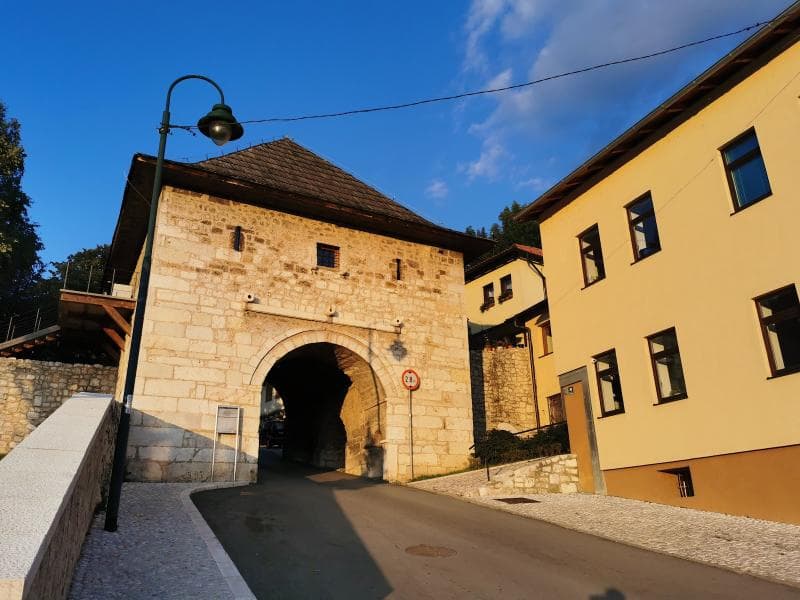
Discover the Cannon Platform at Yellow Fortress in Sarajevo, Bosnia and Herzegovina. Explore its history, panoramic views, and the unique Ramadan cannon firing tradition.
Overview
Perched majestically on Jekovac Cliff, the Cannon Platform within Sarajevo's Yellow Fortress, locally known as Žuta Tabija, offers a compelling experience. This historic cannon fortress stands proudly at the entrance to the 'Walled City of Vratnik', providing visitors with breathtaking panoramic views of the vibrant city of Sarajevo, Bosnia and Herzegovina. It's a cherished gathering place for both locals and travelers seeking to absorb the city's unique ambiance, particularly at sunset.
History & Cultural Background
The Yellow Fortress was constructed between 1727 and 1739 as a crucial component of Sarajevo's defensive walls. Its creation was spurred by the devastating raid of Prince Eugene of Savoy in 1697, highlighting the city's need for stronger fortifications. Commissioned by the Bosnian governor Gazi Ahmed-pasha Rustempašić Skopljak, the fortress played a significant role, notably serving as a key defense point against Austro-Hungarian troops in 1878. The fortress earned its name, 'Žuta Tabija' (Yellow Fortress), from the distinctive yellow stone used in its construction, which glows with a warm hue, especially during sunrise and sunset. Though damaged and rebuilt several times throughout its history, with the most recent renovation occurring in 1998, its cultural significance has only deepened over time.
What Makes It Special
The Cannon Platform is celebrated for its unparalleled panoramic vistas. From this elevated vantage point, visitors can marvel at Sarajevo's red-tiled roofs, the meandering Miljacka River, the city's numerous minarets, the grand City Hall, and the majestic Dinaric Alps in the distance. However, its most distinctive feature is the centuries-old tradition of firing a ceremonial cannon at sunset during the holy month of Ramadan. This resounding boom signals the end of the daily fast, known as iftar, and draws crowds of families and friends who gather on the fortress grounds to share this meaningful moment. Often affectionately dubbed 'Sarajevo's balcony,' the Yellow Fortress offers an experience that uniquely blends historical grandeur with vibrant cultural life.
Stories, Fun Facts & Local Details
For many locals, particularly those from the Vratnik neighborhood, the Yellow Fortress is simply referred to as 'The Cannon.' This simple moniker underscores the profound connection between the place and its cherished Ramadan ritual. The tradition of cannon firing, though temporarily banned during the Yugoslav era, was joyfully revived in the 1990s, becoming a beloved part of Sarajevo's identity. Beyond Ramadan, the fortress is considered one of the city's most romantic spots, a popular destination for first dates and proposals, offering a quiet, picturesque setting for picnics and contemplation. A small kiosk within the fortress walls provides an opportunity to enjoy traditional Bosnian coffee, refreshing boza, ice cream, and pastries, enhancing the visitor's experience. The climb to the fortress from the old town, while steep, is often described as a rewarding part of the journey, offering glimpses of the historic alleys and local life.
Visitor Perspective
Visiting the Cannon Platform at Yellow Fortress is an open and free experience. For the most dramatic views and to witness the iconic cannon firing during Ramadan, planning your visit for late afternoon or sunset is highly recommended. While the atmosphere can be lively and crowded, especially during these times, the spacious platform ensures ample room for everyone to enjoy the spectacle. Comfortable shoes are advisable due to the uphill walk from the city center. A morning visit offers a quieter perspective with equally stunning vistas. Near the fortress, the Kovači cemetery serves as a poignant and important stop, offering a moment of reflection on Sarajevo's recent history.
Coordinates: 18.437741, 43.86148
View on Google Maps💬 How Travelers Describe This Place
Based on community votes
Must See
767Photogenic
594Beautiful
516Interesting
301Unique
82
Traveler Stories
Discover memorable experiences shared by travelers who have visited this place.
No traveler stories yet.
Be the first traveler to share what made this place memorable.

Tour
By
Spot
Discover amazing places around the world. Your journey starts here.
Explore
© 2026 TourBySpot. All rights reserved.