Canal
Munich, Germany
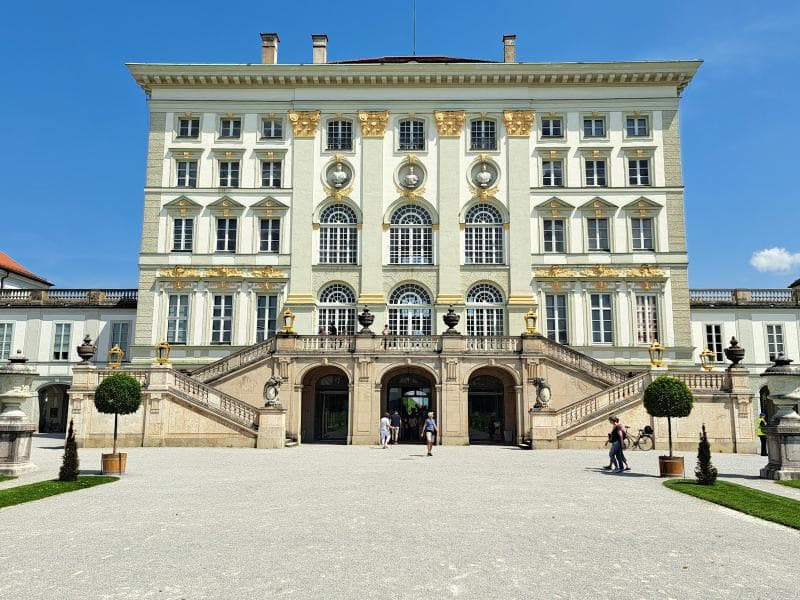
Explore the Nymphenburg Canal at Nymphenburg Palace in Munich, Germany. Discover its Baroque history, serene beauty, and year-round activities.
Overview
The Canal at Nymphenburg Palace in Munich, Germany, is a majestic waterway forming a central element of one of Europe's most significant Baroque palace and garden ensembles. This impressive canal system enhances the grandeur of the Nymphenburg Palace, serving both aesthetic and functional purposes within the expansive park. It is recognized for its picturesque beauty, reflecting the palace in its glittering waters during warmer months and transforming into a popular ice-skating destination in winter. Stretching approximately two kilometers, the canal is one of the longest water axes in any European palace complex. It begins at the palace forecourt on the eastern side, extends through the palace park, and culminates in a rectangular water basin to the west.
The Nymphenburg Canal is comprised of two primary sections: the Pasing-Nymphenburg Canal, which channels water from the Würm river to the palace park, and the Schlosskanal (Palace Canal), which runs eastward from the palace. Its symmetrical shores border lush green spaces, providing visitors with sweeping views of the Baroque landscape design. The canal is not merely a decorative feature; it is an integral part of the park's overall design, contributing to its status as a masterpiece of garden art.
History & Cultural Background
The origins of the Nymphenburg Palace and its canal system trace back to the late 17th century. The palace itself was commissioned by Elector Ferdinand Maria and Henriette Adelaide of Savoy in 1664 to celebrate the birth of their son and heir, Maximilian II Emanuel. It was under Elector Max Emanuel, from 1701 onwards, that the palace underwent significant enlargement, the gardens were reshaped, and the crucial canal was dug to divert water from the Würm river to the park.
This ambitious construction was part of a larger plan to equip the palace grounds with advanced water systems, reflecting the prevailing Baroque garden design principles. French landscape architect Dominique Girard, a student of André Le Nôtre (who designed the Gardens of Versailles), played a key role in the park's design, often in collaboration with Joseph Effner. The canal became a central axial feature, dividing the extensive park and allowing for symmetrically arranged park palaces and avenues. The Nymphenburg canals are part of a unique northern Munich channel system that historically connected palaces like Schleißheim and Dachau. While the park initially adhered to a strict Baroque style, it evolved into a Romantic landscape park in the early 19th century under Friedrich Ludwig von Sckell, though the central canal and Grand Cascade retained their Baroque essence.
What Makes It Special
The Nymphenburg Canal's distinctive charm lies in its dual nature and its seamless integration into both the formal and naturalistic elements of the palace park. Its sheer length, about two kilometers, makes it a dominant landscape feature. The canal's symmetrically designed banks offer an elegant approach to the palace, creating a breathtaking visual axis, particularly when the palace's facade is mirrored in the water.
What truly sets the Nymphenburg Canal apart is its dynamic seasonal transformation. During the warmer months, visitors can enjoy serene gondola rides, a centuries-old tradition that evokes Venetian romance. Conversely, in the depths of winter, when temperatures drop, the shallow canal freezes over, becoming a beloved natural ice surface for ice skating, curling, and even ice hockey for locals and visitors alike. This seasonal adaptability, from a shimmering summer waterway to a bustling winter playground, makes the canal a vibrant focal point of Munich's recreational life, offering a unique blend of historical grandeur and contemporary leisure.
Stories, Fun Facts & Local Details
The Nymphenburg Canal has a rich tapestry of stories woven into its waters. A particularly fascinating detail is the historical tradition of gondola rides, introduced by Elector Max Emanuel, who owned a flotilla of around 80 gondolas and magnificent boats. He even brought Venetian gondoliers to Munich, establishing a touch of Venetian luxury in Bavaria. These historical gondola trips, which began in 1703, continued for nearly 150 years until 1850, when King Ludwig I ended them. During the Baroque era, traveling on the canal was considered a great pleasure, with not only gondolas but also a 'Great Machine'—a large raft, wide as the canal, where 40 to 60 people could dine and dance, pulled by horses or oxen.
Today, this tradition has been revived, and visitors can still experience a romantic gondola ride, often piloted by father and son gondoliers who are keeping this unique heritage alive. The canal also serves as a vital habitat, home to numerous ducks and graceful swans, adding to its idyllic charm. The local community deeply cherishes the canal; beyond the gondola rides, its banks are popular for leisurely walks and short breaks, and in winter, the frozen surface transforms into Munich's largest curling rink and a popular spot for ice skating, reflecting its continuous importance in daily life.
Visitor Perspective
For any curious traveler, exploring the Nymphenburg Canal offers a multifaceted experience, blending historical immersion with tranquil natural beauty. Walking along its maintained shores provides a continuous and peaceful experience, connecting various green spaces within the expansive palace park. The flat terrain makes it easily accessible for strolls, offering numerous quiet corners and benches to relax under the shade of trees, perfect for observing the serene reflections on the water or the resident waterfowl.
A gondola ride on the central canal provides a unique perspective, allowing visitors to appreciate the palace and its surroundings from the water, reminiscent of the royal court's pleasure cruises. These rides are typically available from spring to mid-October. In winter, the frozen canal transforms into a vibrant hub of activity, inviting visitors to partake in ice skating, a cherished local pastime, with signs indicating safe ice conditions. Whether seeking historical insight, a romantic escape, or an active outdoor experience, the Nymphenburg Canal acts as a serene and captivating retreat from the bustling city, inviting all to connect with a piece of Munich's royal past and present.
Coordinates: 11.5036, 48.1581
View on Google Maps💬 How Travelers Describe This Place
Based on community votes
Photogenic
995Beautiful
989Must See
613Interesting
603Unique
581
Traveler Stories
Discover memorable experiences shared by travelers who have visited this place.
No traveler stories yet.
Be the first traveler to share what made this place memorable.

Tour
By
Spot
Discover amazing places around the world. Your journey starts here.
Explore
© 2026 TourBySpot. All rights reserved.