Canal Cruises
Amsterdam, Netherlands
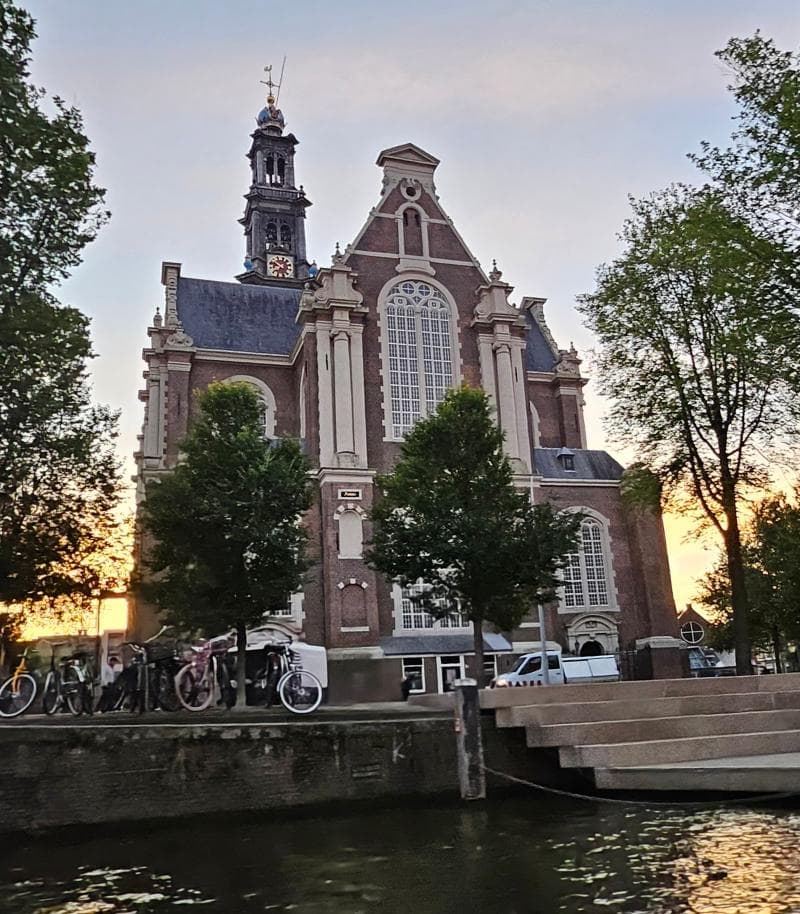
Discover Amsterdam's iconic Canal Ring with a memorable canal cruise. Explore 17th-century architecture, UNESCO heritage, and unique local stories from the water.
Overview
Embarking on a canal cruise through Amsterdam's historic waterways offers an unparalleled perspective of this captivating city. The Amsterdam Canal Ring, locally known as the 'Grachtengordel,' is a UNESCO World Heritage Site and a true testament to 17th-century urban planning. With over 100 kilometers of canals, approximately 90 islands, and more than 1,200 bridges, the city's aquatic network is a bustling and beautiful artery. A canal cruise provides a unique vantage point to admire the elegant canal houses, picturesque bridges, and vibrant life that unfolds along the water's edge, making it one of Amsterdam's most popular attractions.
History & Cultural Background
Amsterdam's canal system traces its origins back to the 13th century when the city began as a small settlement along the Amstel River. The comprehensive 'Grachtengordel' plan, which established the iconic Canal Ring, was initiated during the Dutch Golden Age in the 17th century. Construction began around 1613 and largely concluded by the 1660s, a monumental undertaking that expanded the city fourfold. These canals were not merely for aesthetics; they served crucial practical purposes: forming a defensive moat, facilitating water management on the city's marshy foundations, and acting as vital arteries for trade and transport.
The system was meticulously designed with three main concentric canals – the Herengracht (Gentlemen's Canal), Keizersgracht (Emperor's Canal), and Prinsengracht (Prince's Canal) – curving around the medieval city center. The older Singel canal also formed an integral part of this network. Wealthy merchants, who propelled Amsterdam's economic prosperity, built their grand residences and warehouses along these waterways, showcasing their status through elaborate gabled facades. While initially vital for commerce, the canals gradually transitioned into pleasure craft routes by the 20th century. The Canal Ring's ingenious design and preservation earned it UNESCO World Heritage status in 2010, recognizing it as an exceptional example of large-scale urban planning from the Renaissance era that remains functional centuries later.
What Makes It Special
The Amsterdam Canal Ring stands out as a unique urban masterpiece, revered globally for its innovative 17th-century engineering and aesthetic charm. Its UNESCO World Heritage designation underscores its exceptional value as a model of large-scale town planning. Often called the 'Venice of the North,' Amsterdam boasts an even more extensive network of canals and bridges than its Italian counterpart.
The city's distinctive architecture, with its narrow, tall houses and decorative gables, is best appreciated from the water, revealing the prosperity of the Golden Age merchants. Adding to the unique waterscape are over 2,500 houseboats, reflecting a charming aspect of Amsterdam's residential life. Each canal possesses its own character:
- Herengracht: Known as the most prestigious, its 'Golden Bend' section showcases the most opulent merchant mansions.
- Prinsengracht: One of the liveliest canals, home to many popular attractions.
- Brouwersgracht: Celebrated for its tranquil atmosphere and historic warehouses, once used by breweries.
- Reguliersgracht: Affectionately known as the 'Canal of Seven Bridges,' offering a picturesque view where multiple arches align perfectly.
Stories, Fun Facts & Local Details
Amsterdam's canals hold a treasure trove of stories and quirky facts that enchant visitors. Perhaps one of the most surprising is the annual retrieval of thousands of bicycles – between 12,000 and 15,000 – from the canal beds, a testament to the city's cycling culture. The seemingly 'dancing' or leaning canal houses are not an architectural whim but a consequence of being built on millions of wooden piles driven deep into the marshy ground, their foundations settling over centuries. Remarkably, thanks to modern water management, the canal water is clean enough for designated swimming events, a far cry from their less sanitary past.
Among the city's more than 1,200 bridges, the 'Magere Brug' (Skinny Bridge) over the Amstel River is particularly iconic and remains a favorite for photographers, especially when beautifully illuminated at night. For a deeper dive into the canals' history, the Grachtenmuseum (Museum of the Canals) offers insightful exhibits. The canals also play a central role in local celebrations; during King's Day, for instance, they transform into a vibrant parade of party boats.
Visitor Perspective
A canal cruise offers a relaxing and insightful journey into the heart of Amsterdam. Visitors can choose from a variety of experiences, including classic sightseeing tours, intimate open boat excursions, and even dinner cruises or themed trips with drinks and pizza. These tours often feature knowledgeable audio guides or live commentary, enriching the experience with historical context and intriguing anecdotes.
The timing of your cruise can significantly shape the experience. Early morning, typically between 9:00 AM and 10:30 AM, offers calm waters, soft light, and fewer crowds, ideal for photography and a peaceful introduction to the city. Alternatively, the 'golden hour' just before sunset provides magical atmospheric lighting, perfect for romantic views and stunning pictures. In terms of seasons, spring (April to May) is popular for its mild weather and blooming tulips, while early autumn (September to October) brings pleasant temperatures, thinner crowds, and picturesque reflections on the water. Winter cruises offer a unique charm, especially during the Amsterdam Light Festival when installations illuminate the canals. Weekday cruises generally offer a quieter and often more affordable experience.
Coordinates: 4.88778, 52.365
View on Google Maps💬 How Travelers Describe This Place
Based on community votes
Beautiful
545Must See
343Interesting
211Photogenic
74Unique
20
Traveler Stories
Discover memorable experiences shared by travelers who have visited this place.
No traveler stories yet.
Be the first traveler to share what made this place memorable.

Tour
By
Spot
Discover amazing places around the world. Your journey starts here.
Explore
© 2026 TourBySpot. All rights reserved.