Calligraphy and Qur’anic Inscriptions
Istanbul, Turkey
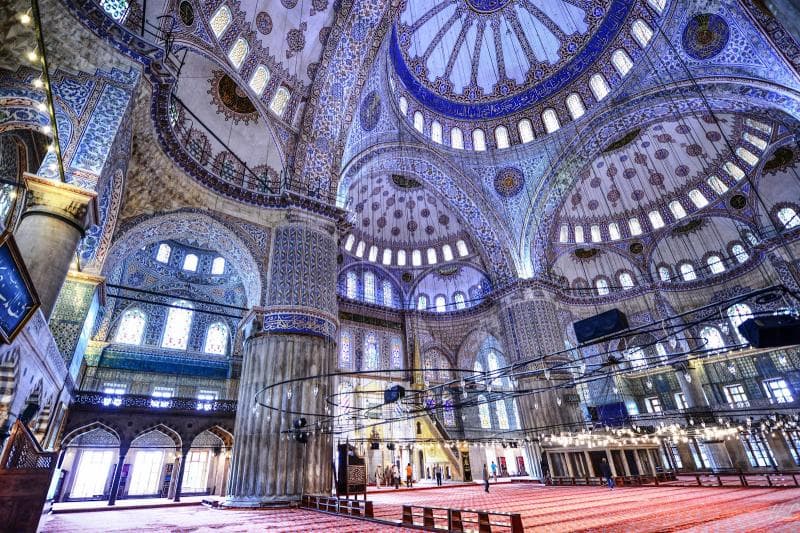
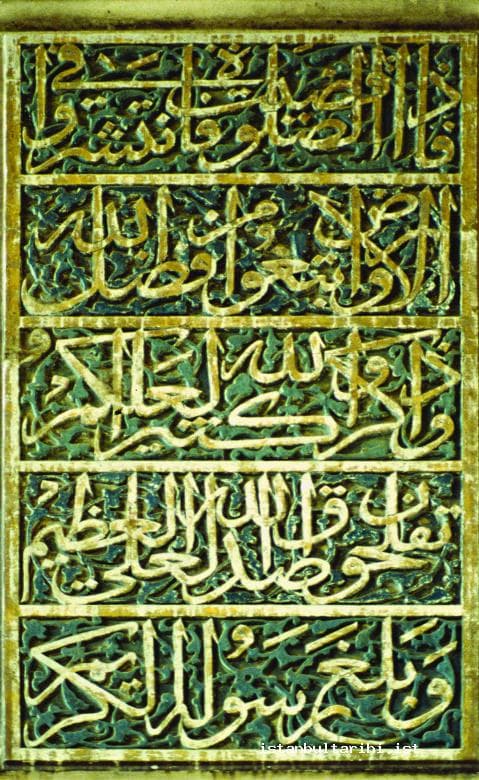
Explore the exquisite calligraphy and Qur’anic inscriptions of the Blue Mosque in Istanbul, Turkey, revealing centuries of Ottoman artistry and spiritual devotion.
Overview
Stepping into the Blue Mosque, officially known as the Sultan Ahmed Mosque, in Istanbul, Turkey, is to enter a realm where art and faith intertwine profoundly. While its striking blue Iznik tiles capture immediate attention, the true spiritual heart of this architectural marvel lies in its exquisite calligraphy and Qur’anic inscriptions. These aren't merely decorative elements; they are vital components of the mosque's narrative, articulating its purpose and communicating profound messages of divine wisdom and guidance to all who enter its sacred space.
These masterful scripts, meticulously placed throughout the mosque, transform its interior into a 'physical text', offering a unique journey through the written word of Islam. They invite contemplation and draw the eye upwards, leading visitors and worshippers alike into a deeper understanding of the faith that inspired such grandeur.
History & Cultural Background
The Sultan Ahmed Mosque was commissioned by Sultan Ahmed I between 1609 and 1616, an ambitious undertaking designed to rival the magnificence of the nearby Hagia Sophia. In the Ottoman Empire, calligraphy was considered the highest form of artistic expression, a sacred art dedicated to beautifying the word of God. This reverence is profoundly evident in the Blue Mosque, which served as a monumental canvas for some of the finest calligraphic works of its era.
The inscriptions were predominantly executed by Seyyid Kasim Gubari, who was regarded as the greatest calligrapher of his time. His work reflects the pinnacle of Ottoman calligraphic tradition, blending aesthetic beauty with spiritual significance. The choice of script and the placement of each verse were deliberate, ensuring that the written word became an integral part of the architectural experience and the mosque's spiritual identity. This dedication highlights the Ottoman's deep commitment to faith expressed through unparalleled artistic craftsmanship.
What Makes It Special
The calligraphy within the Blue Mosque is particularly special due to its dominant style, Jali Thuluth, rendered in Turkish as Celi Sülüs. This elegant, cursive script is characterized by its dynamic, sweeping curves and was specifically adapted for large-scale architectural works, making it both legible from a distance and intricately beautiful up close.
These monumental inscriptions adorn various surfaces, including the central dome, the arches, and the massive ‘elephant foot’ pillars supporting the main dome, as well as the mihrab wall. At the apex of the central dome, a magnificent inscription typically features Qur'anic verses emphasizing God's role as the creator and sustainer of the heavens and the earth. This strategic placement reinforces the mosque's symbolism as a reflection of the celestial realm, with God's word literally at its highest point. The inscriptions also include names of Prophet Muhammad and the first four caliphs, further enriching the mosque's spiritual tapestry.
Stories, Fun Facts & Local Details
One of the fascinating aspects of the calligraphy is its synergy with the mosque's other design elements, particularly its 260 windows. The architect, Sedefkâr Mehmed Ağa, designed the mosque to be flooded with natural, divine light. By inscribing verses describing God as 'light' within the symbolic heaven of the dome, Seyyid Kasim Gubari created a perfect synthesis of text and experience. As light streams through the windows, it illuminates these powerful verses, turning the act of viewing into a 'spiritual reading experience' where the worshipper is bathed in physical light while engaging with the script that describes divine illumination.
Specific verses from the Qur'an, such as Surah 112 'al-Ikhlâs' in the main dome, and verses from Al-Baqarah (2:186, 2:277) and Al-Imran (3:37, 3:39) on the columns and mihrab wall, serve as constant reminders of core Islamic tenets. This integrated design allows visitors to engage with the mosque not just as a building, but as a dynamic spiritual guide, with its walls literally 'speaking' messages of guidance and mercy.
Visitor Perspective
For any curious traveler, exploring the calligraphy and Qur’anic inscriptions within the Blue Mosque offers a profound and enriching experience. It's an invitation to pause, look up, and immerse oneself in centuries of devotion and artistic mastery. The monumental scale of the script and its elegant flow are designed to uplift the spirit and draw the eye heavenward, fostering a sense of awe and contemplation.
The calligraphy complements the famous Iznik tiles, together creating an atmosphere of serene beauty. While the blue tiles contribute to the mosque's visual allure, the inscriptions provide its intellectual and spiritual depth, encouraging visitors to transcend mere sightseeing and engage in a dialogue with the faith and history embedded in every stroke. This spiritual journey, guided by the timeless beauty of the written word, makes a visit to the Blue Mosque a truly unforgettable encounter with Ottoman heritage and Islamic artistry.
Coordinates: 28.9768, 41.0054
View on Google Maps💬 How Travelers Describe This Place
Based on community votes
Photogenic
898Unique
618Beautiful
449Interesting
308Must See
22
Traveler Stories
Discover memorable experiences shared by travelers who have visited this place.
No traveler stories yet.
Be the first traveler to share what made this place memorable.

Tour
By
Spot
Discover amazing places around the world. Your journey starts here.
Explore
© 2026 TourBySpot. All rights reserved.