Caldera Rim
Bali, Indonesia
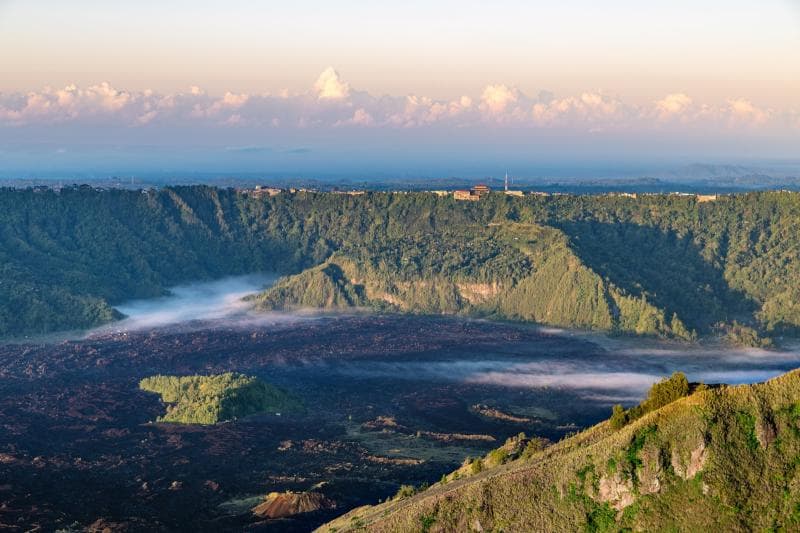
Explore the majestic Caldera Rim of Mount Batur in Bali, Indonesia. Discover its sacred history, unique geology, and breathtaking views.
Overview
The Caldera Rim of Mount Batur in Bali, Indonesia, offers a breathtaking perspective on one of the island's most iconic natural wonders. Mount Batur itself is an active stratovolcano nestled within a dramatic landscape characterized by two concentric calderas, a unique geological formation. The outer caldera, expansive and ancient, encircles a younger, inner caldera where Mount Batur's cone actively rises. Trekking along the Caldera Rim provides panoramic vistas of the crescent-shaped Lake Batur shimmering below, the impressive Mount Batur peak, and on clear days, distant views of other revered Balinese mountains like Mount Agung, and even Mount Rinjani on Lombok. This area is recognized globally for its geological significance and cultural heritage, forming part of the Batur UNESCO Global Geopark.
Unlike the more strenuous ascent to Mount Batur's summit, the Caldera Rim trek is often seen as a more accessible and equally rewarding experience. It provides a less crowded environment for visitors to immerse themselves in the stunning natural beauty and profound spiritual atmosphere of the region. This captivating landscape, shaped by millennia of volcanic activity, presents a vibrant tableau of fertile farmlands contrasting with rugged lava fields, making it a truly unforgettable destination.
History & Cultural Background
Mount Batur and its surrounding caldera are woven deeply into the spiritual and cultural fabric of Bali. For centuries, the Balinese people have regarded this active volcano as a sacred entity, believing it to be an abode of the gods. In Balinese Hinduism, Mount Batur is particularly associated with Dewi Danu, the goddess of Lake Batur and the island's life-giving water sources. Ancient myths tell of a conflict between the creator god Brahma and the volcano god Batara Batur, with eruptions symbolizing divine power and anger.
The geological history of the caldera dates back tens of thousands of years, with two massive eruptions causing the collapse of ancient volcanic structures, creating the nested caldera system seen today. These cataclysmic events, occurring approximately 29,300 and 20,150 years ago, profoundly shaped the landscape. The fertile volcanic soil deposited by past eruptions has sustained agricultural communities for millennia, allowing the cultivation of crops like rice, coffee, and vegetables. Temples dot the landscape, including Pura Ulun Danu Batur, a significant water temple dedicated to Dewi Danu, which was painstakingly relocated to its current site on the caldera rim after its original structure was destroyed by a devastating eruption in 1926. The area is also home to indigenous Bali Aga villages, such as Trunyan, where ancient traditions that predate Hindu Bali are still preserved, offering a unique glimpse into the island's ancestral heritage.
What Makes It Special
The Caldera Rim of Mount Batur is distinguished by several exceptional features. Geologically, it stands out with its rare 'double caldera' system, where a younger volcano sits within the remnants of an older, much larger one. This provides a dramatic geological spectacle that is truly humbling. The crescent-shaped Lake Batur, nestled within the inner caldera, is Bali's largest crater lake and a vital spiritual 'water reservoir' for the island's irrigation systems.
What makes the Caldera Rim truly special is the perspective it offers. Visitors can witness the sheer scale of the volcanic activity—from solidified black lava fields, evidence of recent eruptions, to the still-steaming vents near the main peak. The rim itself presents a unique hiking opportunity, less demanding than the primary summit ascent yet delivering equally, if not more, diverse and expansive views. It's a place where you can quite literally see the powerful forces of Earth etched into the ground, a dynamic landscape constantly being reshaped.
Stories, Fun Facts & Local Details
Local guides often refer to the Caldera Rim trek as 'Trekking with the Gods,' a testament to the profound spiritual connection the Balinese people have with Mount Batur. The mountain is not just a geographical feature; it's considered a living deity whose benevolent spirit, Dewi Danu, ensures the flow of water through the intricate Subak irrigation system that nourishes Bali's rice paddies. This vital connection highlights the delicate balance between nature and human life, celebrated through regular rituals and offerings performed by local communities to maintain harmony.
An interesting aspect of the region is the incredible fertility of its volcanic soil. Despite the destructive power of eruptions, the ash and mineral-rich lava have created ideal conditions for agriculture, allowing farmers in the Kintamani highlands to produce abundant harvests of tomatoes, chilies, onions, and cabbages without extensive fertilization. Another fascinating cultural detail can be found in villages like Trunyan, situated on the eastern shore of Lake Batur. These Bali Aga communities maintain unique ancient traditions, including a distinct open-air burial ritual where bodies are placed under a sacred Taru Menyan tree, which is believed to neutralize any odor.
Visitor Perspective
For those seeking an immersive experience with stunning views without the intense physical challenge of a full volcano summit trek, the Caldera Rim of Mount Batur is an ideal choice. The trek usually begins in the early morning, offering the spectacular reward of a sunrise painting the sky with vibrant colors over Lake Batur and the surrounding volcanic terrain. Many guided tours include light breakfast at a scenic viewpoint, often with hot drinks to combat the cool morning air.
The trails along the Caldera Rim meander through picturesque villages and agricultural fields, providing a different perspective from the more direct summit routes. It's a less crowded alternative, allowing for a more tranquil connection with nature. For those who prefer not to hike, jeep tours are available, offering access to stunning viewpoints and remote lava fields. After a morning of exploration, many visitors choose to relax in the natural hot springs located near Lake Batur, such as Toya Devasya, a perfect way to soothe tired muscles while still enjoying the serene volcanic landscape.
Coordinates: 115.3775, -8.23889
View on Google Maps💬 How Travelers Describe This Place
Based on community votes
Unique
540Must See
470Beautiful
410Photogenic
147Interesting
114
Traveler Stories
Discover memorable experiences shared by travelers who have visited this place.
No traveler stories yet.
Be the first traveler to share what made this place memorable.

Tour
By
Spot
Discover amazing places around the world. Your journey starts here.
Explore
© 2026 TourBySpot. All rights reserved.