Calanque De Morgiou
Marseille, France
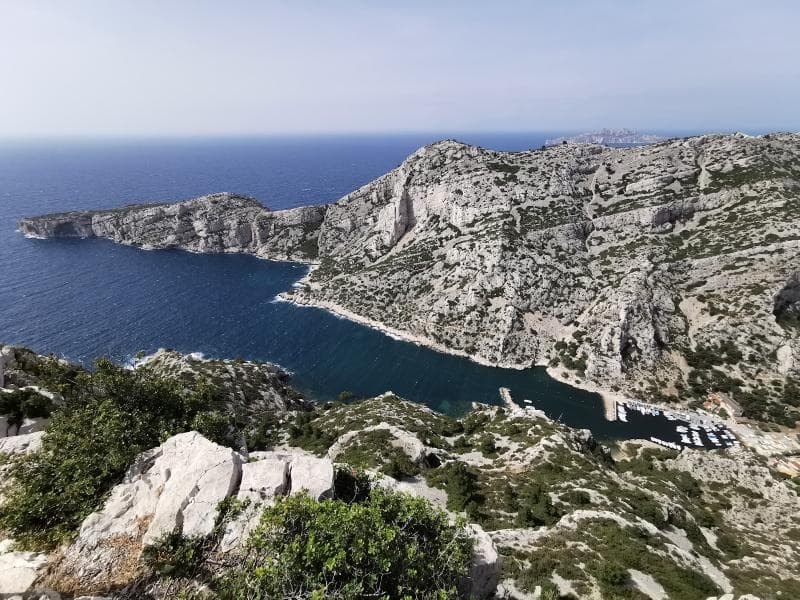
Discover Calanque de Morgiou, a wild and historic fishing port within Calanques National Park in Marseille, France. Explore turquoise waters, ancient caves, and unique local life.
Overview
Nestled within the breathtaking Calanques National Park, Calanque de Morgiou stands as a pristine jewel among the dramatic coastline between Marseille and Cassis, France. This impressive inlet, one of the largest in the park, is renowned for its striking turquoise waters, towering limestone cliffs, and the charm of a small, active fishing port. Often described as one of the wildest and most authentic calanques, it offers a serene escape from the urban bustle of Marseille, appealing to both intrepid hikers and those seeking a tranquil Mediterranean experience.
The calanque carves deeply into the rugged landscape, featuring a natural harbor, a collection of traditional fishing huts, and even a small, inviting pebble and sand beach. It is a favored destination for bathing, walking, and exploring the unique geological formations that characterize this protected natural area.
History & Cultural Background
Calanque de Morgiou boasts a rich history that stretches back millennia. Archaeological evidence from the famous Cosquer Cave, located nearby, suggests human presence in the area as far back as 27,000 to 19,000 years before present, when sea levels were significantly lower. This underwater grotto, with its numerous prehistoric cave paintings depicting both terrestrial and marine animals, highlights the ancient human connection to this remarkable coastline.
In more recent history, Morgiou has long been a vibrant fishing village. Its most celebrated historical event occurred in 1622 when King Louis XIII visited Marseille. To honor the monarch, a spectacular tuna fishing event, known as 'madrague,' was organized in Calanque de Morgiou. Special stone steps, famously dubbed 'Louis XIII's staircase,' were carved directly into the rock to allow the king to embark a traditional fishing boat, a testament to the calanque's historical significance.
Historically, Morgiou was quite isolated, with vital supplies like drinking water brought in by donkey caravans from nearby Mazargues. This isolation fostered a resilient community, and unlike some neighboring calanques, Morgiou has maintained a population of year-round residents, living in traditional 'cabanons' that blend seamlessly into the dramatic landscape.
What Makes It Special
Calanque de Morgiou's distinctiveness lies in its unique blend of untamed natural beauty and living heritage. Its waters are notably deeper than some other calanques, contributing to its vibrant turquoise hue and offering exceptional conditions for exploring rich marine life.
The presence of a still-active fishing port, complete with its quaint 'cabanons' (small cabins), provides a glimpse into a traditional way of life that has largely vanished elsewhere. These rustic dwellings, often without modern amenities like main electricity, reflect a commitment to a simpler existence in harmony with nature.
The calanque also serves as a gateway to several natural wonders. Beyond the historical significance of the Cosquer Cave, accessible only by divers due to its submerged entrance, visitors can explore the 'Grotte Bleue' (Blue Cave), a geological curiosity accessible via hiking or snorkeling.
For adventurers, the calanque is traversed by the GR98-51 long-distance hiking trail, offering challenging yet rewarding paths that lead to stunning panoramic views, particularly from Cap Morgiou. The steep cliffs are also a popular spot for rock climbing, with climbers scaling the dramatic rock faces above.
Stories, Fun Facts & Local Details
The tale of King Louis XIII's visit in 1622 remains a cherished local anecdote, with the 'madrague' tuna fishing event being a highlight of the era. The very steps he used are still visible today, offering a tangible link to a royal past.
A charming fun fact about Morgiou is the occasional celebration of 'Donkey Day.' This event honors the historical role of donkeys that once transported fresh fish from the calanque's port to the markets of Marseille, as well as bringing essential supplies back to the isolated community.
The residents of Morgiou embrace a unique lifestyle, with around forty people living there year-round in their 'cabanons.' These dwellings, often passed down through generations, maintain a rustic charm, embodying an 'art of living' deeply connected to the natural rhythms of the calanque.
Local lore suggests that the water in the calanques feels notably colder than the open sea due to underground springs and the persistent influence of the Mistral wind, ensuring a refreshing dip even on the hottest days. The calanque also hosts a small, seasonal restaurant, the Nautic Bar, offering a delightful spot to enjoy local cuisine with picturesque views.
Visitor Perspective
Visiting Calanque de Morgiou offers an immersive experience into a wild and historically rich landscape. Access largely dictates the visitor's journey. During restricted periods, especially in summer due to fire risk, motorized vehicle access is limited, encouraging exploration on foot or by boat. Hikers can reach Morgiou via scenic trails from Luminy (approximately one hour) or the Baumettes district.
It's crucial for visitors to come prepared: sturdy hiking shoes are essential for navigating the often rocky and slippery paths of the GR98-51. Carrying ample water, sun protection, and a map are highly recommended to ensure a safe and enjoyable visit to this rugged environment. The views from the Cap Morgiou and along the 'Sentier du Vertige' trail are particularly rewarding, offering breathtaking panoramas of the coastline and the expanse of the Mediterranean.
Coordinates: 5.44335, 43.212957
View on Google Maps💬 How Travelers Describe This Place
Based on community votes
Beautiful
836Unique
797Photogenic
396Interesting
286Must See
255
Traveler Stories
Discover memorable experiences shared by travelers who have visited this place.
No traveler stories yet.
Be the first traveler to share what made this place memorable.

Tour
By
Spot
Discover amazing places around the world. Your journey starts here.
Explore
© 2026 TourBySpot. All rights reserved.