Buddhist Mask Collection
Ulaanbaatar, Mongolia
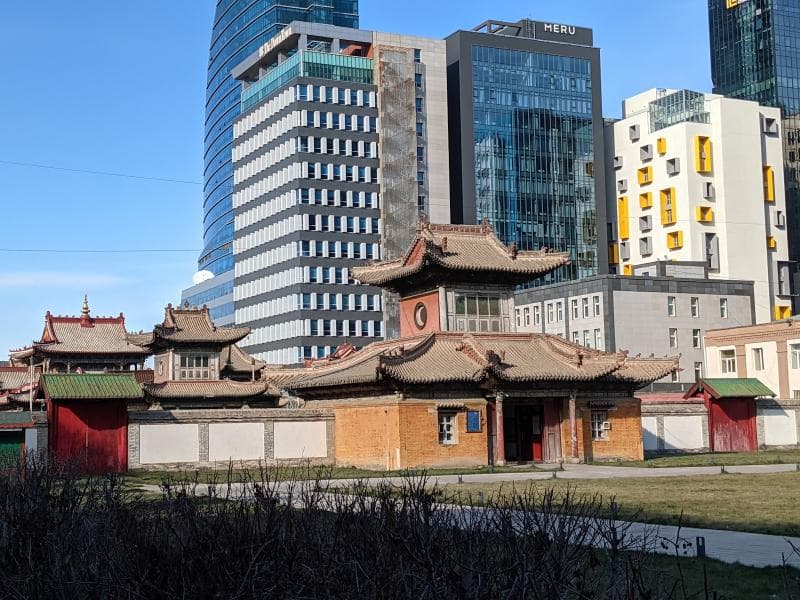
Explore the profound Buddhist Mask Collection at the Choijin Lama Temple Museum in Ulaanbaatar, Mongolia, showcasing Tsam dance masks and rich cultural history.
Overview
The Buddhist Mask Collection, housed within the revered Choijin Lama Temple Museum in Ulaanbaatar, Mongolia, offers a compelling glimpse into the rich spiritual and artistic heritage of the nation. This unique sub-spot is a vital component of the larger temple complex, which itself is a remarkable testament to Mongolian Buddhist architecture and resilience. Originally a functioning monastery built between 1904 and 1908, the complex was strategically transformed into a museum in 1938 to safeguard its priceless artifacts from destruction during the communist purges. Today, it stands as a cultural sanctuary, preserving thousands of religious objects, among which the collection of ceremonial masks holds a particularly captivating appeal for visitors.
These masks are not mere decorative items; they are central to the sacred Tsam dance, a vibrant and profound Buddhist ritual. The museum provides an immersive experience, allowing a curious traveler to understand the intricate connection between art, religion, and history in Mongolia. The collection showcases an impressive array of these masks, each meticulously crafted and imbued with deep spiritual significance, representing various deities, protectors, and symbolic figures from Buddhist cosmology.
History & Cultural Background
The Choijin Lama Temple Museum itself was constructed under the patronage of the Eighth Bogd Khaan Jebzundamba, dedicated to his brother, Luvsankhaidav, who was the state oracle. The temple complex thus carries a profound historical weight, rooted in the spiritual leadership of its era. The Buddhist masks displayed here are intrinsically linked to the Tsam dance ceremony, a religious masked dance with origins tracing back to India in the 8th century, later popularized in Tibet, and subsequently flourishing in Mongolia.
The Tsam dance is far more than a performance; it is a ritualistic drama performed by skilled monks, designed to impart Buddhist teachings, banish evil spirits, and offer blessings. The masks are the physical embodiment of the divine and demonic figures central to these narratives. Each mask, whether depicting fierce protectors, benevolent deities, or animal spirits, plays a crucial role in the spiritual dialogue of the dance, guiding the community through profound religious narratives and moral lessons. The preservation of these masks within the museum ensures that the stories and spiritual practices they represent continue to resonate.
What Makes It Special
What makes the Buddhist Mask Collection truly special is its exceptional scope and the intricate craftsmanship of each piece. The Choijin Lama Temple Museum boasts one of the largest and most striking collections of these papier-mâché masks, showcasing the artistic prowess of Mongolian masters. These masks are often made from papier-mâché, intricately painted with vibrant colors, and sometimes adorned with precious materials. For instance, a notable ritual mask is mentioned as being crafted from 7000 red coral beads, highlighting the devotion and artistry invested in these sacred objects.
The collection provides a visual encyclopedia of the diverse characters in the Tsam dance, from wrathful deities with multiple eyes and fangs, designed to inspire awe and fear, to calmer, more serene countenances of Bodhisattvas. The variety in expression, material, and symbolic detail within the collection is astonishing, reflecting the complex pantheon of Tibetan Buddhism as interpreted through Mongolian artistry. These masks are not simply static exhibits; they are historical artifacts that once pulsated with life and spiritual energy during powerful religious ceremonies.
Stories, Fun Facts & Local Details
One of the most fascinating aspects of the Choijin Lama Temple Museum is its very existence. During the intense religious purges of the 1930s under communist rule, most of Mongolia's monasteries and temples were destroyed. However, thanks to the foresight of wise individuals, the Choijin Lama Temple was declared a museum in 1938, thereby saving its magnificent collection, including the masks, from destruction. This act of preservation speaks volumes about the enduring cultural value placed on these artifacts.
The Tsam dance, for which these masks were created, is a theatrical spectacle. Dancers, often monks, wear these elaborate masks and costumes to embody figures ranging from revered apostles and fearsome devils to various animals and historical personages. The facial expressions on the masks themselves tell stories, portraying characters with temperaments that can be cruel, calm, or even humorous, reflecting the diverse narratives played out in the dance. Observing these masks, one can almost hear the rhythmic drumming and chanting that would have accompanied their ceremonial movements, bringing the ancient ritual to life.
Visitor Perspective
For the curious traveler, visiting the Buddhist Mask Collection at the Choijin Lama Temple Museum is an incredibly immersive and reflective experience. Stepping into the museum, one is immediately transported to a bygone era of spiritual devotion and artistic grandeur. The masks are displayed thoughtfully, often alongside other religious instruments, thangka paintings, and sculptures, allowing visitors to appreciate the broader context of Mongolian Buddhist art.
While the atmosphere can be serene, some of the detailed depictions, especially those related to Buddhist hell (Naraka), might offer a poignant and sometimes macabre reflection on the human condition and the pursuit of a virtuous life, as intended by the religious art. This collection offers a unique opportunity to connect with the spiritual heart of Mongolia, to understand the intricate symbolism behind each mask, and to appreciate the dedication of the artists and practitioners who brought these powerful cultural expressions to life. It is a journey into the soul of Mongolian Buddhism, offering both intellectual understanding and emotional resonance.
Coordinates: 106.9177, 47.909
View on Google Maps💬 How Travelers Describe This Place
Based on community votes
Interesting
623Photogenic
343Unique
302Must See
250Beautiful
88
Traveler Stories
Discover memorable experiences shared by travelers who have visited this place.
No traveler stories yet.
Be the first traveler to share what made this place memorable.

Tour
By
Spot
Discover amazing places around the world. Your journey starts here.
Explore
© 2026 TourBySpot. All rights reserved.