Buddhist Art Section
Yangon, Myanmar
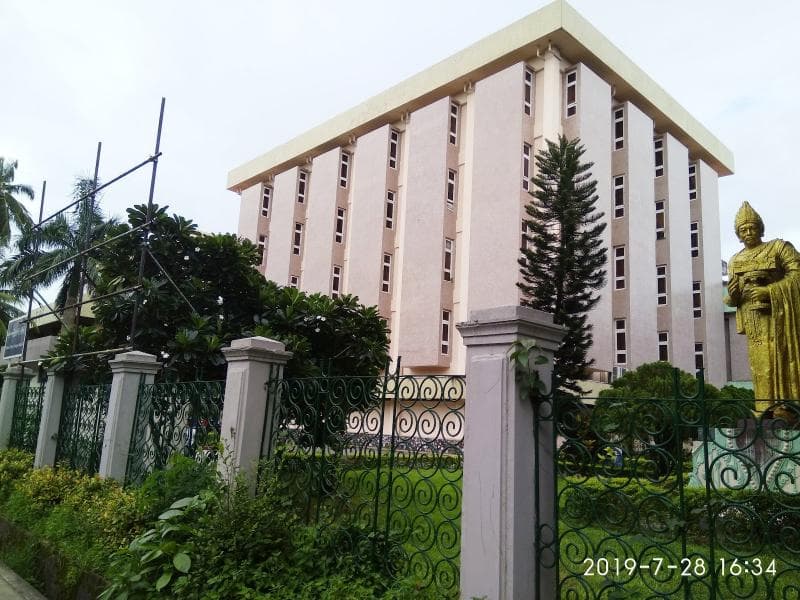
Explore the Buddhist Art Section at the National Museum of Myanmar in Yangon, a journey through centuries of spiritual devotion.
Overview
Stepping into the Buddhist Art Section of the National Museum of Myanmar in Yangon offers a profound journey through centuries of spiritual devotion and artistic mastery. Housed within the museum's comprehensive five-story structure, this dedicated section, typically found on the fourth or fifth floor, presents an extensive collection of Buddha images and related artifacts. It serves as a vital repository for understanding the profound influence of Buddhism on Myanmar's cultural and historical landscape. Here, visitors can witness the evolution of iconography, artistic styles, and spiritual practices that have shaped the nation for millennia, displayed through a rich array of stone, bronze, and lacquered wood sculptures, along with textiles, paintings, and ritual implements.
The National Museum itself, established in 1952 and relocated to its current purpose-built premises on Pyay Road in 1996, is a beacon of Burmese heritage, housing over 4,000 permanent objects that chronicle the art, history, and civilization of the Myanmar people. The Buddhist Art Section is a cornerstone of this collection, inviting contemplation and providing a unique window into the country's deeply ingrained Buddhist identity.
History & Cultural Background
The history of Buddhist art in Myanmar is as ancient and layered as the country's spiritual roots. Buddhism, predominantly the Theravada tradition, made its way to the region from Northeast India as early as the 3rd century BCE, predating the schism between Mahayana and Hinayana (Theravada) Buddhism. This early adoption laid the groundwork for a flourishing artistic tradition deeply intertwined with religious practice.
The earliest known examples of Buddhist art and architecture emerged during the Pyu city-states period, spanning from the 2nd century BCE to the mid-11th century CE. Influenced heavily by Indian art styles, particularly from the Gupta and post-Gupta periods, early Burmese artisans began crafting Buddha statues and other Buddhist artifacts. Archaeological excavations, such as those at the ancient Pyu city of Sri Ksetra, have unearthed silver stupas and votive tablets, providing tangible evidence of Buddhism's prevalence during this era.
The apex of classical Burmese Buddhist art is widely considered to be the Bagan Period (849–1287 CE), a time when thousands of temples and monuments were constructed, adorned with stunning stone and bronze sculptures and intricate murals depicting Jataka tales—stories of the Buddha's previous births. Over subsequent centuries, distinct Burmese styles like the Ava, Mandalay, and Shan emerged, each contributing unique characteristics to the representation of the Buddha, reflecting a localized artistic sensibility while retaining spiritual reverence. The museum's collection beautifully traces these chronological and stylistic developments.
What Makes It Special
What sets the Buddhist Art Section apart is its comprehensive portrayal of Myanmar's enduring devotion to Buddhism through artistic expression. It's not merely a display of static objects; it's a narrative woven through diverse materials and epochs, illustrating the continuous artistic and spiritual journey of a nation. The collection includes images that span from the ancient Pyu Period to contemporary times, allowing visitors to observe the evolution of iconographic representations and the aesthetic shifts influenced by various dynasties and regional schools.
One can marvel at the intricate details of bronze sculptures, the serene expressions carved in stone, and the vibrant storytelling preserved in lacquered wood. These artifacts often carry the subtle influences of neighboring cultures, yet consistently retain a distinctly Burmese character in their facial features, physiognomy, and robe styles. The sheer volume and chronological depth of the exhibits offer an unparalleled opportunity to appreciate the unbroken tradition of Theravada Buddhism in Myanmar and its artistic manifestations.
Stories, Fun Facts & Local Details
Within the quiet halls, each artifact whispers tales of devotion and craftsmanship. Imagine the meticulous process of creating a Buddha image, not just as an art piece, but as an object of profound merit-making. The styles like the Ava period images were popular between the 14th and 16th centuries, while the Mandalay style from the Konbaung dynasty (1752–1885) introduced more natural and fleshy faces with distinctive slanted eyes and thick lips. These stylistic nuances aren't just artistic choices; they often reflect the prevalent spiritual interpretations and aesthetic preferences of their time.
A 'fun fact' for a curious traveler might be understanding the 'mudras' – the symbolic hand gestures of the Buddha images. Each mudra conveys a specific meaning, such as 'bhumisparsha mudra' (earth-touching gesture) representing the moment of enlightenment, or 'dhyana mudra' (meditation gesture) signifying contemplation. While perhaps not explicitly highlighted as 'fun facts' in a museum context, learning to 'read' these gestures adds a layer of depth to appreciating the art. The presence of artifacts like rare ancient votive tablets with moldings from Jataka stories provides a direct link to the narrative traditions that have educated and inspired Burmese Buddhists for centuries. These objects are not just historical relics; they are tangible connections to the living faith of the Myanmar people.
Visitor Perspective
For the traveler, exploring the Buddhist Art Section is a meditative and enlightening experience. It offers a unique opportunity to connect with the spiritual heart of Myanmar. As you wander through the exhibits, you gain a deep appreciation for the artistry and devotion that has permeated Burmese culture throughout history. The displays, while sometimes minimally labeled, encourage a quiet contemplation of the serene and powerful representations of the Buddha.
It's an immersive dive into the visual language of Theravada Buddhism, revealing how sacred narratives and doctrines have been expressed through diverse artistic forms for over fifteen centuries. You'll leave with a richer understanding of Myanmar's heritage, recognizing the subtle yet profound stylistic influences and the unwavering spiritual commitment that shaped these magnificent works. The collection is a testament to the resilient and creative spirit of a people whose lives have been continually touched by the teachings of the Buddha.
Coordinates: 96.1425, 16.78861
View on Google Maps💬 How Travelers Describe This Place
Based on community votes
Photogenic
879Must See
723Unique
482Interesting
396Beautiful
274
Traveler Stories
Discover memorable experiences shared by travelers who have visited this place.
No traveler stories yet.
Be the first traveler to share what made this place memorable.

Tour
By
Spot
Discover amazing places around the world. Your journey starts here.
Explore
© 2026 TourBySpot. All rights reserved.