Buddha Niches
Vientiane, Laos
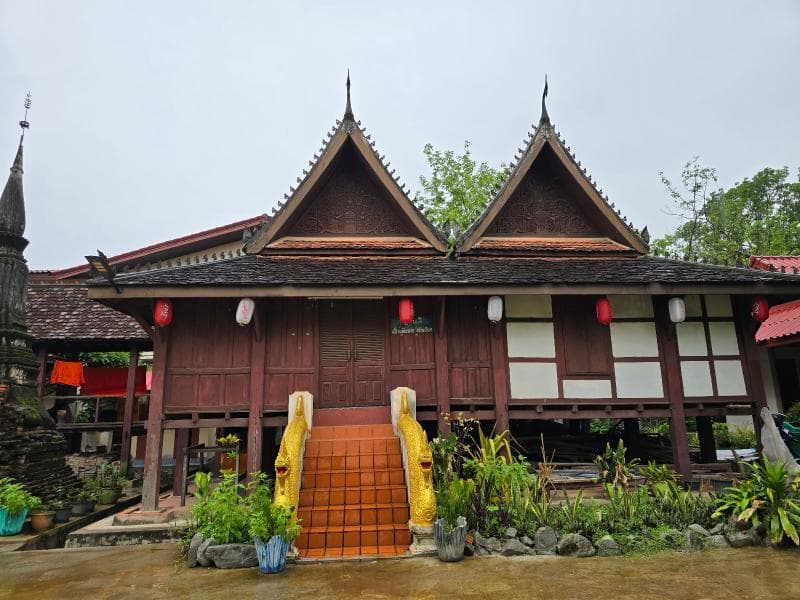
Explore the Buddha Niches at Wat Si Saket in Vientiane, Laos, home to thousands of ancient Buddha statues and a rich history.
Overview
Stepping into Wat Si Saket in Vientiane, Laos, visitors are immediately enveloped in a sense of profound history and spiritual devotion. This revered temple, the oldest surviving in the capital, is most renowned for its extraordinary collection of Buddha Niches. Within the cloistered courtyard walls, thousands upon thousands of Buddha images are meticulously housed, creating an awe-inspiring panorama of sacred art.
These Buddha images, varying in size, material, and style, are nestled within small niches and arranged on shelves, encircling the central ordination hall. They represent centuries of Buddhist artistry and unwavering faith, making Wat Si Saket not just a temple, but a living museum and a testament to Laos' enduring spiritual heritage.
History & Cultural Background
Wat Si Saket was commissioned by King Anouvong, the last monarch of the Lan Xang Kingdom, with construction beginning in 1818 and completion around 1818-1824. Its historical significance is deeply tied to the tumultuous 19th century. When the Siamese army sacked and largely destroyed Vientiane in 1828 following King Anouvong's rebellion, Wat Si Saket stood as a remarkable exception.
Its survival is often attributed to its architectural style, which closely resembled that of Siamese temples of the era, leading the invading forces to spare it, potentially even using it as their headquarters. This unique circumstance makes Wat Si Saket a rare and invaluable example of early 19th-century Lao Buddhist architecture that remarkably escaped widespread destruction, preserving a tangible link to a pivotal period in Lao history.
What Makes It Special
The defining feature that makes Wat Si Saket truly special is its unparalleled collection of Buddha images, particularly those housed within the countless niches of its cloister walls. Estimates suggest there are anywhere from 6,800 to over 10,000 Buddha statues, made from diverse materials such as wood, stone, bronze, silver, ceramic, and tin.
These figures, some dating back to the 16th century, represent different periods and styles of Lao Buddhist art, transforming the temple into an extraordinary open-air gallery. The sheer density and variety of these statues, each with its own subtle expression, create a powerful visual impact and a profound sense of devotion and artistry. The temple's continued function as an active monastery, where monks perform daily rituals, adds another layer of authenticity and spiritual vibrancy to its historical charm.
Stories, Fun Facts & Local Details
A poignant detail within Wat Si Saket's cloister is the western corridor, which displays a collection of damaged Buddha statues, many headless, limbless, or cracked. These are believed to be the remnants of the 1828 Siamese attack, serving as a stark reminder of the temple's tumultuous past and its incredible resilience. Despite these visible scars, the temple is still considered a treasure trove of material and spiritual value.
Visitors might also notice unique characteristics of Lao Buddhas, such as the 'praying for rain' or 'stop fighting' poses, and stylistic exaggerations like square noses and exaggerated nipples, symbolizing Buddha's transcendence from human form. The temple also houses a library with ancient palm-leaf manuscripts, documenting Buddhist philosophy. Observing locals making merit and offering food to monks, particularly in the early mornings, offers a glimpse into contemporary Buddhist practice and community life within this ancient setting.
Visitor Perspective
For the curious traveler, Wat Si Saket offers a serene and deeply enriching experience. The tranquil gardens and ancient structures provide a peaceful atmosphere, ideal for reflection and appreciating Laos' spiritual traditions. Walking through the cloistered galleries, lined with thousands of Buddha images, is often described as an overwhelming and humbling experience, making visitors feel protected by the collective sanctity.
To best appreciate the temple's quiet beauty and avoid crowds, an early morning visit is highly recommended. While photography is generally allowed in the courtyards, it is often prohibited inside the main ordination hall to preserve the sacred atmosphere and ancient murals. Modest dress (shoulders and knees covered) is essential, and removing shoes before entering the main hall is customary, respecting the temple's ongoing role as a place of worship.
Coordinates: 102.6114, 17.9631
View on Google Maps💬 How Travelers Describe This Place
Based on community votes
Photogenic
674Must See
585Beautiful
546Interesting
503Unique
92
Traveler Stories
Discover memorable experiences shared by travelers who have visited this place.
No traveler stories yet.
Be the first traveler to share what made this place memorable.

Tour
By
Spot
Discover amazing places around the world. Your journey starts here.
Explore
© 2026 TourBySpot. All rights reserved.