Brussels Park View
Brussels, Belgium
Discover the Royal Palace of Brussels & the iconic Brussels Park View. Explore history, art, and nature at this central Belgian landmark.
Overview
Nestled in the heart of Brussels, the Royal Palace of Brussels stands majestically, overlooking the sprawling green expanse of Brussels Park, also known as Parc de Bruxelles or Warandepark. This 'Brussels Park View' isn't a single, defined viewpoint but rather the iconic panorama experienced from the Palace itself or the reciprocal view of the Palace from within the park's elegant confines. It represents a harmonious blend of royal grandeur and serene nature, forming a significant cultural and historical axis in the Belgian capital. The Palace, while not the King's residence, serves as his official workplace and a symbol of Belgium's constitutional monarchy. The park, on the other hand, provides a vital green lung for the city, offering both tranquility and a stage for public life. Together, they create a breathtaking tableau that invites visitors to delve into centuries of Belgian heritage and urban design.
Separated by the Place des Palais/Paleizenplein, the Palace and the Park are intrinsically linked, representing the country's governance system: the monarchy and the parliament, with the latter located on the opposite side of the park. This central alignment offers a unique urban vista, where history, power, and nature converge seamlessly.
History & Cultural Background
The origins of this remarkable area stretch back to the Middle Ages, when the site of Brussels Park served as hunting grounds for the Dukes of Brabant, part of the extensive gardens of the former Coudenberg Palace. A devastating fire in 1731 largely destroyed the Coudenberg Palace, leaving behind ruins that would eventually pave the way for a grand urban redevelopment.
Between 1776 and 1783, the area was meticulously redesigned in a neoclassical style by French architect Gilles-Barnabé Guimard and Austrian landscape architect Joachim Zinner, transforming the former hunting grounds into the city's first public park. This comprehensive urban project included the creation of the Place Royale. The park's layout, with its geometric alleys, fountains, and sculptures, resolutely broke with the past, marking a significant piece of proactive urban planning in Brussels. The Royal Palace, as it stands today, saw its current façade completed after 1900, an initiative championed by King Leopold II, who felt the earlier palace was insufficient for a king of his stature.
What Makes It Special
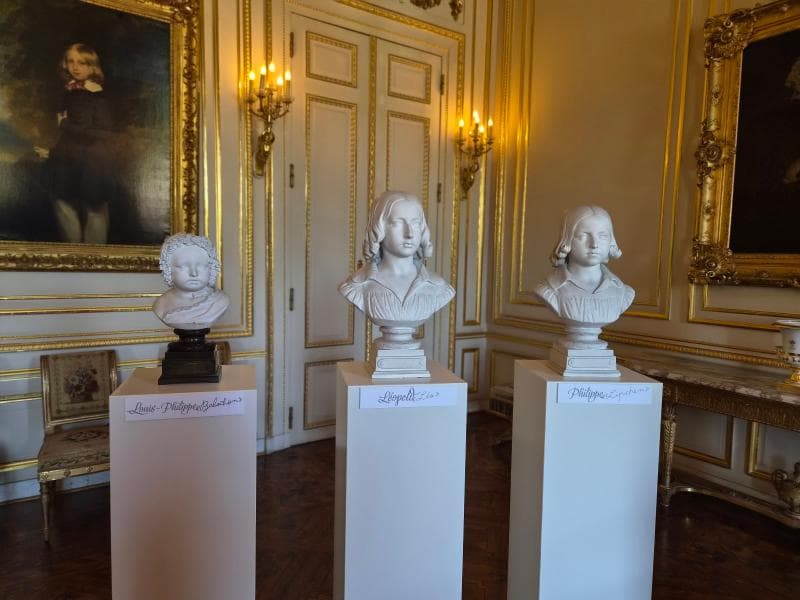
The Royal Palace of Brussels is renowned for its splendid architecture and opulent interiors, which are open to the public during the summer months. Key highlights include the magnificent Throne Room, adorned with four low reliefs by Auguste Rodin symbolizing the economic activities of the Belgian provinces, and an intricate oak and exotic wood parquet. Another extraordinary feature is the Mirror Room, where artist Jan Fabre covered the ceiling and one wall with the iridescent wing cases of over one million (or 1.4 million, or 1.6 million depending on the source) Thai jewel beetles, creating a dazzling, otherworldly effect.
Brussels Park itself is an architectural marvel. Its neoclassical design boasts sixty sculptures, primarily inspired by Greco-Roman mythology, two serene water basins with fountains, and monumental railings. The park's central axis famously aligns with both the Royal Palace and the Belgian Federal Parliament building (Palace of the Nation), creating a symbolic and visually striking urban ensemble.
Stories, Fun Facts & Local Details
A fascinating detail is that while the Royal Palace of Brussels is the official administrative residence and workplace for the King and Queen of the Belgians, they actually reside in the Royal Palace of Laeken, located north of the city center. This tradition of the monarch working in one palace and living in another has a long history. Since 1965, the Palace has opened its doors to the public annually from July 21st (Belgium's National Day) until early September, allowing visitors a rare glimpse into the royal world.
Brussels Park is not just a pretty face; it has witnessed pivotal moments in Belgian history. Notably, in 1830, it was the site of a significant confrontation during the Belgian Revolution, where revolutionary forces clashed with the Dutch army, ultimately leading to Belgium's independence. Today, the park continues to be a vibrant hub, hosting numerous events, concerts, and public celebrations, particularly during summer.
Visitor Perspective
Approaching the Royal Palace from Brussels Park offers a grand and immersive experience. As you stroll through the tree-lined avenues and past classical statues, the imposing facade of the Palace gradually comes into full view. The meticulous design of the park, with its geometric precision and lush greenery, provides a sense of calm before the architectural splendor of the Palace. Photography enthusiasts will find excellent vantage points from within the park to capture the Palace's impressive exterior.
During the summer opening, exploring the Palace's lavish rooms – from the grand halls to the ornate Throne Room and the mesmerizing Mirror Room – provides a profound insight into Belgium's royal heritage and artistic expression. Even when the Palace is closed, the surrounding Brussels Park remains a perfect spot for relaxation, a leisurely walk, or simply soaking in the atmosphere of this historic quarter. It's a place where you can feel the pulse of Brussels' past and present, all while enjoying the refreshing 'Brussels Park View'.
Coordinates: 4.36222, 50.84167
View on Google Maps💬 How Travelers Describe This Place
Based on community votes
Must See
995Unique
839Beautiful
388Interesting
289Photogenic
141
Traveler Stories
Discover memorable experiences shared by travelers who have visited this place.
No traveler stories yet.
Be the first traveler to share what made this place memorable.

Tour
By
Spot
Discover amazing places around the world. Your journey starts here.
Explore
© 2026 TourBySpot. All rights reserved.