Bronze Collection
Jakarta, Indonesia
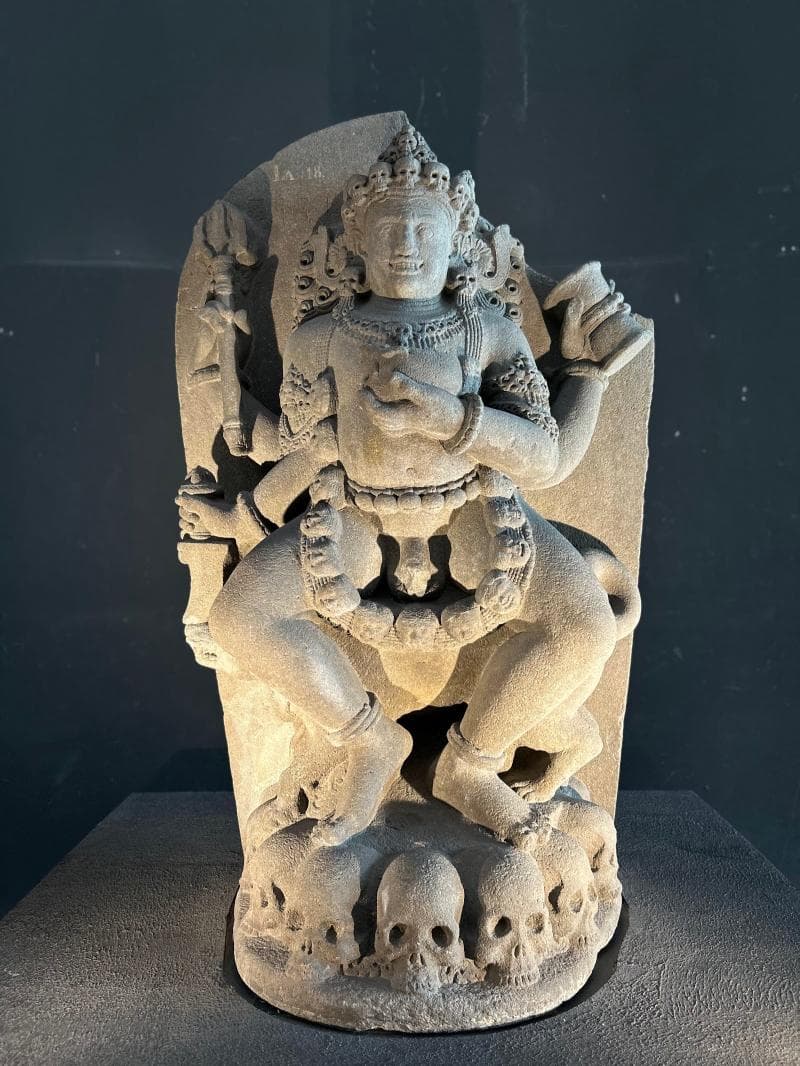
Explore the Bronze Collection at the National Museum of Indonesia in Jakarta, offering a deep dive into ancient metallurgy, art, and culture.
Overview
Step into the National Museum of Indonesia in Jakarta, and you'll find yourself transported through millennia of Indonesian history and culture. Among its most captivating exhibits is the Bronze Collection, a remarkable assembly of artifacts that sheds light on the archipelago's ancient metallurgical prowess and artistic expression. This collection, comprising thousands of pieces, is not merely a display of old objects; it's a narrative woven in metal, showcasing the profound impact bronze had on early Indonesian societies, from practical tools to sacred effigies. It stands as a testament to the sophistication of ancient Indonesian craftsmanship and its deep cultural connections across Southeast Asia and beyond.
The Bronze Collection features an astonishing array of items, including intricate ceremonial objects, functional implements, and exquisite Hindu-Buddhist statues. These artifacts illustrate the transformative power of bronze, which reshaped daily life, religious practices, and artistic endeavors in Indonesia. The sheer volume and diversity of the collection make it a crucial destination for anyone seeking to understand the foundational layers of Indonesia's rich heritage.
History & Cultural Background
The story of bronze in Indonesia dates back to approximately the 1st century BC, marking the advent of the Bronze Age in the archipelago. This period brought about significant shifts in both practical living and cultural expression. Early bronze artifacts were often created using techniques like forging and wax-casting, indicating advanced technological understanding for the era. Common items included axes, jewelry, and various ceremonial pieces.
As Indonesia entered its Classical Age, particularly between the 8th and 15th centuries, the artistry and techniques of bronze casting further evolved. Innovations such as soldering allowed for more varied and ornate creations. During this time, bronze became a favored medium for depicting Hindu and Buddhist deities, reflecting the dominant religious influences from India that flourished on Java and Sumatra. These religious bronzes, often small statues, served not only as objects of worship but also as artistic masterpieces that captured the spiritual essence of the period. The presence of bronze artifacts suggests extensive trade networks, as Java, where many pieces were found, was not inherently rich in the necessary metals like copper and tin. This points to a vibrant exchange of materials and ideas across ancient trade routes.
What Makes It Special
What truly sets the Bronze Collection apart is its comprehensive representation of Indonesia's metal age, showcasing the evolution of craftsmanship from rudimentary tools to sophisticated religious iconography. With over 3,000 pieces, it's one of the most extensive displays of its kind in Southeast Asia. The collection uniquely illustrates how bronze was adapted to suit both the mundane and the sacred aspects of life. From water jars designed to mimic terracotta vessels to powerful deity statues, each piece tells a story of technological adaptation and cultural assimilation.
A notable aspect is the evidence of skilled artistry that could create delicate and detailed figures, often using the lost-wax technique. These objects, many dating back a millennium or more, have remarkably endured, offering direct insights into ancient Indonesian civilizations. The collection highlights the intricate connection between material culture and belief systems, providing a tangible link to the Hindu-Buddhist kingdoms that shaped early Indonesian identity.
Stories, Fun Facts & Local Details
Among the fascinating items in the collection is a bronze vessel discovered in Kerinci, Jambi, in 1922. This particular vessel is considered a masterpiece, exhibiting intricate decorative motifs such as spirals and geometric patterns. It's believed to be a rare testament to the Dong Son civilization's influence in Southeast Asia, with only a handful of similar vessels known worldwide. This single artifact underscores the global connections Indonesia maintained millennia ago.
Another intriguing aspect is the collection of Nganjuk bronzes, which include numerous small statues forming three-dimensional mandalas. These 10th-century Buddhist artifacts are exceptional examples of their kind, offering valuable insights into Tantric Buddhist visual culture. While many Nganjuk bronzes are dispersed globally, the National Museum of Indonesia houses a significant portion, providing a concentrated look at this unique artistic tradition.
Interestingly, the famous bronze elephant statue in the forecourt of the National Museum, which lends the museum its popular nickname 'Gedung Gajah' (Elephant Building), was a gift from King Chulalongkorn of Siam in 1871, rather than an ancient Indonesian bronze.
Visitor Perspective
Visiting the Bronze Collection offers a profound journey through time. While walking through the galleries, imagine the lives of the people who created and used these objects. How did a bronze axe shape their survival? What spiritual comfort did a bronze Buddha statue offer? The collection invites contemplation on the enduring human desire for both utility and beauty, and how these were inextricably linked in ancient Indonesian society.
It's important for visitors to note that the National Museum of Indonesia, including parts of the Bronze Gallery, experienced a fire in September 2023. Extensive efforts have been underway for recovery and conservation. The museum officially reopened in phases starting October 2024, showcasing restored artifacts and new exhibitions. This event highlights the fragility of our shared heritage and the dedication required to preserve it. The ongoing restoration efforts add another layer to the visitor experience, reminding us of the continuous work involved in safeguarding these irreplaceable treasures.
Coordinates: 106.8197, -6.1723
View on Google Maps💬 How Travelers Describe This Place
Based on community votes
Beautiful
791Photogenic
613Unique
514Must See
457Interesting
207
Traveler Stories
Discover memorable experiences shared by travelers who have visited this place.
No traveler stories yet.
Be the first traveler to share what made this place memorable.

Tour
By
Spot
Discover amazing places around the world. Your journey starts here.
Explore
© 2026 TourBySpot. All rights reserved.