Bronze Age Collection
Dublin, Ireland
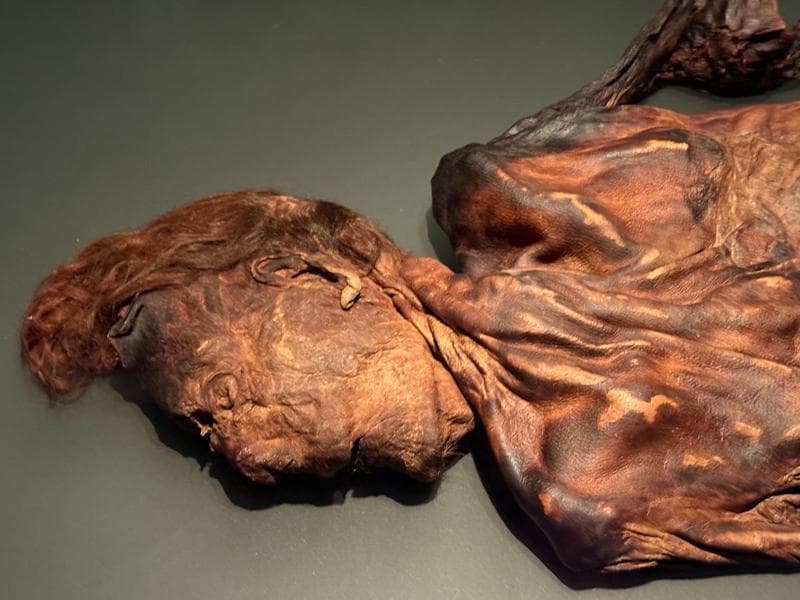
Explore Dublin's National Museum of Ireland's incredible Bronze Age Collection, featuring Europe's finest prehistoric gold artifacts. Discover ancient Irish history.
Overview
Stepping into the National Museum of Ireland – Archaeology in Dublin, you're transported through millennia of Irish history, and few collections captivate quite like the Bronze Age exhibition. Located in the heart of Dublin, this national repository proudly safeguards an extraordinary array of artifacts, offering a profound glimpse into a pivotal era that reshaped Ireland's landscape, society, and artistic expression. The Bronze Age Collection, notably rich in goldwork, pottery, and metal tools, stands as one of Europe's most significant assemblages, drawing visitors into the lives of ancient Irish communities.
The museum itself, housed in a magnificent Victorian Palladian building with a striking domed rotunda, provides a fitting backdrop for these ancient treasures. Here, visitors can explore the technological advancements and cultural nuances of a period stretching from approximately 2200 BC to 500 BC, where the mastery of metal transformed everyday life and ritual. The collection isn't just about ancient objects; it's about the stories they tell, the people who crafted them, and the world they inhabited.
History & Cultural Background
The Irish Bronze Age, spanning roughly from 2200 BC to 500 BC, marked a revolutionary period defined by the introduction and widespread adoption of metallurgy. Before this, communities relied on stone, but the discovery of copper and gold, followed by the groundbreaking technique of alloying copper with tin to create bronze, ushered in an era of unprecedented innovation. The 'Beaker people,' arriving from continental Europe around 2000 BC, are credited with bringing advanced metalworking knowledge to Ireland, profoundly influencing local artistic traditions and technological capabilities.
This shift from stone to metal profoundly impacted Irish society. Bronze, being stronger and more durable, led to more efficient tools and weapons, freeing up time for other pursuits, including artistic development. Burial practices also evolved; instead of the megalithic tombs of the Neolithic era, the Bronze Age saw the emergence of individual burials, often accompanied by pottery vessels. The deposition of valuable objects in hoards became a significant cultural practice, providing archaeologists with rich insights into the wealth and ritualistic beliefs of these ancient communities.
What Makes It Special
What truly sets the National Museum's Bronze Age Collection apart is its unparalleled wealth of gold artifacts. It boasts one of the largest and finest collections of prehistoric goldwork in Europe, ranging from approximately 2200 BC to 500 BC. Among the most iconic pieces are the crescent-shaped neck ornaments known as 'lunulae,' with over 50 examples in the collection, showcasing the exquisite craftsmanship of early Irish metalsmiths.
Beyond the gleaming gold, the collection also features an impressive array of bronze tools and weapons, including over 2,000 Early Bronze Age axeheads, daggers, spearheads, and halberds. Significant hoards, like the 'Dowris hoard' from County Offaly, containing around 218 objects such as swords, cauldrons, and musical horns, and the 'Mooghaun North hoard' of gold ornaments from County Clare, highlight the prosperity and advanced metalworking of the Late Bronze Age. The museum also uniquely displays organic objects preserved in peat bogs, such as wooden block wheels and a rare woollen garment, offering a tangible connection to the daily lives of Bronze Age people.
Stories, Fun Facts & Local Details
Imagine a time when Ireland's landscape was dotted with skilled artisans transforming raw copper and gold into objects of beauty and utility. The 'lunulae,' for instance, were likely worn as symbols of status or for ceremonial purposes, their intricate patterns reflecting a deep connection to the natural world. The sheer number of items found in hoards suggests not just wealth, but perhaps ritualistic offerings to deities or the earth itself, giving us a glimpse into ancient belief systems.
A fascinating aspect of the collection comes from Ireland's unique peat bogs, which have acted as natural time capsules, preserving organic materials that would otherwise have disintegrated. These include wooden wheels and even textiles, providing invaluable clues about technology and attire. Ireland was also rich in copper deposits, particularly in places like Mount Gabriel in County Cork, making it a significant center for early metal production in Europe. The artifacts tell tales of sophisticated societies, with evidence of early musical instruments like bone flutes and horns, suggesting that music played a vital role in their cultural fabric.
Visitor Perspective
A visit to the Bronze Age Collection offers more than just a static display of ancient objects; it's an immersive journey into Ireland's prehistoric past. The careful curation and detailed explanations guide you through the technological leaps and cultural developments of the era. The museum’s commitment to education is evident, with some resources featuring replica objects to help grasp the tactile nature of these ancient crafts. While specific handling boxes are generally for educational programs, the overall presentation encourages a deeper understanding.
Admission to the National Museum of Ireland – Archaeology is free, making this invaluable collection accessible to everyone. It's a place where history comes alive, allowing you to ponder the lives of early Irish people, their ingenuity, and their enduring legacy. Whether you're a seasoned archaeologist, a history enthusiast, or a curious traveler, the Bronze Age Collection provides a captivating and meaningful encounter with Ireland's ancient heritage.
Coordinates: -6.255, 53.34028
View on Google Maps💬 How Travelers Describe This Place
Based on community votes
Unique
931Must See
692Photogenic
655Beautiful
491Interesting
266
Traveler Stories
Discover memorable experiences shared by travelers who have visited this place.
No traveler stories yet.
Be the first traveler to share what made this place memorable.

Tour
By
Spot
Discover amazing places around the world. Your journey starts here.
Explore
© 2026 TourBySpot. All rights reserved.