Botanical Garden Of Dushanbe
Dushanbe, Tajikistan
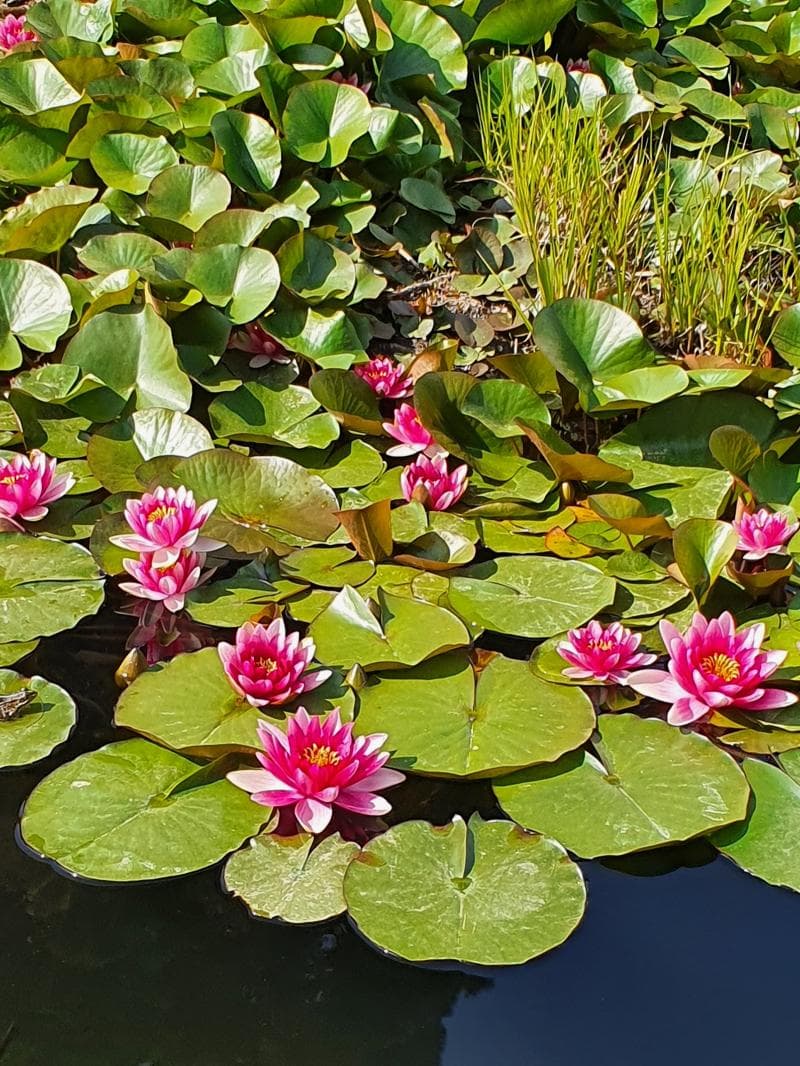
Explore the Botanical Garden of Dushanbe, Tajikistan—a serene oasis boasting diverse flora, rich history, and cultural exhibits.
Overview
The Botanical Garden of Dushanbe, often referred to as Bogi Iram, is a sprawling natural sanctuary nestled in the heart of Dushanbe, Tajikistan. This expansive garden offers a serene escape from the urban hustle, providing visitors with a lush environment filled with diverse plant species from across the globe. Spanning approximately 40 to 43 hectares, it functions not only as a significant botanical research institution but also as a beloved cultural and recreational park for residents and travelers alike.
Situated in the Ismail Somoni district, along the western banks of the Dushanbinka River, the garden is easily accessible and serves as a vibrant green lung for the city. Its central entrance, often marked by an arch with a blue dome in traditional national architectural style, leads into a world of botanical wonders and cultural heritage.
History & Cultural Background
The Botanical Garden has a rich history rooted in scientific endeavor and national development. It was established in Dushanbe in the mid-1930s, around 1933, by Professor B.A. Fedchenko, who led the botany sector of the Tajik base of the Academy of Sciences of the USSR. The initial trees planted by the first employees of the Institute of Botany can still be observed near the entrance, symbolizing its enduring legacy.
Following the formation of the Academy of Sciences of the Tajik SSR in 1951, the garden further developed, with greenhouses constructed in the 1960s to support the Institute of Botany's research. In more recent times, by a decision of the Dushanbe City Hall, the Botanical Garden of the Academy of Sciences of Tajikistan was renamed Bogi 'Iram,' transforming it into a prominent park of culture and recreation for the city's inhabitants.
What Makes It Special
What sets the Botanical Garden apart is its remarkable biodiversity and its unique blend of nature with cultural elements. The garden houses an impressive collection of trees and shrubs from nearly every corner of the world, many of which are rare species included in the Red Book of Nature. It boasts over 8,000 species, forms, and varieties, including more than 2,300 species of trees and shrubs, hundreds of rose varieties, and numerous tropical and subtropical plants.
One of the highlights is a glass greenhouse, often cone-shaped, located at the end of the central alley, which transports visitors to a world of exotic flora. Beyond its botanical appeal, the garden also features an open-air ethnographic reserve, initiated in 2007. Here, visitors can explore traditional houses and farm buildings from various regions of Tajikistan, offering a glimpse into the country's rich architectural and cultural heritage.
Stories, Fun Facts & Local Details
The Botanical Garden is a place rich with local charm and community life. It's a cherished spot where generations of Dushanbe residents have created memories. A notable detail is the presence of trees planted by the garden's founders in the 1930s, standing as living testaments to its long history. The garden is a popular destination for newlyweds, who often come here for wedding photo shoots, especially on weekends, adding to its vibrant atmosphere.
On weekends, the garden frequently hosts exhibitions of local artisans, artists, and businesses, showcasing Tajik craftsmanship and culture. Visitors might also encounter a peacock enclosure, where these exotic birds delight onlookers with their vibrant plumage. The presence of traditional wooden pavilions, some of which host local musical performances on Saturday afternoons, further enriches the cultural experience, offering insights into local traditions.
Visitor Perspective
For the curious traveler, the Botanical Garden of Dushanbe offers a tranquil and engaging experience. Its well-maintained, winding paths invite leisurely strolls, allowing visitors to immerse themselves in the fragrant air and peaceful ambiance. The garden is an excellent spot for nature lovers, birdwatchers, and anyone seeking a break from city life.
Beyond its aesthetic beauty, the garden provides educational opportunities, with many trees labeled in Latin, catering to those interested in botany. It features fitness stations along some central alleys, making it a favorite for those looking to combine a walk with some light exercise. The garden is open during daylight hours, and while there's a small entrance fee, the experience of exploring its diverse flora and cultural exhibits makes it a worthwhile visit. Comfortable shoes are recommended to fully enjoy the extensive grounds.
Coordinates: 68.78052, 38.60375
View on Google Maps💬 How Travelers Describe This Place
Based on community votes
Must See
545Unique
211Photogenic
123Interesting
74Beautiful
20
Traveler Stories
Discover memorable experiences shared by travelers who have visited this place.
No traveler stories yet.
Be the first traveler to share what made this place memorable.
Things to see at Botanical Garden Of Dushanbe



Tour
By
Spot
Discover amazing places around the world. Your journey starts here.
Explore
© 2026 TourBySpot. All rights reserved.