Botanical Garden
Dubrovnik, Croatia
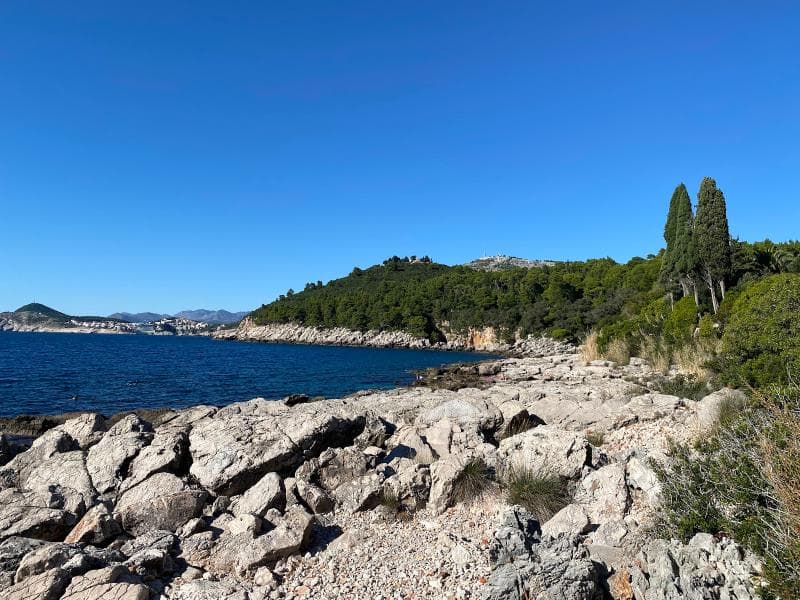
Explore the unique Botanical Garden on Lokrum Island, Dubrovnik, Croatia. Discover diverse exotic plants and rich history.
Overview
Just a short ferry ride from the historic Old City of Dubrovnik, the island of Lokrum offers a tranquil escape, and nestled within its verdant landscape is the Botanical Garden. Known locally as 'Botanički vrt Lokrum', this garden is not a typical manicured showpiece but rather a living scientific collection. It invites curious travelers to explore its diverse flora, providing a serene contrast to Dubrovnik's bustling streets. The garden is an integral part of Lokrum's charm, showcasing a rich tapestry of plants from various climate regions that have found a home on this Adriatic isle.
The Botanical Garden on Lokrum is managed by the Institute for Marine and Coastal Research of the University of Dubrovnik, underscoring its scientific mission. It spans an area of approximately 2 to 3.3 hectares, making it a substantial botanical site. Entry to the garden is typically included with the ferry ticket to Lokrum Island, allowing visitors seamless access to this natural haven.
History & Cultural Background
The botanical legacy of Lokrum Island stretches back centuries, long before the formal establishment of the current Botanical Garden. The island's name itself, 'Lokrum', is believed to derive from the Latin word 'acrumen', meaning 'sour fruit', a nod to the cultivation of lemons and oranges by the Benedictine monks who settled here as early as 1023. These early inhabitants were skilled farmers and initiated the tradition of cultivating exotic plants, surrounding their monastery with orchards and ornamental gardens.
The island's horticultural development received another significant boost in the mid-19th century under Archduke Maximilian Ferdinand of Habsburg. He established a holiday home on Lokrum and meticulously laid out magnificent gardens filled with a wide array of exotic plants. Many of the palm trees and other species seen today on the island were planted during Maximilian's era, contributing to the island's lush, exotic character.
The modern Botanical Garden was formally founded in 1959 by the Croatian Academy of Arts and Sciences, operating under the Biological Institute in Dubrovnik. Its primary purpose was scientific, focusing on the introduction and acclimatization of subtropical plants suited to the local climate. While the garden suffered damage during the Croatian War of Independence in the 1990s, it has since recovered, continuing its vital role in botanical research and preservation.
What Makes It Special
What truly sets the Botanical Garden on Lokrum apart is its unique combination of scientific purpose and natural, untamed beauty. Unlike many perfectly manicured gardens, Lokrum's offers a more organic experience, reflecting its role as a working scientific garden. It boasts an impressive collection of around 800 species of exotic plants, though some sources indicate approximately 500.
Among its most notable collections are a vast assortment of eucalyptuses, including 72 different species, believed to be one of the largest collections outside of Australia. Visitors can also find numerous varieties of palm trees, cacti, and succulents like agave and aloe vera, flourishing in the Mediterranean climate. The focus is largely on plants from arid and subtropical regions, such as Australia and South America, that thrive in similar conditions to Dubrovnik.
The garden's pathways wind through dense vegetation, offering ample shade and a sense of discovery. The air often carries a faint, distinctive scent, adding to the sensory experience of this living laboratory. It provides a peaceful retreat where the scale of some of the trees can be genuinely surprising for such a relatively small island.
Stories, Fun Facts & Local Details
Lokrum Island is steeped in tales and legends, adding layers of mystique to its natural beauty. Perhaps the most famous is the 'curse of Lokrum'. Legend has it that when the Benedictine monks were forced to leave the island in 1808, they placed a powerful curse on anyone who would ever try to own or possess Lokrum. This curse is often cited in local lore, and visitors are sometimes warned not to take anything, even a small stone or a peacock feather, from the island to avoid falling victim to it.
Another intriguing legend involves Richard the Lionheart. According to the story, the English king was shipwrecked near Lokrum in 1192 while returning from the Third Crusade. In gratitude for his safe rescue, he pledged to build a church on the island. However, the wise citizens of Dubrovnik persuaded him to fund the construction of a cathedral in their city instead.
Adding to the island's unique atmosphere are its resident peacocks. These magnificent birds, brought to Lokrum by Archduke Maximilian from the Canary Islands some 150 years ago, roam freely throughout the island, often seen strutting through the Botanical Garden. They are a beloved and iconic part of the Lokrum experience.
Visitor Perspective
Visiting the Botanical Garden is an integral part of a day trip to Lokrum Island. Ferries depart regularly from Dubrovnik's Old City port, offering a scenic 10 to 15-minute journey across the Adriatic. Upon arrival, the garden provides a refreshing contrast to the medieval stone of Dubrovnik, immediately immersing visitors in a lush, green environment.
The paths through the garden are generally easy to navigate for most ambulatory visitors, though some sections may present challenges for those with mobility issues, as it is not a fully paved or manicured space. The quiet ambiance of the garden, even during peak season, offers a peaceful respite from the summer crowds. It's an ideal spot for nature lovers, photographers, and anyone seeking a moment of tranquility. Remember that Lokrum is a protected nature reserve, and visitors are asked to respect its environment by not picking plants, feeding the animals, or removing any natural materials.
Coordinates: 18.121464, 42.625045
View on Google Maps💬 How Travelers Describe This Place
Based on community votes
Interesting
954Must See
946Photogenic
514Beautiful
92Unique
66
Traveler Stories
Discover memorable experiences shared by travelers who have visited this place.
No traveler stories yet.
Be the first traveler to share what made this place memorable.

Tour
By
Spot
Discover amazing places around the world. Your journey starts here.
Explore
© 2026 TourBySpot. All rights reserved.