Botanical Courtyard
Chisinau, Moldova
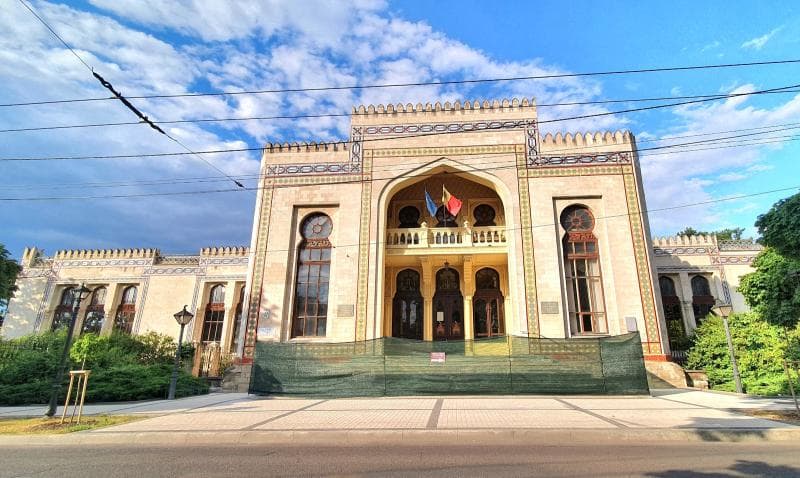
Explore the Botanical Courtyard at the National Museum of Ethnography and Natural History in Chisinau, Moldova. Discover diverse flora, a vivarium, and historical charm.
Overview
Tucked within the venerable walls of the National Museum of Ethnography and Natural History in Chisinau, Moldova, lies a serene and vibrant green space often referred to as the Botanical Courtyard. This tranquil sanctuary, formally known as the Botanical Garden of the museum, serves as a living extension of the museum's extensive natural history collections, offering visitors an immersive experience of Moldova's diverse flora and fauna. It's an indispensable part of the museum's broader mission, showcasing the actual existence of the species detailed in its indoor exhibits. Far more than just a pretty garden, it functions as an open-air classroom and a peaceful retreat, inviting contemplation and discovery amidst the hustle and bustle of the city.
The courtyard, with its carefully curated plant species and the engaging Vivarium, provides a unique blend of ethnographic context and natural beauty. It acts as a bridge between the historical narratives found within the museum building and the natural world they seek to explain. Travelers researching destinations in Chisinau will find this botanical haven a refreshing and insightful stop, complementing their understanding of Moldova's natural heritage and cultural landscape.
History & Cultural Background
The origins of the Botanical Garden within the National Museum of Ethnography and Natural History trace back to the early 20th century, though its site held a park garden even earlier, established in the mid-19th century. Its primary objective was to present, on a smaller scale, the spontaneous flora from all areas of Bessarabia, the historical region encompassing much of modern-day Moldova. This thoughtful design ensured that the museum's educational mission extended beyond its display cases, allowing for direct observation of the natural environment it aimed to preserve and interpret. The garden's enduring presence reflects a deep-seated appreciation for Moldova's natural wealth and a commitment to its study and conservation.
Adding to its historical charm, the Botanical Garden features a wooden pavilion and an elegant fountain, both constructed in 1889 by the distinguished architect Alessandro Bernardazzi. These elements are recognized as architectural monuments of national importance, adding a layer of historical significance to the natural beauty. Over the decades, the garden has been recognized for its ecological and aesthetic value, eventually being declared a monument of landscape architecture and registered among the state-protected natural areas of Moldova.
What Makes It Special
What truly sets the Botanical Courtyard apart is its role as a concentrated microcosm of Moldova's natural biodiversity. Within its approximately 0.75 hectares, it meticulously gathers the most prevalent species of herbaceous plants, trees, and shrubs found across the Republic of Moldova. Visitors can explore distinct sectors representing the nation's primary vegetation types, including forest, steppe, aquatic, and marsh environments. This careful arrangement also highlights rare and endangered plants, underscoring the importance of conservation.
A notable feature that captivates many is the Vivarium, an engaging addition developed between 2000 and 2008 in collaboration with the Foundation for Birds Protection. This dedicated section offers a permanent exhibition of rare, decorative, and exotic birds, as well as various reptiles and fish, providing a dynamic contrast to the botanical exhibits. The presence of trees included on the list of state-protected natural monuments further solidifies the courtyard's unique ecological value and its dedication to safeguarding Moldova's precious natural heritage.
Stories, Fun Facts & Local Details
The Botanical Courtyard isn't just about scientific classification; it's a place where natural history comes alive. Imagine walking through the very ecosystems that once covered much of Bessarabia, feeling a direct connection to the land's ancient past. One might discover, for instance, a rare orchid that grows wild in remote Moldovan forests, now thriving within the protective embrace of the courtyard. The architect Alessandro Bernardazzi, whose work graces many Chisinau landmarks, left his elegant touch on the garden with the 1889 pavilion and fountain, offering a beautiful blend of natural and man-made artistry.
For local children, the Vivarium is often a particular highlight, providing a first-hand encounter with exotic creatures they might otherwise only see in books. It fosters an early appreciation for biodiversity and the interconnectedness of species. The garden also frequently hosts various folklore events and craft exhibitions, connecting the natural world with Moldovan traditions and artistry. These events often feature local artisans and performers, transforming the serene garden into a vibrant cultural hub, brimming with the stories and sounds of Moldova's living heritage.
Visitor Perspective
Stepping into the Botanical Courtyard at the National Museum of Ethnography and Natural History is like entering a tranquil oasis in the heart of Chisinau. It offers a refreshing pause from the indoor exhibits, allowing visitors to breathe fresh air and enjoy the calming presence of nature. The thoughtful layout and clear signage make it easy to navigate, whether you're a casual stroller or a keen botanist seeking specific species. The integration of the Vivarium adds an element of surprise and delight, particularly for families, creating a multi-sensory experience that appeals to all ages.
Visitors often describe the courtyard as a peaceful complement to the rich historical and ethnographic displays inside the museum. It provides a deeper understanding of Moldova's natural environment and the traditional ways of life that have been shaped by it. The ability to witness both native Moldovan flora and exotic fauna in one location makes it a particularly rewarding visit. It's a place for quiet reflection, for learning, and for simply enjoying the beauty of the natural world, reinforcing the museum's role as a comprehensive interpreter of Moldova's unique identity.
Coordinates: 28.81985, 47.02327
View on Google Maps💬 How Travelers Describe This Place
Based on community votes
Must See
545Unique
211Photogenic
123Interesting
74Beautiful
20
Traveler Stories
Discover memorable experiences shared by travelers who have visited this place.
No traveler stories yet.
Be the first traveler to share what made this place memorable.

Tour
By
Spot
Discover amazing places around the world. Your journey starts here.
Explore
© 2026 TourBySpot. All rights reserved.