Bokar Fortress
Dubrovnik, Croatia
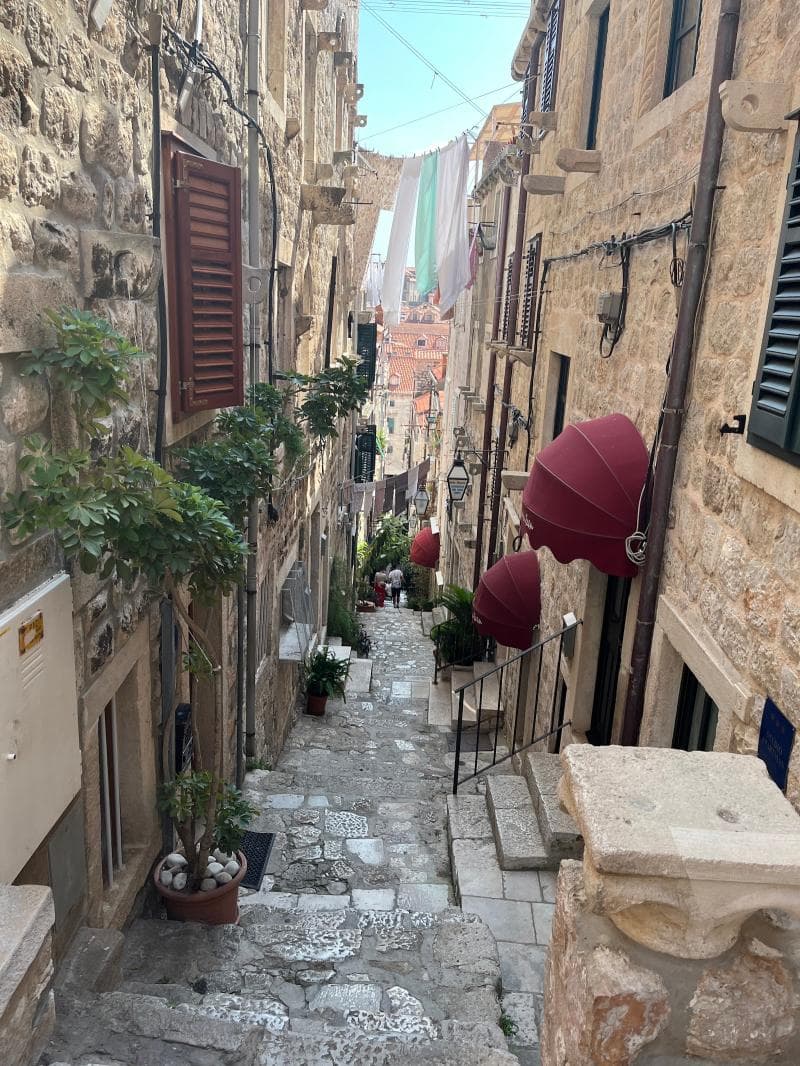
Explore Bokar Fortress, a historic 15th-century stronghold within Dubrovnik's City Walls, Croatia. Discover its unique architecture, strategic past, and stunning Adriatic views.
Overview
Perched majestically at the southwestern corner of Dubrovnik's iconic City Walls, Bokar Fortress stands as a testament to the city's enduring resilience and architectural brilliance. This formidable two-story, casemated stronghold, often referred to as 'Zvjezdan' or the Star Tower, is one of the most distinctive features of Dubrovnik's elaborate defensive system. Its rounded, almost cylindrical shape, protruding dramatically from the medieval walls, commands attention as it guards the strategically vital Pile Gate and the western approaches to the Old Town. Built predominantly from local limestone, Bokar Fortress is a prime example of functional and harmonious fortification architecture, designed not only for defense but also to awe and inspire.
History & Cultural Background
The construction of Bokar Fortress commenced in 1461, following the innovative designs of the renowned Florentine architect Michelozzo di Bartolomeo. Michelozzo, a pioneer of Renaissance architecture, was instrumental in shaping several key elements of Dubrovnik's fortifications. Historical records indicate that cannon testing was already underway by 1463, underscoring the urgency of its defensive purpose. However, the completion of the fortress was a prolonged endeavor, with debates on its necessity continuing even into 1470. Significant upgrades and its final form were achieved by 1570, partly through the contributions of military engineer Antonio Ferramolino. Bokar's innovative design as a two-story casemate fortress makes it one of Europe's oldest examples of such fortifications, conceived to withstand the evolving tactics of warfare, particularly cannon fire.
What Makes It Special
What sets Bokar Fortress apart is its remarkable blend of aesthetic beauty and unparalleled defensive engineering. It is widely praised as one of the finest examples of 'harmonious and functional fortification architecture'. Its robust, rounded design, with walls up to six meters thick, was specifically engineered to deflect cannon fire, a revolutionary concept for its time. A fascinating aspect of its construction is that a portion of the fort is built upon a detached rock, with the sea still passing beneath arched supports, just as it did centuries ago. This ingenious placement not only enhanced its defensive capabilities but also created a visually striking integration with the natural coastal landscape. Bokar worked in conjunction with the formidable Fort Lovrijenac, located on a nearby rock across Kolorina Bay, forming an impenetrable defensive line that protected the city from both naval and land attacks.
Stories, Fun Facts & Local Details
Bokar Fortress carries a rich tapestry of stories and intriguing details. Its alternative name, 'Zvjezdan,' meaning 'starry' in Serbo-Croat, is said to evoke the magnificent, light pollution-free night skies visible from its ramparts, gazing out over the Adriatic Sea. Beyond its historical significance, Bokar has found a place in modern popular culture, serving as a memorable filming location for the hit HBO series 'Game of Thrones.' Fans of the show might recognize it from scenes set in King's Landing, notably in seasons two and three. Historically, in addition to its defensive role, the fort served a surprising purpose as a prison during the 19th century. The fort's interior, accessible to visitors, showcases several antique cannons and a small collection of precious stones. An impressive feature, though not always highlighted, is a secret underground passage that connected Bokar to other parts of Dubrovnik's defensive network, used for transporting supplies and troops when above-ground movement was too risky. Today, the fort continues its cultural legacy by hosting performances during the prestigious Dubrovnik Summer Festival, transforming its ancient spaces into vibrant stages.
Visitor Perspective
Visiting Bokar Fortress offers a profound journey into Dubrovnik's storied past. Access to the fortress is typically gained by exploring the wider City Walls, providing a comprehensive experience of the city's fortifications. As you walk along the ramparts, Bokar emerges as a pivotal point, offering breathtaking panoramic views. From its vantage points, visitors can admire the intricate terracotta rooftops of Dubrovnik's Old Town, the shimmering expanse of the Adriatic Sea, and the imposing presence of Fort Lovrijenac across the bay. Exploring the interior allows for an appreciation of its robust construction and historical exhibits. For those seeking a more serene experience, considering a visit during the quieter shoulder seasons of spring or autumn is advisable to avoid the peak summer crowds. Bokar Fortress is more than just a structure; it's a window into the strategic brilliance and cultural richness that defined the Republic of Dubrovnik.
Coordinates: 18.10624, 42.64094
View on Google Maps💬 How Travelers Describe This Place
Based on community votes
Must See
896Photogenic
585Unique
550Interesting
56Beautiful
28
Traveler Stories
Discover memorable experiences shared by travelers who have visited this place.
No traveler stories yet.
Be the first traveler to share what made this place memorable.

Tour
By
Spot
Discover amazing places around the world. Your journey starts here.
Explore
© 2026 TourBySpot. All rights reserved.