Bishop’s Palace Connection
Ljubljana, Slovenia
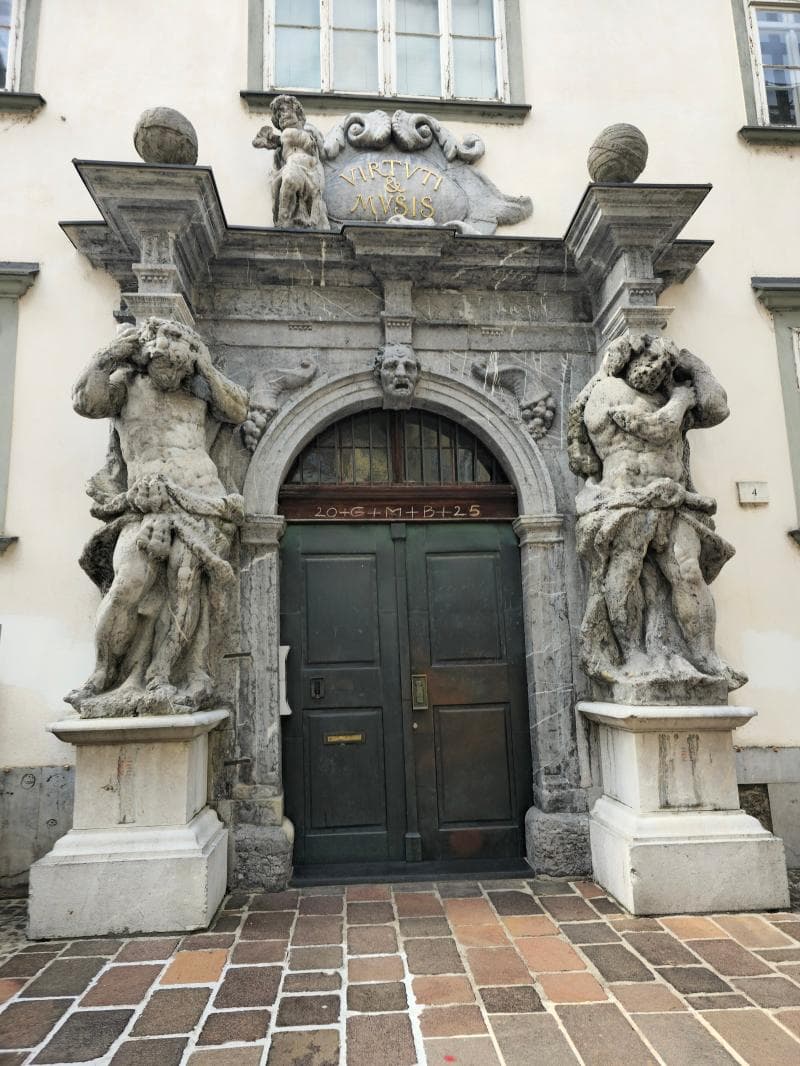
Explore the historical Bishop's Palace Connection at St. Nicholas's Cathedral in Ljubljana, Slovenia, revealing centuries of ecclesiastical ties.
Overview
Stepping into St. Nicholas's Cathedral in Ljubljana, Slovenia, visitors are immediately enveloped by its Baroque splendor, a testament to centuries of rich history and spiritual devotion. Beyond its magnificent frescoes and grand altars lies a deeper historical thread: the Bishop’s Palace Connection. This intriguing sub-spot, while not a modern architectural marvel, speaks to the cathedral's profound past, serving as a reminder of its role as the ecclesiastical heart of Ljubljana and its close ties to the local bishopric. Understanding this connection enriches the experience, revealing how the cathedral's physical form and spiritual significance evolved over time, always intertwined with the nearby Bishop's Palace.
Today, the Bishop's Palace stands adjacent to the cathedral, a silent witness to their shared heritage. While the direct physical link of a former 'upper church' gallery may be lost to history's rebuilds, the administrative and spiritual connection remains palpable, anchoring the cathedral firmly in Ljubljana's historical narrative.
History & Cultural Background
The site of St. Nicholas's Cathedral boasts a history stretching back to a Romanesque church first mentioned in 1262. This early structure underwent significant transformation, particularly after a devastating fire in 1361, leading to its rebuilding in the Gothic style.
A pivotal moment arrived in 1461 with the establishment of the Ljubljana Diocese, elevating the church to cathedral status. This change brought with it increased prominence and a closer relationship with the Bishop's residence. During this Gothic period, the cathedral featured a unique architectural element known as an 'upper church' or gallery. This gallery provided a direct, private connection to the episcopal palace situated next door, allowing the bishop and his retinue convenient access to the cathedral for services and ceremonies.
However, another fire in 1469, suspected to be arson, destroyed the Gothic cathedral. The present-day Baroque masterpiece, designed by Andrea Pozzo, began construction in 1701 and was largely completed by 1706, fundamentally altering the cathedral's layout and appearance. While this reconstruction brought unparalleled artistic grandeur, it replaced the earlier Gothic structures and, presumably, the specific architectural manifestation of the 'upper church' connection.
What Makes It Special
The 'Bishop’s Palace Connection' is special because it represents more than just a physical passageway; it embodies the historical intertwining of religious authority and sacred space in Ljubljana. In its Gothic incarnation, the gallery from the episcopal palace into the 'upper church' symbolized the bishop's integral role and constant presence within the cathedral's spiritual life. It highlighted a time when the cathedral served not just as a place of worship for the populace, but also as a direct extension of the bishop's administrative and personal domain.
Even though the current Baroque cathedral no longer features this specific architectural link in the same form, the legacy of this connection persists. The close proximity of the contemporary Bishop's Palace to the cathedral reinforces this enduring relationship, marking the area as the historical and ongoing spiritual center of the city. It tells a story of power, piety, and the meticulous planning that went into creating an integrated ecclesiastical complex, shaping the very urban fabric around it. This historical arrangement speaks volumes about the societal structure and the centrality of the church in medieval and early modern Ljubljana.
Stories, Fun Facts & Local Details
While the direct 'upper church' gallery is a feature of the past, its story paints a vivid picture of medieval Ljubljana. Imagine the Bishop, perhaps processing directly from his residence into a private gallery overlooking the main altar, observing the congregation below. This direct link wasn't merely practical; it underscored the Bishop's spiritual authority and his role as a shepherd to his flock, literally connecting his home to his spiritual duties. It's a testament to the historical architectural ingenuity that allowed for such an integrated ecclesiastical campus.
A modern echo of this enduring episcopal connection can be found in the cathedral's celebrated bronze doors, added in 1996. The side door, known as the Ljubljana Door, features portraits of 20th-century bishops of Ljubljana, symbolizing the continuous lineage and importance of the bishopric to the cathedral's identity and the city's religious life. This artistic detail, while distinct from the historical gallery, serves as a contemporary nod to the enduring relationship between the cathedral and its bishops, keeping the spirit of the 'Bishop's Palace Connection' alive for today's visitors.
Visitor Perspective
For the curious traveler, encountering the Bishop’s Palace Connection today means appreciating its historical context rather than expecting a literal, accessible passageway. As you approach St. Nicholas's Cathedral, observe its strategic placement immediately next to the Bishop's Palace. This adjacency alone is a powerful visual cue, hinting at centuries of shared history and mutual influence.
When inside the magnificent Baroque interior, reflect on the layers of history beneath your feet. The guides and informative plaques often elaborate on the cathedral's evolution, including details about its Gothic predecessors. While you won't walk through the 'upper church' gallery, knowing it once existed allows you to envision the cathedral as a dynamic space, constantly adapting yet always maintaining its core function as the seat of the Bishop. It transforms a mere architectural visit into an immersive journey through time, encouraging a deeper understanding of Ljubljana’s ecclesiastical heritage and the symbolic bond between the cathedral and its episcopal leadership.
Coordinates: 14.508714, 46.050914
View on Google Maps💬 How Travelers Describe This Place
Based on community votes
Unique
804Interesting
733Beautiful
563Photogenic
404Must See
63
Traveler Stories
Discover memorable experiences shared by travelers who have visited this place.
No traveler stories yet.
Be the first traveler to share what made this place memorable.

Tour
By
Spot
Discover amazing places around the world. Your journey starts here.
Explore
© 2026 TourBySpot. All rights reserved.