Benches
Bishkek, Kyrgyzstan
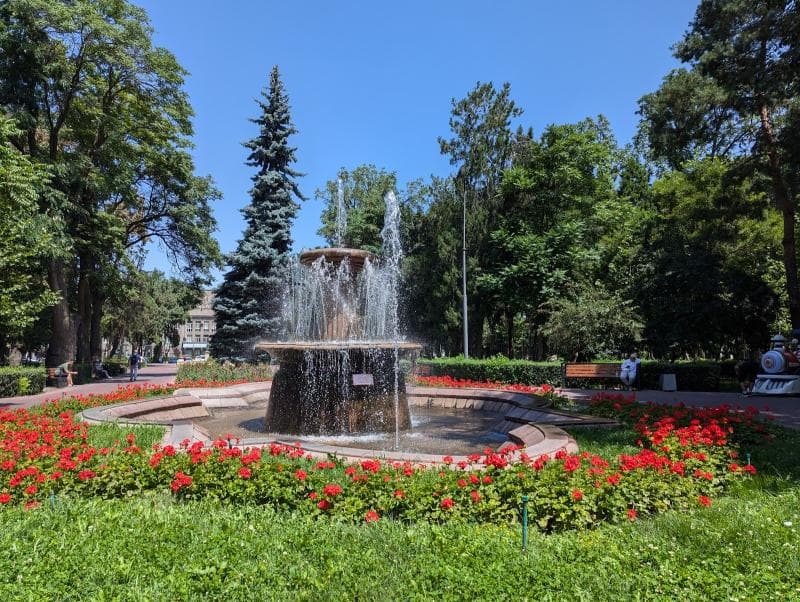
Discover the tranquil Oak Park in Bishkek, Kyrgyzstan, where historic trees, open-air sculptures, and inviting benches offer a peaceful urban escape.
Overview
Nestled in the heart of Bishkek, Kyrgyzstan, Oak Park – locally known as Dubovy Park – offers a verdant sanctuary where time seems to slow down. While not a single designated landmark, the numerous benches scattered throughout this historic park serve as silent witnesses to daily life and provide countless opportunities for quiet contemplation. This beloved green space invites visitors to pause, breathe, and immerse themselves in a blend of nature, art, and local culture. It is a vibrant hub for both residents and curious travelers seeking a peaceful escape from the city's rhythm, making the simple act of sitting on a bench here a meaningful experience.
History & Cultural Background
Oak Park is one of Bishkek's oldest and most significant parks, with its roots stretching back to 1890. The initial planting of oak trees was led by Russian botanist Alexei Fetisov and students from an agricultural school, creating a lasting legacy of greenery that still thrives today. Originally established around the former St. Nicholas Church, which now houses an art gallery, the park has evolved significantly. In 2010, the park was officially renamed in honor of the renowned writer Chingiz Aitmatov, though it is still widely known by its original name, Oak Park. A pivotal moment in its history was the All-Union Sculptors Symposium held in 1984 in Frunze (Bishkek's former name). Sculptors from across the Soviet Union gathered to create works centered on the theme 'Work and Peace,' in celebration of the 60th anniversary of the Kirghiz Autonomous Oblast. These sculptures remained, forming an impressive open-air museum that has grown to include over 90 pieces. The park also holds historical significance as the burial site for Red Army soldiers who died in 1919, with a monument and eternal flame commemorating fallen heroes.
What Makes It Special
Oak Park's unique charm lies in its harmonious blend of historical depth, natural beauty, and artistic expression. The ancient oak trees, many as old as the city itself, provide a refreshing canopy that offers respite from the summer heat and a picturesque landscape in autumn. The park's open-air sculpture museum is a particular highlight, featuring a diverse collection of artwork that changes in appearance with the shifting light and seasons. From the 'Tree of Life' sculpture symbolizing unity to the monument of Kyrgyz Queen Kurmanjan Datka, these artistic installations invite visitors to engage with Kyrgyzstan's rich heritage and creative spirit. The presence of countless benches throughout the park enhances this experience, offering inviting spots to sit, reflect, and appreciate the surrounding beauty, whether it's observing the intricate details of a sculpture or simply enjoying the tranquil atmosphere.
Stories, Fun Facts & Local Details
For Bishkek residents, Oak Park is more than just a green space; it's a cherished part of their daily lives and a repository of shared memories. It's common to see locals enjoying leisurely strolls, families having picnics, and children playing amongst the trees and sculptures. The park's benches often become impromptu gathering spots for friends catching up, students reading, or couples enjoying a quiet moment away from the city's bustle. These simple seating areas facilitate countless personal stories and observations of local life. Vendors sometimes display and sell locally themed paintings, adding to the park's artistic vibe. The fact that locals still predominantly refer to it as Oak Park, despite its official renaming to Chingiz Aitmatov Park, speaks volumes about its enduring identity and the affection it holds in the community's heart. The park's ability to offer both active engagement with its art and quiet corners for reflection makes it a dynamic and comforting urban oasis.
Visitor Perspective
As a curious traveler, stepping into Oak Park feels like entering a living museum and a community garden rolled into one. The sheer number of venerable oak trees creates a serene, almost timeless atmosphere, making it easy to forget the bustling city just beyond its borders. The benches, seemingly insignificant elements, become central to the experience. They offer vantage points from which to absorb the artistic narratives of the open-air sculptures, observe the rhythm of local life, or simply enjoy a moment of peaceful solitude. Whether you're admiring the 'Twelve-Bowl Fountain,' exploring the historical monuments, or watching artists at work, a nearby bench provides the perfect opportunity to pause and process your surroundings. The park is an ideal destination for those who appreciate nature, history, and art, offering a genuine glimpse into Bishkek's soul. It's a place to linger, to observe, and to feel connected to the spirit of Kyrgyzstan, all from the comfortable perch of a park bench.
Coordinates: 74.59, 42.87
View on Google Maps💬 How Travelers Describe This Place
Based on community votes
Must See
995Unique
839Beautiful
388Interesting
289Photogenic
141
Traveler Stories
Discover memorable experiences shared by travelers who have visited this place.
No traveler stories yet.
Be the first traveler to share what made this place memorable.

Tour
By
Spot
Discover amazing places around the world. Your journey starts here.
Explore
© 2026 TourBySpot. All rights reserved.