Ben Duoc Section
Ho Chi Minh City, Vietnam
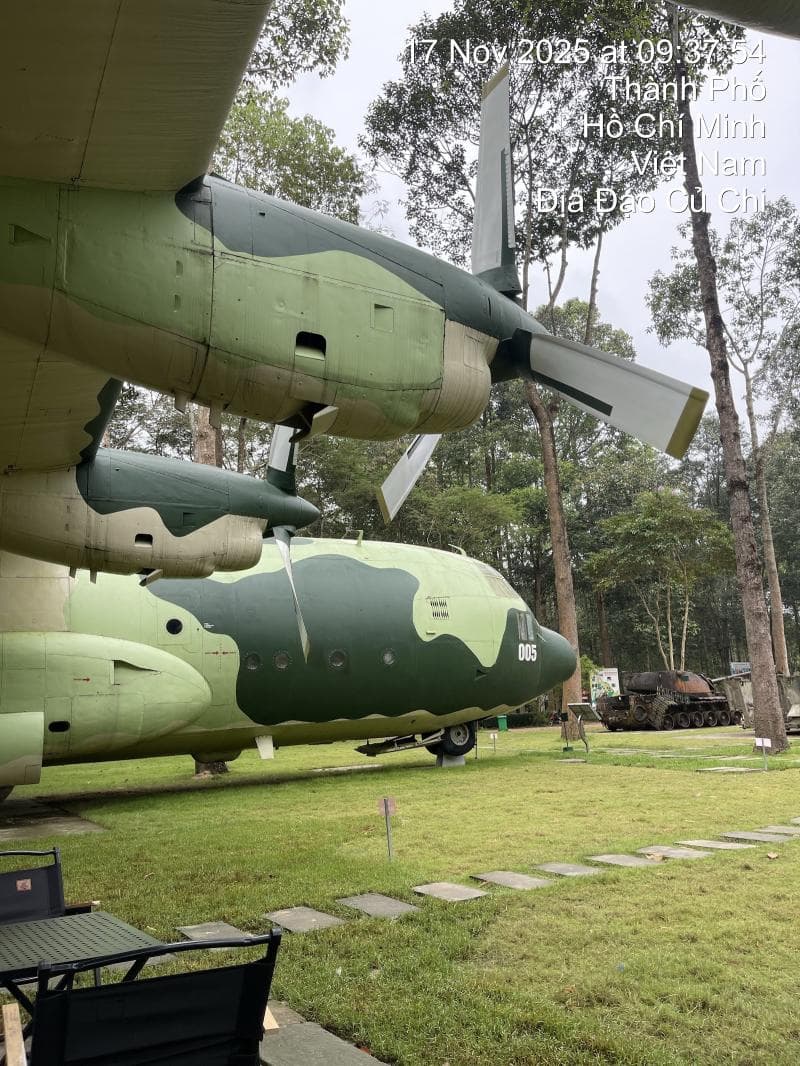
Explore Ben Duoc Section of Cu Chi Tunnels in Ho Chi Minh City, Vietnam. Discover authentic, less crowded tunnels, historical context, and wartime resilience.
Overview
The Ben Duoc Section, nestled within the sprawling Cu Chi Tunnels network outside Ho Chi Minh City, Vietnam, offers visitors an authentic and profoundly moving journey into a pivotal chapter of history. Situated further from the bustling city center, approximately 40 to 70 kilometers northwest of Ho Chi Minh City, Ben Duoc is widely recognized for providing a more serene and less commercialized experience compared to its counterpart, Ben Dinh. This area preserves original, unaltered tunnel passages, allowing for a genuine immersion into the conditions faced by those who lived and fought underground during the Indochina and Vietnam Wars.
A visit to Ben Duoc is an exploration of incredible human ingenuity and resilience. It serves not merely as a historical site but as a powerful symbol of the Vietnamese spirit, presenting a comprehensive look at the Cu Chi Tunnels' strategic importance and the daily lives of the soldiers and civilians who relied on them.
History & Cultural Background
The Cu Chi Tunnels, a vast underground labyrinth, began their development as early as 1948 during the resistance against French colonial rule, primarily for hiding weapons and documents and sheltering personnel. However, it was during the Vietnam War (referred to in Vietnam as the American War) that this network expanded dramatically, stretching over 250 kilometers at its peak. The tunnels evolved into an intricate underground city, complete with living quarters, kitchens, hospitals, storage facilities, and command centers.
The Ben Duoc Section specifically served as a crucial strategic base, acting as the headquarters for the regional leadership and the Saigon-Gia Dinh Party Committee. This area was instrumental in planning significant military strategies, including the successful offensive at the beginning of 1968. The tunnels were designed to withstand heavy bombardments and featured blocking points, booby traps, and hidden entrances, demonstrating the extraordinary resourcefulness and determination of the Vietnamese people in the face of overwhelming odds.
What Makes It Special
What sets the Ben Duoc Section apart is its commitment to authenticity and its less crowded atmosphere, offering a deeper, more reflective experience. Unlike the Ben Dinh tunnels, which have been widened and made more accessible for larger tourist groups, Ben Duoc maintains narrower, more original tunnel dimensions, providing a truer sense of the conditions endured by its wartime inhabitants.
Beyond the tunnels themselves, Ben Duoc encompasses a broader historical and memorial complex. Visitors can explore the Cu Chi Tunnels Memorial, a solemn place to pay respects to those who lost their lives in the region. There is also a reconstructed 'liberated area simulation zone' that illustrates daily life and combat activities between 1961 and 1972, offering a vivid glimpse into the past. This less commercialized setting allows for a more tranquil and personal connection with the history, free from the distractions of larger crowds.
Stories, Fun Facts & Local Details
Life within the Cu Chi Tunnels was a testament to human endurance and ingenuity. Soldiers and civilians alike lived for extended periods underground, developing unique methods for survival. One fascinating detail is the 'Hoang Cam smokeless stove,' designed to disperse smoke through long, intricate flues before releasing it discreetly away from the kitchen, making it nearly impossible for enemy forces to detect from above.
The tunnels housed elaborate systems, including sleeping quarters, meeting rooms, and even makeshift hospitals. Visitors can see various types of booby traps – from hidden spike pits to swinging traps – showcasing the defensive measures used to protect the network. A common wartime meal, tapioca (cassava) served with tea, is often offered to visitors, providing a taste of the simple, yet vital, sustenance that sustained the tunnel inhabitants. For those seeking an additional thrill, an optional shooting range allows visitors to fire historical weapons like the AK-47, offering a visceral, albeit simulated, experience of wartime conditions.
Visitor Perspective
Exploring the Ben Duoc Section is an unforgettable and often profound experience. The journey typically begins with an introductory documentary, setting the historical context before venturing into the underground world. Guided tours lead visitors through camouflaged trapdoors and narrow, winding passages. Crawling through sections of the tunnels, often tight and dark, can be physically demanding and even claustrophobic for some, but it offers a tangible connection to the past. Many visitors find this physical challenge humbling, gaining a deep appreciation for the soldiers who navigated these spaces daily.
Knowledgeable guides, some with personal or familial connections to the war, enrich the experience with poignant stories and details that bring the history to life. It's recommended to wear comfortable clothing and shoes, as the tunnels can be dusty in the dry season and muddy in the wet season. While the Ben Duoc site is farther from Ho Chi Minh City, requiring a slightly longer travel time (around 2 hours), the reward is a less crowded, more authentic, and deeply moving historical exploration that resonates long after you emerge from the depths.
Coordinates: 106.46321, 11.14325
View on Google Maps💬 How Travelers Describe This Place
Based on community votes
Interesting
847Unique
685Photogenic
513Beautiful
433Must See
211
Traveler Stories
Discover memorable experiences shared by travelers who have visited this place.
No traveler stories yet.
Be the first traveler to share what made this place memorable.

Tour
By
Spot
Discover amazing places around the world. Your journey starts here.
Explore
© 2026 TourBySpot. All rights reserved.