Ben Dinh Section
Ho Chi Minh City, Vietnam
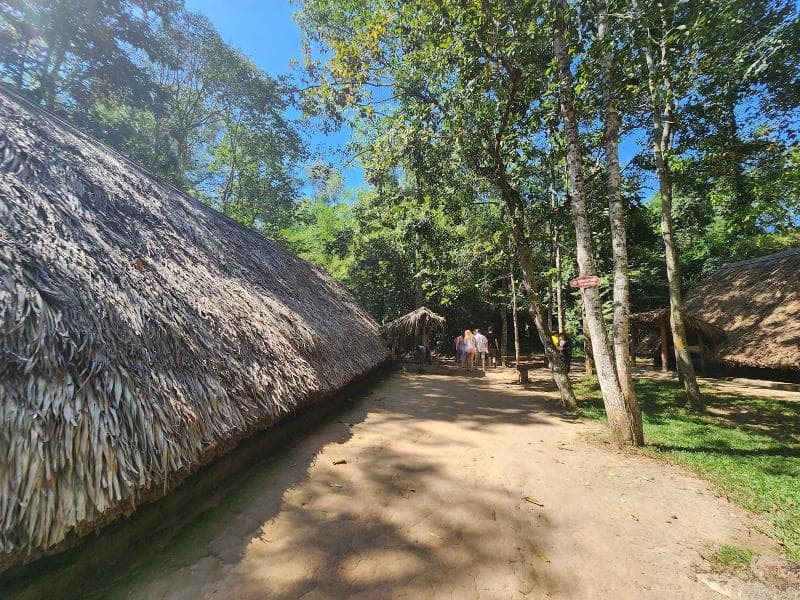
Explore the Ben Dinh Section of Cu Chi Tunnels in Ho Chi Minh City, Vietnam. Delve into historical underground networks, discover wartime ingenuity, and gain a profound visitor perspective.
Overview
Nestled about 50 kilometers northwest of Ho Chi Minh City, the Ben Dinh Section of the Cu Chi Tunnels offers a compelling journey into Vietnam's wartime past. This remarkable underground network, a smaller but highly accessible part of the vast Cu Chi Tunnels system, served as a crucial operational base for the Viet Cong during the Vietnam War. Unlike its more rustic counterpart, Ben Duoc, the Ben Dinh site has been thoughtfully adapted to provide a comfortable and insightful experience for visitors of all ages, making it a popular choice for those seeking a concise yet profound historical immersion. [2, 17, 45]
Visitors to Ben Dinh can explore a labyrinth of tunnels that once housed living quarters, command centers, hospitals, and weapons caches. The site provides a tangible sense of the resilience and ingenuity of the Vietnamese people who lived and fought beneath the surface. [3, 4] It's an opportunity to walk, and even crawl, through sections of these historic passageways, gaining a unique perspective on the challenging conditions faced by soldiers and civilians alike. [4]
History & Cultural Background
The Cu Chi Tunnels, including the Ben Dinh section, have roots dating back to 1948, initially constructed during the resistance against French colonizers. [3, 19] However, their extensive development and strategic importance escalated dramatically during the Vietnam War (referred to in Vietnam as the American War). [3, 17, 45] Ben Dinh, specifically, functioned as a district leadership base for Cu Chi, playing a pivotal role in the local resistance efforts. [5, 23] Its proximity to the Saigon River also offered a critical escape route for soldiers during enemy sweeps. [3, 21]
Built almost entirely by hand with rudimentary tools like hoes and shovels, the creation of these tunnels is a testament to the indomitable spirit and resourcefulness of the Vietnamese people. [3, 28] The network evolved into an underground city, allowing guerrilla fighters to evade enemy forces, transport supplies, receive medical treatment, and launch surprise attacks. [17] The sheer scale and complexity of the tunnels, stretching over 250 kilometers in their original form, highlight a remarkable feat of engineering and human determination against overwhelming odds. [17, 20]
What Makes It Special
What sets the Ben Dinh Section apart is its blend of historical authenticity and visitor accessibility. While the tunnels originally were very narrow, some sections at Ben Dinh have been carefully widened and illuminated to accommodate a wider range of visitors, ensuring a more comfortable exploration without compromising the historical context. [2, 8, 17] This adaptation makes it particularly suitable for first-time visitors and families. [2]
Beyond the tunnels themselves, Ben Dinh offers a comprehensive educational experience. The site features various exhibits, including camouflaged trapdoors, booby traps made from bamboo, and intricate ventilation systems, all demonstrated to illustrate the Viet Cong's clever tactics and survival strategies. [4, 31] Visitors can observe a tank body in the woods, bomb craters, and learn about the ingenious construction of facilities like hidden kitchens. [6, 31] The Ben Dinh site effectively balances the solemnity of its history with engaging displays that bring the past to life. [2, 4]
Stories, Fun Facts & Local Details
Life within the Cu Chi Tunnels was incredibly harsh, a reality that deepens appreciation for the ingenuity displayed. One fascinating detail is the 'Hoang Cam stove,' a smokeless kitchen designed to disperse smoke underground, preventing detection by overhead enemy aircraft. [22, 31] This clever innovation allowed soldiers and civilians to cook meals without revealing their positions. Visitors often have the chance to taste boiled cassava, a staple food for the Vietnamese soldiers during the war, offering a small, tangible connection to their daily struggles. [5, 16, 31]
The resourcefulness extended to everyday items; for instance, broken tires were recycled to make durable rubber shoes for the fighters. [6] A popular, albeit modern, addition at Ben Dinh is the shooting range, where visitors can experience firing historical weapons like AK-47s or M16s under supervision, providing a powerful, if simulated, insight into the sounds of conflict. [3, 4, 16, 21] The sheer human effort involved in digging hundreds of kilometers of tunnels by hand, often under constant threat of bombardment, remains a staggering testament to the determination of the Cu Chi people. [3, 28]
Visitor Perspective
A visit to Ben Dinh typically begins with an introductory film, providing essential historical context and an overview of the tunnels' construction and significance. [5, 31] Guided tours lead visitors through the forested area, pointing out hidden entrances, bunkers, and various booby traps. [4, 15] The highlight for many is the opportunity to crawl through sections of the tunnels. While these sections are often widened for comfort, they still offer a profound sense of the cramped and challenging conditions that existed. [8, 18] It's an experience that can be physically demanding and is not recommended for those with claustrophobia or mobility issues. [12]
After exploring the underground world, visitors can explore reconstructed living areas, command posts, and medical facilities, visualizing the full scope of life beneath the surface. [21] There are also opportunities to try local snacks, visit souvenir shops, and reflect on the immense human cost of war at this significant historical site. [16, 31] Ben Dinh is designed to be an accessible and informative memorial, ensuring that the stories of courage and perseverance from the Cu Chi Tunnels continue to resonate with a global audience. [2, 28]
Coordinates: 106.495, 11.047
View on Google Maps💬 How Travelers Describe This Place
Based on community votes
Beautiful
921Interesting
831Unique
232Photogenic
211Must See
147
Traveler Stories
Discover memorable experiences shared by travelers who have visited this place.
No traveler stories yet.
Be the first traveler to share what made this place memorable.

Tour
By
Spot
Discover amazing places around the world. Your journey starts here.
Explore
© 2026 TourBySpot. All rights reserved.