Bell Towers
Tallinn, Estonia
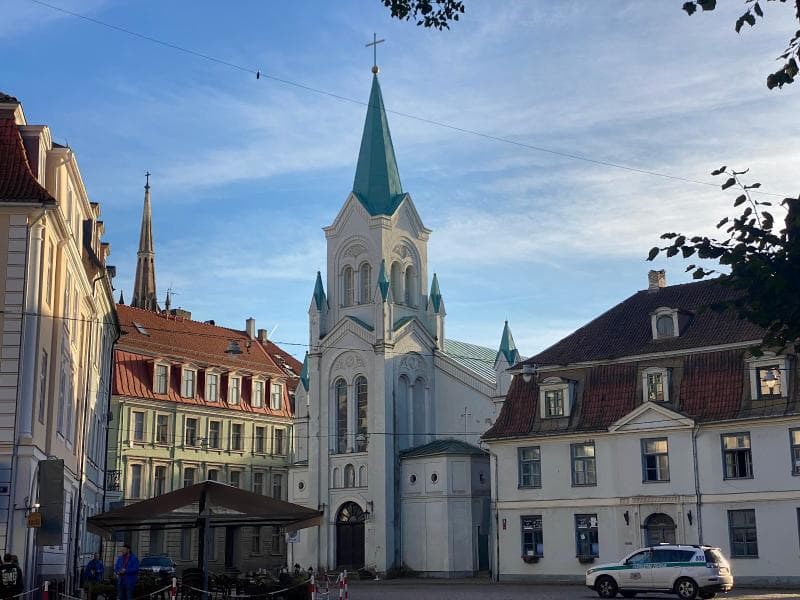
Discover the majestic Bell Towers of Alexander Nevsky Cathedral in Tallinn, Estonia. Home to 11 historic bells, including a 15-ton giant, their chimes echo across Toompea Hill.
Overview
Perched majestically atop Toompea Hill in Tallinn, Estonia, the Alexander Nevsky Cathedral is an iconic landmark, instantly recognizable by its distinctive onion domes and ornate facade. While the cathedral's overall grandeur captivates many, a particular feature that resonates deeply with visitors and locals alike are its formidable bell towers. These towers are not merely architectural adornments; they house a magnificent ensemble of eleven bells, forming the largest collection of church bells in Tallinn. Their powerful and melodious chimes, particularly noticeable during church holidays and before services, contribute significantly to the city's unique soundscape, echoing across the historic Old Town.
The Alexander Nevsky Cathedral itself is a stunning example of Russian Revival architecture, designed by Mikhail Preobrazhensky and completed in 1900. It stands as a vibrant center for the Estonian Orthodox Church of the Moscow Patriarchate, welcoming worshippers and curious travelers who come to admire its spiritual and historical significance. Visiting these bell towers, even if only through their resonant music, offers a profound connection to the cathedral's enduring legacy and Tallinn's layered past.
History & Cultural Background
The history of the Alexander Nevsky Cathedral, and by extension its bell towers, is deeply intertwined with Estonia's complex past. Construction began in 1894 and concluded in 1900, a period when Estonia was under the rule of the Russian Empire. The cathedral was commissioned as a symbol of imperial Russian power and the Orthodox faith, situated deliberately opposite Toompea Castle, the seat of Estonian governance. This placement, intended to assert dominance, contributed to its controversial standing among many Estonians, particularly after the nation gained independence. For some, it represented a painful reminder of Russification and foreign rule.
Despite this contentious beginning, and even calls for its demolition in the interwar period, the cathedral persevered, thanks in part to the strong opposition from the Orthodox community. Today, it has transcended its origins to become an integral part of Tallinn's cultural and architectural fabric, symbolizing resilience and the diverse historical influences that have shaped the city. The bells themselves, cast in Saint Petersburg, were a testament to the Russian Empire's craftsmanship and its intention to establish a lasting presence in the region.
What Makes It Special
The bell towers of the Alexander Nevsky Cathedral are remarkable not only for their visual prominence but also for the impressive collection they house. With eleven bells in total, they constitute the most powerful and largest ensemble of church bells in Tallinn. The crown jewel of this collection is a colossal bell, weighing an astonishing 15 tons, with some sources suggesting it's closer to 16 or even nearly 18 tons. This immense size alone makes it one of the largest bells in the Baltic region, a true marvel of engineering and artistry from the late 19th century.
The meticulous restoration efforts following Estonia's regained independence in 1991 ensured that these bells, and the cathedral as a whole, were preserved and maintained to their original glory. Their deep, resonant tones create a spiritual and atmospheric backdrop for Toompea Hill, offering a powerful sensory experience that connects visitors to centuries of Orthodox tradition and Estonian heritage. The distinct sound of these bells is a defining characteristic of Tallinn's Old Town, adding a layer of auditory splendor to its visual charm.
Stories, Fun Facts & Local Details
One fascinating detail about the bells is how they were originally installed. Historical accounts tell of 500 soldiers using ropes to hoist these massive bells into the church tower, a monumental undertaking that highlights the engineering challenges and human effort involved in the cathedral's construction. Imagine the sight and sound of such a feat unfolding on Toompea Hill over a century ago! The largest bell, along with its companions, was crafted in Saint Petersburg, a testament to the advanced bell-making foundries of the Russian Empire.
The cathedral's location on Toompea Hill is also steeped in local lore. Estonian folklore suggests that Toompea Hill is the burial mound of Kalev, a mythical giant king and the legendary founding father of Estonia. Building the cathedral on this sacred site added another layer of cultural and historical tension, further illustrating the complex narrative woven into its very foundations. While the bells predominantly ring in Church Slavonic tradition, their sound transcends language and faith, becoming a shared cultural experience for all who visit Tallinn. Hearing the full carillon before services is a powerful, almost transportive, experience, offering a glimpse into the enduring spiritual life of the cathedral.
Visitor Perspective
For a curious traveler, experiencing the bell towers of Alexander Nevsky Cathedral is often an auditory journey. While access to the actual bell chambers might be restricted for safety and preservation, the impact of their sound is freely accessible. To fully appreciate their majesty, try to time your visit to coincide with a religious service or major Orthodox holiday. At these times, the entire ensemble of eleven bells rings out, filling the air with a rich, complex melody that is both solemn and inspiring. The sound carries far, creating a powerful sense of place and history.
Even when silent, the bell towers contribute significantly to the cathedral's striking exterior, a key component of its Russian Revival architecture with the iconic onion domes. They stand as a visible testament to the cathedral's grandeur and its historical narrative, contrasting with the medieval aesthetic of much of Tallinn's Old Town. Standing on Toompea Hill, gazing up at these towers and imagining the immense bells within, provides a moment of reflection on the many stories and eras that have shaped this remarkable Estonian capital.
Coordinates: 24.7369, 59.4348
View on Google Maps💬 How Travelers Describe This Place
Based on community votes
Interesting
836Photogenic
797Unique
255Must See
231Beautiful
86
Traveler Stories
Discover memorable experiences shared by travelers who have visited this place.
No traveler stories yet.
Be the first traveler to share what made this place memorable.

Tour
By
Spot
Discover amazing places around the world. Your journey starts here.
Explore
© 2026 TourBySpot. All rights reserved.