Bell Tower
Shanghai, China
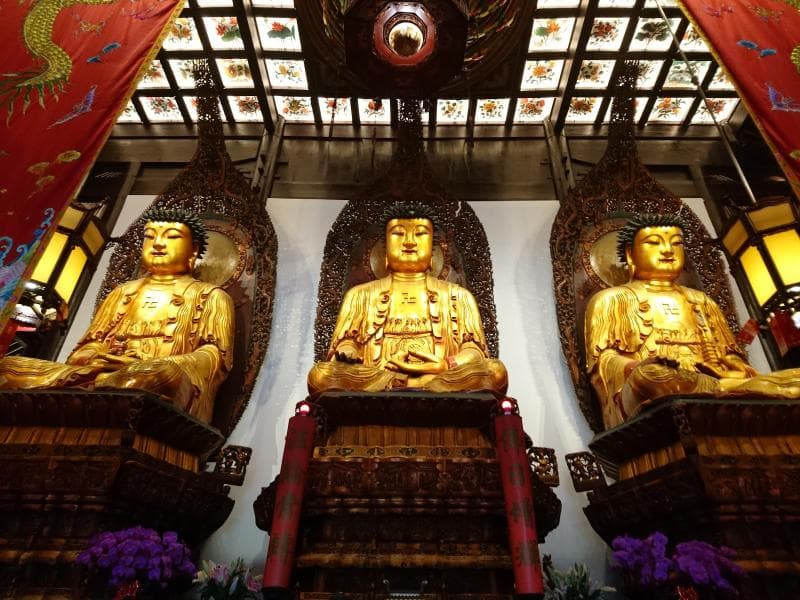
Discover the Bell Tower within Shanghai's Jade Buddha Temple, a serene haven of Buddhist tradition and Song Dynasty architecture in China.
Overview
Nestled amidst the vibrant urban landscape of Shanghai, China, the Jade Buddha Temple stands as a serene sanctuary, offering a profound glimpse into traditional Chinese Buddhism. Within its hallowed grounds, integral to its spiritual rhythm and architectural grandeur, lies the Bell Tower. This structure, while perhaps not as widely publicized as the temple's famous jade Buddha statues, plays a crucial role in the daily life and spiritual ambiance of the monastery. It is a traditional feature found in many Buddhist temples, serving both practical and symbolic purposes, enriching the contemplative atmosphere for both monastics and visitors alike.
History & Cultural Background
The Jade Buddha Temple itself boasts a rich history, originally founded in 1882 to house two exquisite jade Buddha statues brought from Myanmar by the monk Huigen. Although the original temple was destroyed during the 1911 revolution, it was meticulously rebuilt between 1918 and 1928, adopting the distinctive palace-style architecture of the Song Dynasty. Traditional Chinese Buddhist temples, such as the Jade Buddha Temple, are typically designed with a symmetrical layout, often featuring a Bell Tower and a Drum Tower situated opposite each other in the main courtyard. These structures are not merely decorative but are deeply embedded in the temple's ritualistic fabric. Historical records suggest that a bell and drum tower were part of the functional and architectural completion of the temple, especially after significant renovations and expansions.
What Makes It Special
The Bell Tower at the Jade Buddha Temple is special not just for its architectural design, which harmonizes with the overall Song Dynasty aesthetic of the temple, but primarily for its function. Housing a large Buddhist bell, its sonorous chimes punctuate the day, marking significant moments for prayers, meditation, and daily routines of the resident monks. The act of ringing the bell is a ritual steeped in tradition, believed to purify the mind, awaken consciousness, and spread blessings. Its sound carries beyond the temple walls, creating an 'oasis of calm' that contrasts sharply with the ceaseless energy of Shanghai. The Bell Tower, along with its counterpart, the Drum Tower, symbolizes the dual aspects of Buddhist practice: the bell's sound representing the wisdom that awakens sentient beings, and the drum's rhythm representing the cultivation of compassion.
Stories, Fun Facts & Local Details
While specific folklore directly attributed to the Jade Buddha Temple's Bell Tower may not be widely documented, the significance of temple bells in Chinese culture offers a rich context. The ringing of a Buddhist temple bell is often associated with the 'morning bell and evening drum' tradition, a practice observed in monasteries across China. The morning bell signals the beginning of a new day, inviting monks to wake for their first prayers, while the evening drum marks the end of the day, calling them to contemplation. Hearing the deep, resonating sound of the bell is said to help dispel worldly worries and foster a sense of peace and mindfulness. For local Shanghainese and devout Buddhists, the sound from the Bell Tower serves as a spiritual anchor, a reminder of enduring tradition and faith in a rapidly modernizing city. Visitors often pause to listen, finding a moment of tranquility that transcends the ordinary tourist experience.
Visitor Perspective
For visitors to the Jade Buddha Temple, encountering the Bell Tower is an immersive sensory experience. Its presence adds to the authenticity and spiritual depth of the temple visit. While exploring the grand halls and marveling at the jade Buddha statues, the occasional deep, resonant thrum of the bell offers a contemplative interlude. It's an invitation to slow down, breathe, and connect with the spiritual heart of the temple. The Bell Tower contributes significantly to the tranquil atmosphere, allowing one to momentarily forget the bustling metropolis outside and embrace a sense of timeless peace. It helps create an environment where the 'faint smell of incense curling through the air' and the 'sound of chanting' become a living tapestry of Buddhist practice.
Coordinates: 121.43985, 31.24359
View on Google Maps💬 How Travelers Describe This Place
Based on community votes
Beautiful
953Unique
658Photogenic
585Interesting
69Must See
22
Traveler Stories
Discover memorable experiences shared by travelers who have visited this place.
No traveler stories yet.
Be the first traveler to share what made this place memorable.

Tour
By
Spot
Discover amazing places around the world. Your journey starts here.
Explore
© 2026 TourBySpot. All rights reserved.