Bell House
Hanoi, Vietnam
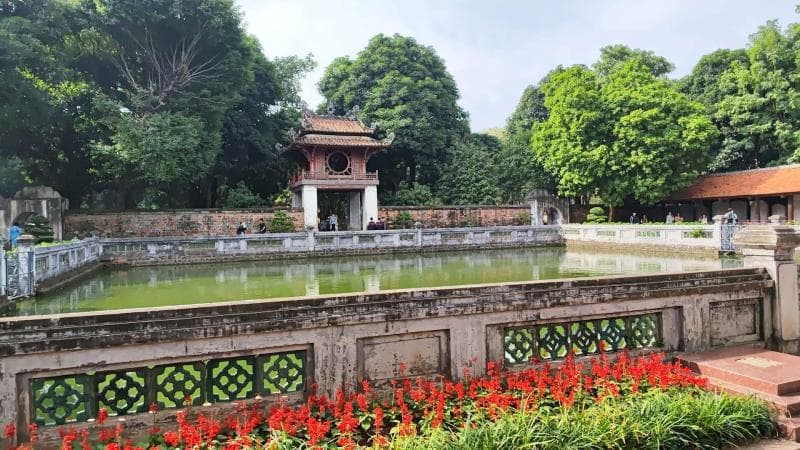
Explore the historic Bell House at the Temple of Literature in Hanoi, Vietnam. Discover its rich history, cultural significance, and architectural beauty.
Overview
Nestled within the serene and historically rich grounds of the Temple of Literature (Văn Miếu – Quốc Tử Giám) in Hanoi, Vietnam, stands the Bell House. This significant structure, often referred to in conjunction with its symmetrical counterpart, the Drum House, is located within the Thái Học area, the fifth and innermost courtyard of this ancient educational complex. The Temple of Literature itself is a profound symbol of Vietnam's long-standing reverence for education and scholarly achievement, founded to honor Confucius and serving as the nation's first university. The Bell House, with its prominent bronze bell, represents the ceremonial order and spiritual solemnity that once characterized imperial academic life and continues to inspire visitors today.
History & Cultural Background
The Temple of Literature was established in 1070 by Emperor Lý Thánh Tông, initially dedicated to Confucius, sages, and scholars. Just six years later, in 1076, it became home to the Imperial Academy (Quốc Tử Giám), Vietnam's first national university, which educated generations of bright minds for over 700 years.
While the Temple boasts nearly a millennium of history, the current Bell House and Drum House in the Thái Học courtyard are more recent additions, constructed as part of a significant restoration and reconstruction project around the year 2000. This reconstruction of the fifth courtyard was undertaken to celebrate the 990th anniversary of Thăng Long – Hanoi and to honor Vietnam's national traditions of culture and education. These buildings, though not original ancient structures, were meticulously designed in the spirit of traditional Vietnamese architecture, ensuring harmony with the venerable surroundings. Historically, bell and drum towers symbolized authority and ceremonial order, and their sounds marked important academic events and ceremonies.
What Makes It Special
The Bell House is a beautifully crafted example of traditional Vietnamese wooden architecture. It features gracefully curved roof corners and roofs covered with traditional shoe-tip tiles, creating an appearance that is both solemn and elegant. Inside, it houses a substantial bronze bell, which stands 2.34 meters high and weighs approximately 700 kilograms. This impressive bell, along with its twin structure, the Drum House, forms a balanced and harmonious composition within the Thái Học area. The Drum House contains a 'Thunder Drum' measuring 2.65 meters in height with a diameter of 2.01 meters, crafted by artisans from the Đọi Tam traditional craft village. The meticulous craftsmanship and traditional aesthetics make these structures stand out, offering visitors a tangible connection to Vietnam's rich architectural heritage.
Stories, Fun Facts & Local Details
In Vietnamese culture, the sound of bells, particularly from temples and pagodas, holds deep spiritual significance. It is believed to awaken the mind, purify the soul, dispel afflictions, and bring peace. The harmonious blend of the bell's resonance and the drum's powerful sound is often seen as symbolizing the balance of yin and yang, fostering life and prosperity. For centuries, these sounds have echoed through the complex, marking significant moments in the Imperial Academy's history and shaping the lives of its scholars. The bell's toll was historically used to signify the arrival of an important person, emphasizing its role in grand ceremonies. Even today, the Bell House and Drum House evoke the atmosphere of learning and ceremonial practices once associated with Quốc Tử Giám, continuing the thousand-year educational and cultural legacy of Thăng Long – Hanoi. Many students visit the Temple of Literature before exams to pray for good luck and success, creating a living connection to its academic past.
Visitor Perspective
As you approach the Thái Học courtyard, the sight of the Bell House and its symmetrical Drum House transports you back to an era of profound scholarship and respect for knowledge. The traditional wooden structures, with their elegant tiled roofs, offer a serene visual experience, contrasting with the bustling modern city outside. Standing before the majestic bronze bell, one can almost hear the echoes of its past, calling scholars to ceremonies or marking imperial decrees. It's a place where you can pause, reflect on the dedication to learning that permeated these grounds, and appreciate the enduring cultural values of Vietnam. These structures are not merely historical relics; they are active embodiments of a continuous heritage, silently telling stories of ancient rituals, academic pursuits, and the timeless pursuit of wisdom in Hanoi.
Coordinates: 105.83556, 21.02861
View on Google Maps💬 How Travelers Describe This Place
Based on community votes
Unique
685Photogenic
472Beautiful
446Interesting
399Must See
33
Traveler Stories
Discover memorable experiences shared by travelers who have visited this place.
No traveler stories yet.
Be the first traveler to share what made this place memorable.

Tour
By
Spot
Discover amazing places around the world. Your journey starts here.
Explore
© 2026 TourBySpot. All rights reserved.