Beihai Lake
Beijing, China
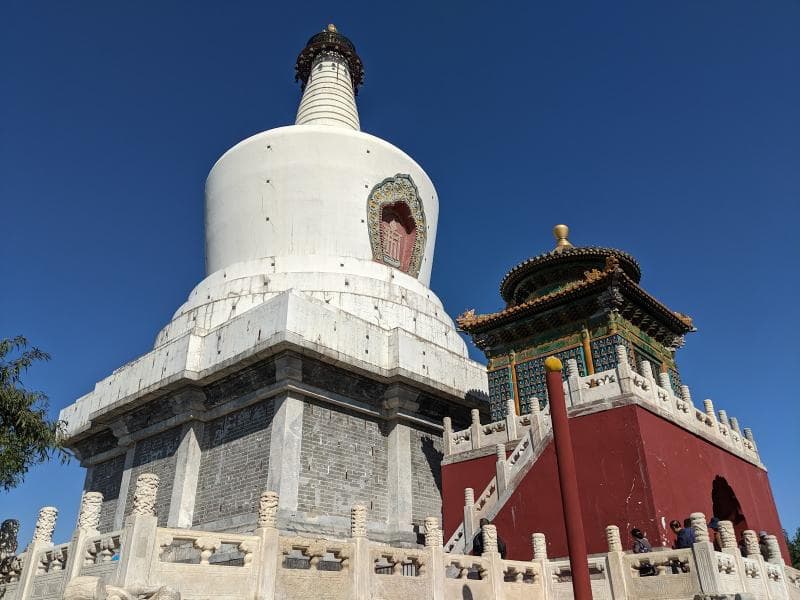
Discover Beihai Lake in Beihai Park, Beijing, China – an ancient imperial garden offering history, culture, and serene beauty. Explore its landmarks.
Overview
Nestled in the heart of Beijing, China, Beihai Lake is the shimmering centerpiece of Beihai Park, an ancient imperial garden that captivates with its rich history and serene beauty. This remarkable park, located just northwest of the Forbidden City, stands as one of China's oldest and best-preserved imperial gardens. Covering an expansive area of approximately 68 to 71 hectares, the lake itself accounts for more than half of the park's total expanse, offering a tranquil escape from the bustling city. Beihai Lake, whose name translates to 'North Sea,' is integral to a landscape design that vividly brings to life ancient Chinese aesthetic principles, notably the 'one pond, three hills' layout.
History & Cultural Background
The origins of Beihai Park and its lake stretch back over a thousand years, tracing to the Liao Dynasty in the 10th century when a secondary imperial residence was established here. The lake as we know it today was significantly developed during the Jin Dynasty in the 12th century, a period that also saw the construction of Qionghua (Jade Flower) Islet from earth excavated from the lakebed. A pivotal moment in its history came during the Yuan Dynasty when Kublai Khan chose the area for his imperial garden. It was on Jade Flower Island that his palace stood, a site said to have hosted the famed explorer Marco Polo. The park's iconic White Dagoba, a Tibetan-style stupa, was later erected on Jade Flower Island in 1651, commemorating the visit of the 5th Dalai Lama. Subsequent dynasties, including the Ming and Qing, further enriched the park with structures like the Five Dragon Pavilions and the Nine-Dragon Wall. Emperor Qianlong of the Qing Dynasty, in particular, undertook extensive renovations that shaped much of the park's current layout. After centuries as an exclusive imperial retreat, Beihai Park opened its gates to the public in 1925, transforming from a royal playground into a cherished public oasis.
What Makes It Special
Beihai Lake is more than just a body of water; it is a meticulously crafted landscape that embodies the essence of classical Chinese imperial gardens. The park is celebrated for its harmonious blend of grand imperial architecture and solemn religious structures, unique in its ability to combine the majestic aesthetics of northern Chinese gardens with the delicate artistry of southern gardens. At the heart of the lake lies Jade Flower Island, crowned by the striking White Dagoba, a landmark visible from many parts of central Beijing. Another remarkable feature is the Nine-Dragon Wall, a vibrant screen wall adorned with nine distinct dragons made of glazed tiles, one of only three such walls in all of China. The Five Dragon Pavilions along the north bank also contribute to the park's distinct charm, providing picturesque spots for contemplation. The thoughtful landscaping, often inspired by the mythical 'one pond, three hills' concept, creates a sense of an ethereal fairyland, inviting visitors to wander through its poetic scenery.
Stories, Fun Facts & Local Details
Imagine Kublai Khan entertaining guests, perhaps even Marco Polo, in his palace atop Jade Flower Island, surrounded by the tranquil waters of Beihai Lake. This historical backdrop lends a palpable sense of grandeur to the park. The White Dagoba itself holds a secret; it is believed to enshrine Buddhist scriptures and relics, a spiritual heart for the landscape. The lake's water, surprisingly, has its origins from the Jade Spring Hill and Yongding River, flowing into this ancient reservoir. Legend also whispers of Empress Dowager Cixi, who would often retreat to the serene surroundings near Beihai Lake to relax and entertain officials, particularly in Jingxin House on the north shore. Beyond its imperial past, Beihai Lake is a vibrant hub for local life. In spring, summer, and autumn, the lake bustles with boats, while in winter, its frozen surface transforms into a popular ice-skating rink. The park also hosts seasonal spectacles, such as the colorful lotus festival in August and the enchanting chrysanthemum show from November to December, celebrating China's deep connection to nature and seasonal beauty.
Visitor Perspective
For the curious traveler, Beihai Lake and its surrounding park offer a truly immersive cultural experience. It is a refreshing escape from the urban energy of Beijing, providing a tranquil atmosphere that helps visitors unwind. A popular activity is taking a boat ride on the lake, offering unique perspectives of the park's landmarks, especially at dusk when the White Dagoba is often illuminated. For panoramic views of the park and even glimpses of the Forbidden City on a clear day, a climb to the White Dagoba on Jade Flower Island is highly recommended. Early mornings reveal a different side of the park, with locals engaging in tai chi and other traditional exercises, offering a glimpse into daily Beijing life. Beihai Park is easily accessible via Beijing's metro system, with the Beihai Bei Station on Line 6 being a convenient entry point. It's advisable to consider purchasing a 'through ticket' to ensure access to key areas like Jade Flower Island and the White Dagoba. Whether for a leisurely afternoon stroll, family outing, or capturing stunning photographs, especially during the lotus season, Beihai Lake promises a meaningful journey through history and natural splendor.
Coordinates: 116.3888, 39.9298
View on Google Maps💬 How Travelers Describe This Place
Based on community votes
Unique
989Beautiful
613Photogenic
603Interesting
581Must See
207
Traveler Stories
Discover memorable experiences shared by travelers who have visited this place.
No traveler stories yet.
Be the first traveler to share what made this place memorable.

Tour
By
Spot
Discover amazing places around the world. Your journey starts here.
Explore
© 2026 TourBySpot. All rights reserved.