Battlements
Lisbon, Portugal
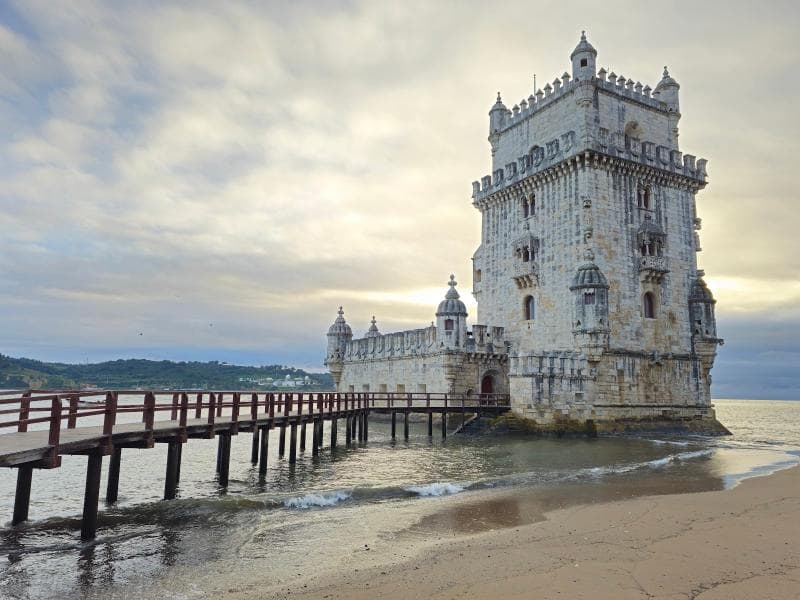
Explore the historic Battlements of Belém Tower in Lisbon, Portugal, a UNESCO World Heritage site showcasing Manueline architecture and Portugal's Age of Discovery.
Overview
Perched majestically at the mouth of the Tagus River in Lisbon, the Belém Tower, a UNESCO World Heritage Site, boasts iconic battlements that are much more than mere defensive structures. These intricately designed parapets and watchtowers crown both the main tower and its hexagonal bastion, offering a vivid glimpse into Portugal's Age of Discovery. They are integral to the tower's unique Manueline architectural style, blending Gothic, Renaissance, and Moorish influences into a compelling historical narrative. Visiting the battlements provides not only panoramic views of the river and the city but also a tangible connection to the past, allowing one to imagine the bustling maritime activity that once defined Lisbon's golden era.
History & Cultural Background
The Belém Tower, or Torre de Belém, was constructed between 1514 and 1519 under the reign of King Manuel I, making it a pivotal monument from the height of the Portuguese Renaissance. The battlements were an essential part of its original purpose as a defensive fort, guarding Lisbon's harbor from potential maritime threats and controlling access to the city. The project was conceived by King João II and brought to fruition by architect Francisco de Arruda, who had experience with fortifications in Portuguese territories in Morocco, an influence evident in some of the tower's Moorish-style elements. Beyond defense, the tower also served as a ceremonial gateway, a final sight of land for explorers departing on arduous voyages and the first welcome home for those returning laden with riches from newly discovered lands. The battlements, with their imposing presence, silently witnessed these historic comings and goings, embodying the ambition and power of Portugal's early modern empire.
What Makes It Special
The battlements of Belém Tower are truly special due to their exquisite Manueline design, a Portuguese Late Gothic style that flourished for roughly one generation. This architectural style uniquely applied maritime and navigational motifs to traditional Gothic forms, transforming the defensive structures into works of art. Look closely, and you'll find the pervasive symbol of the Cross of the Order of Christ adorning the crenellated parapets and small watchtowers at the corners of the bastion's upper tier. This cross was not merely decorative; it emphasized King Manuel I's role as Grand Master of the Order and acknowledged the Order's significant financial contribution to Portugal's maritime expeditions. The same symbol was proudly displayed on the sails of Portuguese ships, making the battlements a symbolic beacon of exploration and faith. The Moorish-inspired ribbed cupolas of the watchtowers further distinguish the battlements, showcasing a blend of cultural influences that reflect Portugal's global reach during this period.
Stories, Fun Facts & Local Details
Imagine standing on these very battlements five centuries ago, feeling the river breeze and witnessing the departure of caravels laden with spices and dreams of new worlds. The architect, Francisco de Arruda, brought elements from his work in North Africa, which contributes to the distinctive, almost exotic, appearance of the battlements' turrets. One fascinating detail often missed is how the Manueline style, prominent in the battlements' stonework, uses twisted ropes and knots to reference the actual rigging of the ships that financed the tower's construction. These details tell a story of Portugal's wealth and its inseparable connection to the sea. The tower was originally built on a basaltic island in the Tagus River, meaning the battlements once stood more distinctly surrounded by water, further emphasizing its role as an aquatic fortress. Over centuries, the river's course and silting have brought the tower closer to the riverbank, but its strategic placement was initially paramount to its defensive capabilities.
Visitor Perspective
For visitors today, exploring the battlements of Belém Tower is an immersive journey through time. As you ascend the tower's narrow, historic spiral staircase, each level brings you closer to these open-air fortifications. Reaching the bastion's terrace and the upper levels of the main tower rewards you with breathtaking, unobstructed views of the Tagus River, the Monument to the Discoveries, and the distant Lisbon cityscape. It's a prime spot for photography and for simply soaking in the historical atmosphere. The tactile experience of touching the ancient lioz limestone and walking along the same parapets where guards once stood evokes a powerful sense of connection to Portugal's grand maritime past. These battlements provide a unique vantage point, making it easy to picture the ships sailing in and out of the harbor, and to appreciate the strategic importance and architectural beauty of this remarkable monument in Lisbon.
Coordinates: -9.21611, 38.69167
View on Google Maps💬 How Travelers Describe This Place
Based on community votes
Photogenic
894Beautiful
748Interesting
304Must See
73Unique
35
Traveler Stories
Discover memorable experiences shared by travelers who have visited this place.
No traveler stories yet.
Be the first traveler to share what made this place memorable.

Tour
By
Spot
Discover amazing places around the world. Your journey starts here.
Explore
© 2026 TourBySpot. All rights reserved.