Bathhouse Ruins
Baku, Azerbaijan
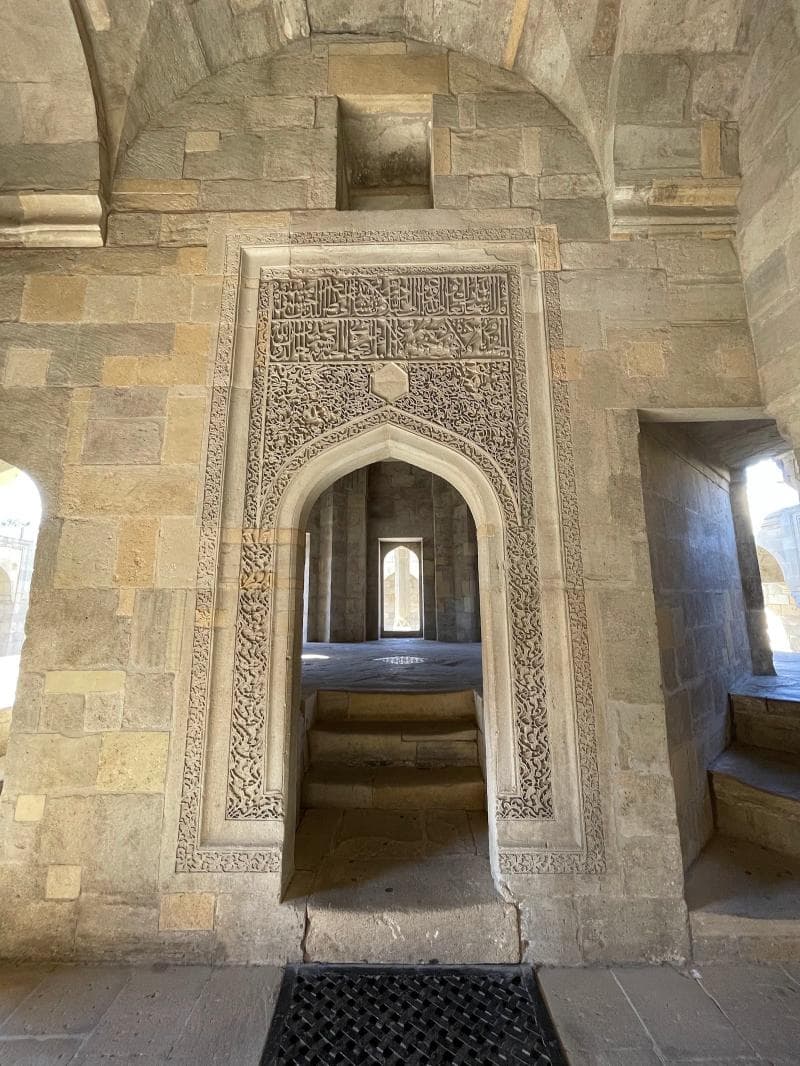
Explore the ancient Bathhouse Ruins within the Palace of the Shirvanshahs in Baku, Azerbaijan. Discover 15th-century architecture, historical bathing rituals, and cultural significance.
Overview
Nestled within the majestic Palace of the Shirvanshahs in Baku, Azerbaijan, lie the evocative Bathhouse Ruins, a testament to 15th-century architectural ingenuity and daily life. As an integral part of the larger palace complex, a UNESCO World Heritage Site, these ruins offer a fascinating glimpse into the past. Discovered in 1939 and subsequently undergoing restoration, the bathhouse was ingeniously constructed underground. This design was typical for bathhouses across the Absheron peninsula, ensuring a stable and warm interior temperature regardless of external conditions. Once a vibrant social hub, the bathhouse played a crucial role in the cultural fabric of the Shirvan Empire, serving purposes far beyond mere hygiene. It stands as a significant historical remnant, located specifically in the eastern part of a lower yard within the sprawling palace grounds.
History & Cultural Background
The Palace of the Shirvanshahs, which houses these ruins, was primarily built in the 15th century when Baku was established as the new capital of the Shirvanshah state. The Shirvanshahs, a powerful Persian dynasty that governed the region from the 9th to the 16th century, left an indelible mark on Azerbaijan's cultural landscape. The bathhouse was an essential component of this royal residence, reflecting the sophisticated lifestyle of the era. After the Shirvanshahs' rule, the bathhouse fell into disuse and was eventually buried by the shifting earth, becoming forgotten for centuries until its serendipitous rediscovery during archaeological excavations. In 1964, the entire palace complex was declared a museum reserve, and in 2000, it received international recognition as a UNESCO World Heritage Site, underscoring its profound historical and cultural significance. The ruins vividly demonstrate the advanced architectural and technological capabilities of medieval Azerbaijan, particularly in their intricate heating and water systems.
What Makes It Special
The Bathhouse Ruins are particularly remarkable due to their unique underground construction. This common practice in the Absheron peninsula was a clever solution to maintain consistent, comfortable temperatures within. The facility comprised an impressive 26 domed rooms, thoughtfully divided into distinct areas for undressing and bathing, showcasing a sophisticated approach to public sanitation and leisure. Its heating system was a marvel of medieval engineering: water from a nearby reservoir was channeled into a boiler house, heated, and then distributed through a network of ceramic pipes. A specially constructed fire chamber beneath the hot water reservoir, coupled with steam ducts running under the floors, ensured warmth throughout the bathing rooms. Archaeological findings reveal small circular pools and niches for footwear, indicating meticulous planning. Though time has taken its toll, remnants of intricate tile work and ornamental majolica hint at the aesthetic grandeur that once adorned its walls. It is believed that one specific side room, adorned with glazed tiles, may have served as the shah's private bathing chamber.
Stories, Fun Facts & Local Details
Perhaps one of the most intriguing aspects of the Bathhouse Ruins is their unexpected rediscovery in 1939, after lying buried and forgotten for centuries. This chance finding brought to light not just an architectural structure, but a window into the daily social life of the Shirvanshah era. These bathhouses were far more than just places for physical cleansing; they were vital community hubs where people gathered to socialize, engage in conversations, conduct negotiations, and forge friendships. This communal aspect fostered a strong sense of connection and community among the residents. The fact that an entire complex could be lost to the earth and then unearthed centuries later speaks volumes about the historical layers beneath Baku's Old City. The Shirvanshahs themselves were a dynastic force whose influence is still deeply woven into the fabric of Azerbaijani culture, and their palace complex is so iconic it has even been featured on Azerbaijani banknotes. The advanced infrastructure of the bathhouse underscores the high standards of living that the Shirvanshahs aimed to provide for their court and subjects.
Visitor Perspective
For the curious traveler, exploring the Bathhouse Ruins within the Palace of the Shirvanshahs offers a profound journey back in time. It provides an intimate glimpse into the daily routines, social customs, and sophisticated lifestyle of the Shirvanshah dynasty. Wandering through the ancient, subterranean chambers allows one to reflect on the lives lived within these historic walls and to truly connect with a bygone era. These ruins, alongside the broader palace complex, stand as a powerful symbol and a vital piece of Azerbaijan's rich history and cultural heritage. Situated conveniently within the easily accessible Old City of Baku, a visit to the Bathhouse Ruins is not just an architectural tour; it is an immersive experience that deepens appreciation for the enduring legacy of this ancient and influential civilization.
Coordinates: 49.83342870762865, 40.366053857630185
View on Google Maps💬 How Travelers Describe This Place
Based on community votes
Interesting
998Photogenic
481Beautiful
472Must See
399Unique
92
Traveler Stories
Discover memorable experiences shared by travelers who have visited this place.
No traveler stories yet.
Be the first traveler to share what made this place memorable.

Tour
By
Spot
Discover amazing places around the world. Your journey starts here.
Explore
© 2026 TourBySpot. All rights reserved.