Bath Spas
Tbilisi, Georgia
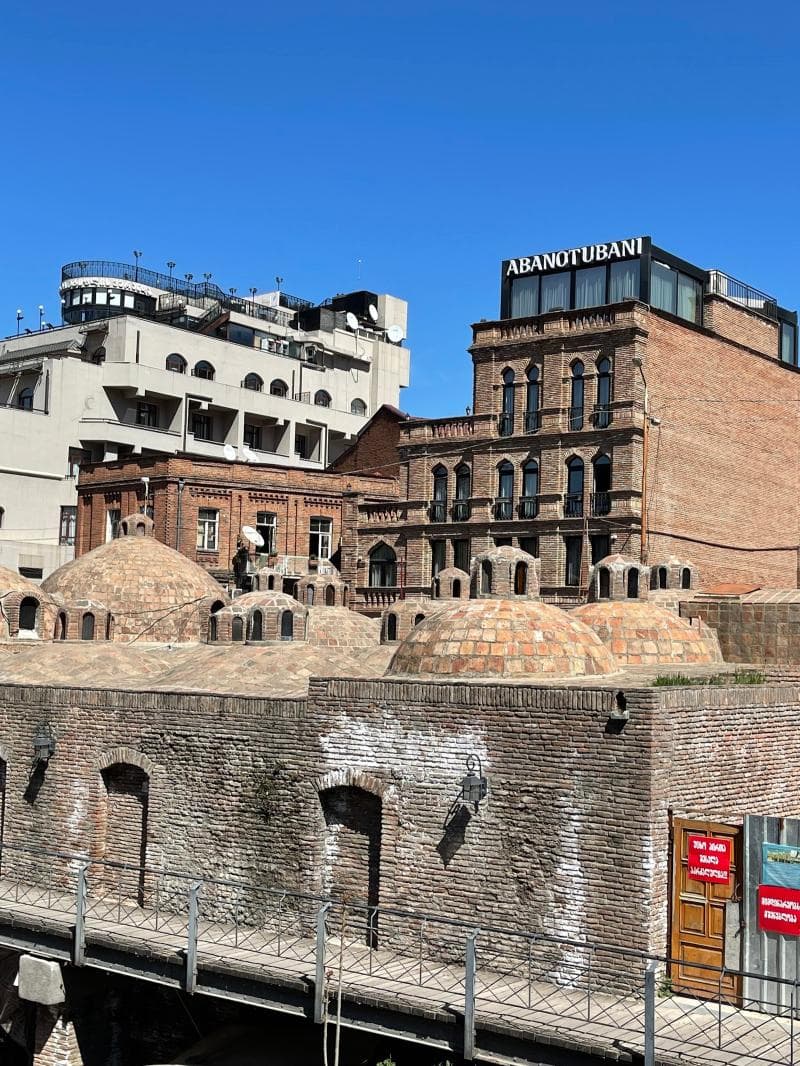
Discover Abanotubani's historic sulfur bath spas in Tbilisi, Georgia. Explore ancient traditions, unique domed architecture, and therapeutic waters.
Overview
Nestled in the vibrant heart of Tbilisi, Georgia, the Abanotubani district stands as a living testament to the city's origins and enduring cultural traditions. This ancient quarter, whose name literally translates to 'bath district', is renowned for its distinctive sulfur bath spas, which are fed by natural geothermal hot springs. Easily recognizable by their low, brick-domed roofs dotting the landscape, these bathhouses offer a unique blend of historical charm, architectural beauty, and a deeply rooted wellness experience. More than just a place for bathing, Abanotubani has served as a central social hub for centuries, drawing locals and travelers alike to its warm, mineral-rich waters.
The area is defined by its winding streets and the architectural style of its bathhouses, many of which are built underground with their domes providing light and ventilation. The scent of sulfur, often compared to rotten eggs, subtly permeates the air, signaling one's arrival in this historic quarter. It is a destination that truly encapsulates the essence of Tbilisi's past and present, offering both relaxation and a profound connection to Georgian heritage.
History & Cultural Background
The story of Abanotubani, and indeed Tbilisi itself, is steeped in an ancient legend dating back to the 5th century. According to lore, King Vakhtang Gorgasali was hunting when his falcon either fell into a hot spring or found a pheasant that had. Impressed by the naturally warm, mineral-rich waters, the king ordered a city to be built around this very spot. This foundational event is so significant that the name 'Tbilisi' itself is derived from the Old Georgian word 'Tpili' or 'Tbili', meaning 'warm', directly referencing these geothermal springs.
For over 1,500 years, these sulfur baths have been integral to Georgian society, evolving from simple washing facilities into vital social institutions. By the 13th century, records indicate there were as many as 65 bathhouses in Tbilisi. These weren't just places for hygiene; they were venues for social gatherings, business dealings, gossip, and even matchmaking. Famous historical figures, including the Russian poet Alexander Pushkin and the French writer Alexandre Dumas, visited and lauded the Tbilisi baths, praising their unique experience and therapeutic qualities. The baths have seen multiple architectural transformations, with many surviving structures reflecting 17th and 18th-century Iranian influences.
What Makes It Special
What truly sets Abanotubani's bath spas apart is the natural geothermal water itself. Heated deep underground and rich in sulfur, the water emerges at temperatures typically ranging from 38-40°C (100-104°F) and is believed to offer numerous health benefits, including improving circulation, relieving joint pain, and promoting skin health. This natural heating means the water doesn't need artificial warming, preserving its unique mineral composition.
Architecturally, the bathhouses are a marvel. Their most distinctive feature is the series of low, brick domes that protrude from the ground. These domes are not merely decorative; they serve a crucial functional purpose, allowing natural light to filter into the subterranean bathing chambers while providing an escape for the steam. Within, many bathhouses showcase intricate tilework, mosaics, and traditional brick designs, with the Orbeliani Baths (also known as Chreli Abano or 'Colorful Bath') particularly standing out with its striking blue mosaic facade reminiscent of Persian artistry.
Stories, Fun Facts & Local Details
The Abanotubani baths are steeped in fascinating local traditions and anecdotes. Historically, they were vital social centers where women would gather not only for cleansing and relaxation but also to subtly assess potential daughters-in-law. The steam-filled rooms would host lively conversations, business negotiations, and community gossip, making a visit much more than just a bath; it was a weekly ritual and a cornerstone of social life.
A must-try experience for visitors is the traditional 'kisi scrub'. This vigorous exfoliation, performed by a 'mekise' (bath attendant) using a coarse mitt, aims to remove dead skin, leaving patrons feeling incredibly refreshed and rejuvenated. Following the scrub, a relaxing soap massage often completes the treatment. While the sulfur smell is initially noticeable, most visitors quickly adapt, finding it a small price to pay for the therapeutic benefits and the deep cultural immersion.
Visitor Perspective
For a curious traveler, a visit to the Bath Spas of Abanotubani offers an unparalleled cultural immersion. Upon entering, visitors are greeted by the unique architecture and the earthy, mineral scent of the sulfur waters. The experience typically involves choosing between public and private bathing options. Public baths are gender-segregated and offer a more communal, traditional experience, often at a lower cost. Here, one can witness locals engaging in their centuries-old ritual.
Private rooms, on the other hand, provide a more secluded setting, perfect for individuals, couples, or groups. These rooms usually include a hot sulfur pool, a cold plunge pool or shower, and a stone slab for treatments. Many bathhouses, like the renovated Orbeliani Baths, offer modern amenities alongside traditional services. Whether opting for the authentic public atmosphere or the comfort of a private chamber, the Abanotubani baths promise a memorable journey into Tbilisi's past, leaving visitors feeling cleansed, relaxed, and deeply connected to Georgian heritage.
Coordinates: 44.811111, 41.687777
View on Google Maps💬 How Travelers Describe This Place
Based on community votes
Photogenic
703Unique
521Must See
477Beautiful
157Interesting
28
Traveler Stories
Discover memorable experiences shared by travelers who have visited this place.
No traveler stories yet.
Be the first traveler to share what made this place memorable.

Tour
By
Spot
Discover amazing places around the world. Your journey starts here.
Explore
© 2026 TourBySpot. All rights reserved.