Bascule Bridge Mechanism
London, United Kingdom
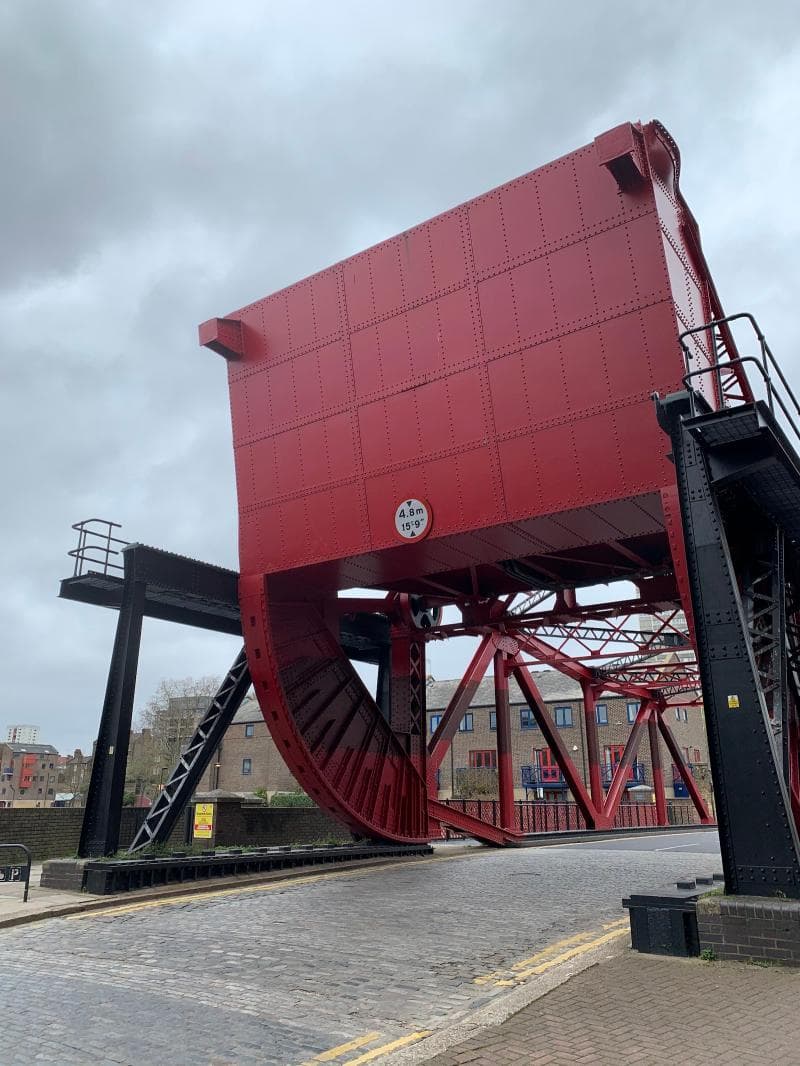
Explore the Bascule Bridge Mechanism inside London's Tower Bridge, a Victorian engineering marvel allowing ships to pass. Discover its history, unique design, and engine rooms.
Overview
Deep within the iconic Tower Bridge in London, United Kingdom, lies the ingenious Bascule Bridge Mechanism, the very heart that allows this historic landmark to open and close, gracefully parting the River Thames for passing vessels. Unlike a simple drawbridge, a bascule bridge operates on a 'seesaw' principle, with each half of the roadway lifting independently. This marvel of Victorian engineering is not merely functional; it's a testament to human ingenuity, offering a captivating glimpse into the past for any curious traveler. The mechanism is housed within the Bridge's sturdy towers and the impressive Victorian Engine Rooms, which are now accessible to the public.
History & Cultural Background
The story of Tower Bridge's bascule mechanism begins in the late 19th century when London's booming East End demanded a new bridge downstream from London Bridge. However, a traditional fixed bridge would have cut off access to the Pool of London for tall-masted ships. A design competition was held, and the winning proposal, a collaboration between Sir Horace Jones and John Wolfe Barry, ingeniously combined suspension bridge sections with a central bascule span.
Construction, which began in 1886 and lasted eight years, unveiled a groundbreaking hydraulic system. Initially, the colossal bascules were powered by pressurized water, generated by huge steam pumping engines. These engines, themselves a spectacle of Victorian industrial power, used steam from large coal-fired boilers to push water into six enormous accumulators, acting like batteries to store immense energy. This system was so robust that it was designed with redundancy, ensuring operations even if components failed. By 1976, to improve efficiency and reduce emissions, the system transitioned to an electro-hydraulic drive, though the original steam engines remain preserved and on display.
What Makes It Special
What truly sets the Bascule Bridge Mechanism apart is its elegant design and sheer scale. Each of the two bascules, which are the movable sections of the roadway, weighs an astonishing 1,200 tons. Yet, thanks to a meticulously balanced counterweight system, they operate with remarkable ease and speed, taking only about five minutes to fully raise to an angle of 86 degrees and allow ships to pass. These counterweights descend into immense bascule chambers located beneath the road level, a fascinating hidden space within the bridge's structure. The fact that this original Victorian machinery, albeit now powered differently, could handle such immense loads and operate so reliably for over a century is a testament to the foresight and engineering prowess of its creators. The decorative stone exterior cleverly conceals the robust steel framework that truly supports the bridge.
Stories, Fun Facts & Local Details
The term 'bascule' itself comes from the French word for 'seesaw,' perfectly illustrating how the bridge sections pivot. In its heyday during the 1890s, Tower Bridge would lift an astounding 6,000 times a year, sometimes 20 to 30 times a day, a clear indicator of London's bustling river trade. Today, with fewer large vessels navigating the Thames, it lifts around 800 times annually, often for pleasure boats or 'booze cruises' as some locals amusingly put it. Visitors exploring the Engine Rooms can also discover the 'Blue Line' on the ground outside the South Tower, a touching tribute with plaques honoring the original workers who built, maintained, and operated the Bridge. Imagine the stokers who toiled tirelessly, shoveling over 20 tonnes of coal per week to keep the steam engines running, often working 24-hour shifts to ensure the bridge was always ready to open.
Visitor Perspective
For the curious traveler, visiting the Bascule Bridge Mechanism, particularly the historic Engine Rooms, offers an immersive journey back in time. You can walk amongst the immense, meticulously preserved Victorian engines, experiencing firsthand the power and ingenuity that once lifted the mighty bridge. Interactive displays, films, and photographs bring the stories of the engineers and workers to life, providing a deeper understanding of how this mechanical marvel functions. It's a rare opportunity to step behind the scenes of an iconic landmark and appreciate the complex machinery that keeps it operational. From the huge cogs that translate power to the bascules, to the accumulators that stored hydraulic energy, every component tells a story of an era when engineering pushed the boundaries of what was possible. It's an experience that transcends mere sightseeing, offering a tangible connection to London's rich industrial heritage and the people who made it possible.
Coordinates: -0.0754, 51.5055
View on Google Maps💬 How Travelers Describe This Place
Based on community votes
Photogenic
800Beautiful
658Unique
589Must See
374Interesting
90
Traveler Stories
Discover memorable experiences shared by travelers who have visited this place.
No traveler stories yet.
Be the first traveler to share what made this place memorable.

Tour
By
Spot
Discover amazing places around the world. Your journey starts here.
Explore
© 2026 TourBySpot. All rights reserved.