Barcaccia Fountain
Rome, Italy
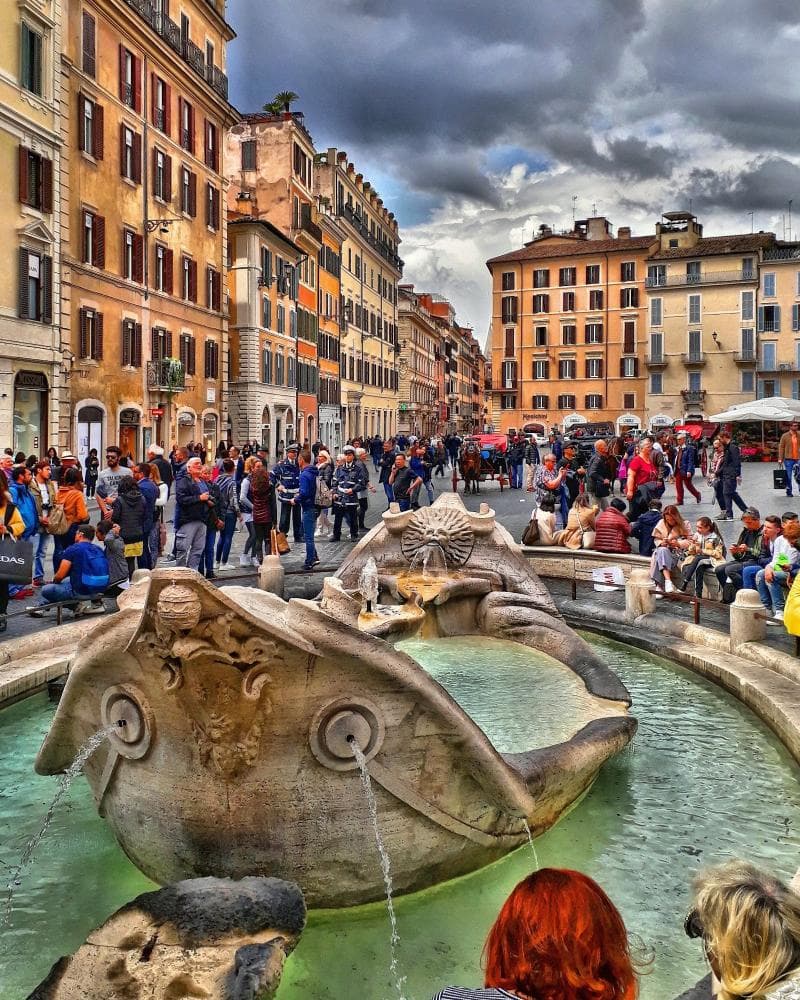
Discover Rome's Barcaccia Fountain, a unique Baroque masterpiece by Bernini at the Spanish Steps. Explore its history and flood-inspired design in Italy.
Overview
Nestled at the base of the iconic Spanish Steps in Rome's vibrant Piazza di Spagna, the Barcaccia Fountain, or 'Fontana della Barcaccia', is a captivating Baroque masterpiece. This unique fountain, shaped like a half-sunken boat, stands as a testament to the ingenuity and artistic vision of Pietro Bernini and his more renowned son, Gian Lorenzo Bernini. Commissioned by Pope Urban VIII, it was constructed between 1626 and 1629, predating the Spanish Steps themselves. Carved primarily from travertine, a local limestone, the fountain is fed by the ancient Acqua Vergine aqueduct, providing a continuous flow of fresh water. Freely accessible to the public 24 hours a day, the Barcaccia Fountain offers a charming focal point in one of Rome's most beloved squares.
History & Cultural Background
The Barcaccia Fountain emerged from a broader Papal project initiated by Pope Urban VIII (Maffeo Barberini) in the early 17th century, aiming to adorn Rome's major piazzas with magnificent fountains and ensure widespread water distribution. The unique design of a half-submerged boat is steeped in local legend and historical context. Tradition holds that the fountain commemorates a dramatic event: the severe flooding of the Tiber River in 1598, which reportedly carried a small boat or 'barcaccia' into Piazza di Spagna, leaving it stranded once the waters receded. This imagery deeply influenced Pietro Bernini, who was tasked with designing the fountain. Furthermore, the piazza's location presented a significant engineering challenge due to the low water pressure from the Acqua Vergine aqueduct. Rather than attempting to force high jets, the Berninis ingeniously designed the fountain to sit slightly below street level, allowing the water to gently overflow the boat's edges, creating the illusion of a vessel slowly sinking. This innovative solution transformed a practical limitation into a defining artistic feature, embodying the Baroque era's blend of art and engineering.
What Makes It Special
What truly sets the Barcaccia Fountain apart is its unconventional and deeply symbolic design. Unlike many of Rome's grand, towering fountains that boast dramatic water displays, the Barcaccia offers a more subdued yet equally profound aesthetic. Its low, boat-like form, appearing almost to float or sink, was a radical departure from the geometric and vertical fountain styles prevalent at the time. This clever artistic choice addressed the inherent problem of low water pressure, showcasing the Berninis' innovative spirit in turning a technical constraint into a graceful, flowing artwork. The fountain's gentle, rippling waters create a sense of tranquility, a stark contrast to the often bustling square. Adding to its special character are the decorative elements: sculpted suns with human faces and the papal coat of arms featuring the distinctive Barberini bees, symbols of Pope Urban VIII's family and his patronage, subtly integrated into the boat's design. These details weave a rich narrative of artistic innovation, historical memory, and papal power into the very fabric of the fountain.
Stories, Fun Facts & Local Details
The Barcaccia Fountain is rich with intriguing stories and delightful details that enhance its charm. The most enduring legend revolves around the Christmas flood of 1598, which saw the Tiber River overflow its banks and, according to popular belief, leave a modest fishing boat stranded in Piazza di Spagna. This unusual sight is said to have inspired Pietro Bernini's 'sinking boat' design, giving the fountain its name, 'Barcaccia,' which can be translated as 'Fountain of the Old Boat' or even 'Ugly Boat'. Another touching anecdote connects the fountain to the English Romantic poet John Keats. Living in a house just adjacent to the Spanish Steps during his final days, Keats found solace in the constant, soothing sound of the Barcaccia's flowing water, which is believed to have inspired his poignant epitaph: 'Here lies one whose name was writ in water.' The fountain features water flowing from seven distinct points, including a central baluster, two sun-shaped faces within the boat, and four openings along its exterior, creating its characteristic gentle overflow. Over the centuries, it has witnessed both natural wear and tear and instances of vandalism, notably in 2007 and 2015, necessitating various restorations, including a significant one in 2014. Despite these challenges, the Barcaccia continues to be a cherished spot where Romans and visitors alike can often be seen quenching their thirst with its reputedly pure and cold water, a direct link to ancient Rome's aqueducts.
Visitor Perspective
Approaching the Barcaccia Fountain as a visitor is an immersive experience, best enjoyed as part of exploring the iconic Spanish Steps and the surrounding Piazza di Spagna. This area is a bustling hub, attracting travelers and locals alike, making the fountain a natural gathering point. Its accessible location at the very foot of the Spanish Steps means it's often one of the first sights visitors encounter when arriving in the piazza. While the piazza can be lively, the fountain itself provides a quiet visual and auditory respite. Its gentle gurgling waters offer a calming presence amidst the grandeur of Rome's larger monuments. For those seeking a more contemplative moment or better photographic opportunities, visiting in the early morning or late evening, particularly at sunset, is highly recommended to avoid peak crowds. It's important to remember that, like all historic fountains, entering or climbing on the Barcaccia is strictly prohibited to preserve its integrity. From the fountain, you can easily ascend the Spanish Steps to the Trinità dei Monti church for panoramic views or explore the nearby Keats-Shelley Memorial House, enriching your understanding of the area's cultural legacy. The Barcaccia Fountain isn't just a monument; it's an enduring piece of Roman life, silently telling stories through its art and history.
Coordinates: 12.48221, 41.90581
View on Google Maps💬 How Travelers Describe This Place
Based on community votes
Beautiful
623Interesting
545Unique
343Must See
302Photogenic
20
Traveler Stories
Discover memorable experiences shared by travelers who have visited this place.
No traveler stories yet.
Be the first traveler to share what made this place memorable.

Tour
By
Spot
Discover amazing places around the world. Your journey starts here.
Explore
© 2026 TourBySpot. All rights reserved.