Ban Jelačić Statue
Zagreb, Croatia
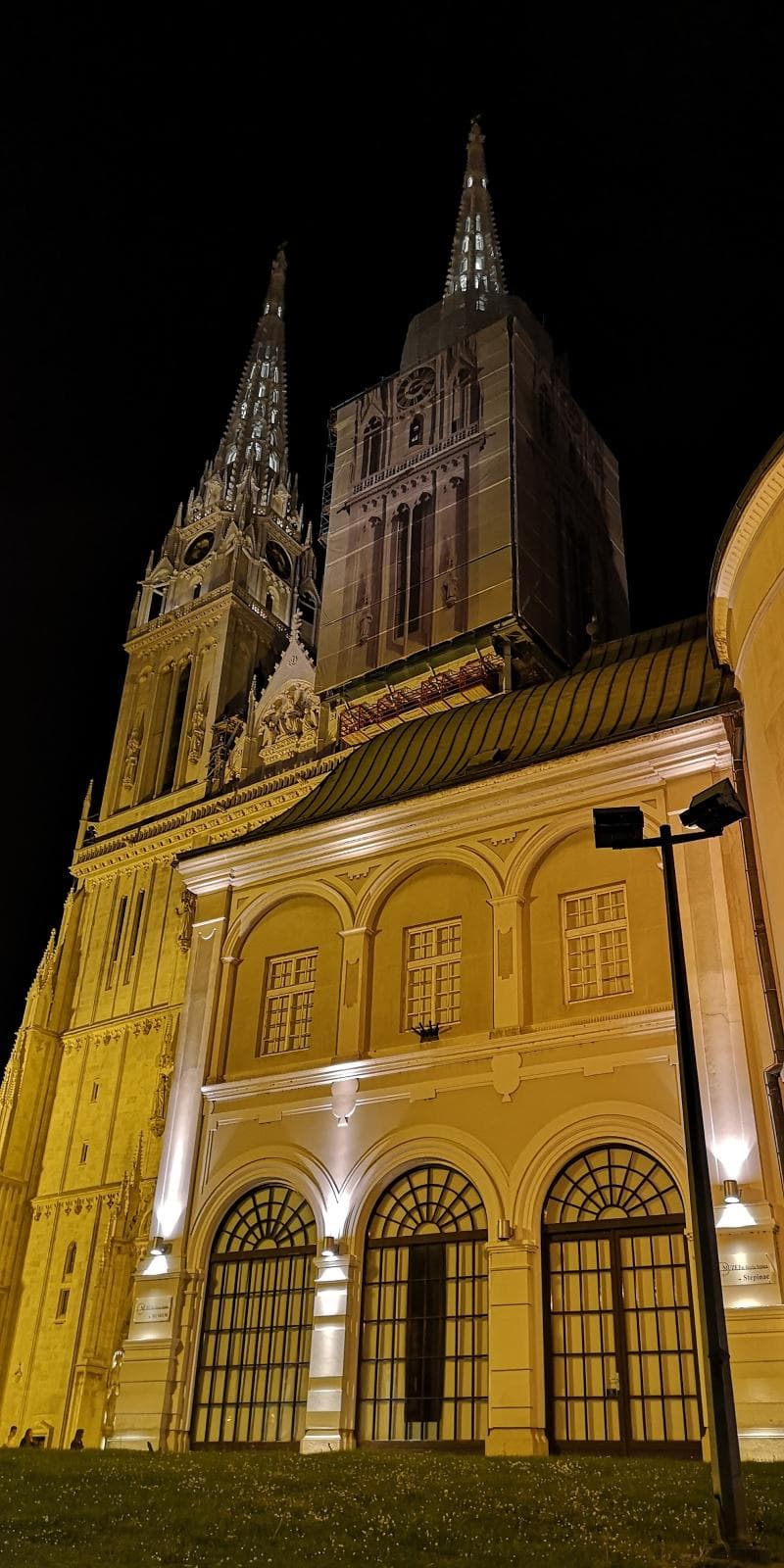
Discover the Ban Jelačić Statue in Zagreb, Croatia – an iconic monument symbolizing Croatian independence and a central meeting point.
Overview
At the bustling heart of Zagreb, Croatia, stands the majestic Ban Jelačić Statue, an iconic equestrian monument that commands the center of Ban Jelačić Square. This prominent landmark serves not only as a crucial point of orientation for visitors but also as a beloved meeting spot for locals, often humorously referred to as 'under the horse's tail'. Dedicated to Ban Josip Jelačić, a pivotal figure in 19th-century Croatian history, the statue embodies the nation's enduring spirit and its journey toward independence. It is a powerful symbol, reflecting Zagreb's rich past and vibrant present, inviting curious travelers to delve into the layers of history and culture that define this captivating city. Positioned amidst a fascinating blend of architectural styles from different eras, the statue anchors a square that is a constant hive of activity, from daily commutes to celebratory gatherings.
History & Cultural Background
The story of the Ban Jelačić Statue is deeply intertwined with Croatia's fight for national identity. Josip Jelačić served as the Ban (a title akin to viceroy or governor) of Croatia from 1848 to 1859, a period of significant upheaval across Europe during the Revolutions of 1848. He is celebrated for his efforts to abolish serfdom and for leading Croatian troops against Hungarian revolutionaries, championing Croatian autonomy within the Habsburg Monarchy. The square itself was named in his honor as early as 1848. The statue, sculpted by the renowned Austrian artist Anton Dominik Fernkorn, was officially unveiled on October 16, 1866, several years after Jelačić's passing.
However, the monument's journey was not without its dramatic turns. In 1947, under the communist regime of post-World War II Yugoslavia, the statue was controversially removed from the square and hidden away in a gallery basement, and the square was renamed 'Republic Square'. For decades, its absence was a silent testimony to a suppressed past. It wasn't until October 11 or 16, 1990, on the cusp of Croatia's independence, that the statue was triumphantly returned to its rightful place following a public petition. This restoration was more than just the return of a monument; it was a powerful symbol of national revival and the dawn of a new democratic era for Croatia.
A notable change occurred during its reinstallation: originally, the statue faced north, a stance often interpreted as a symbolic challenge towards Hungary. Upon its return, it was reoriented to face south, a gesture symbolizing unity and looking towards a future for an independent Croatia rather than historical confrontation.
What Makes It Special
The Ban Jelačić Statue stands as a profound symbol of Croatian national pride, independence, and the resilience of its people. Its powerful presence in Ban Jelačić Square makes it much more than just a piece of bronze; it is the living heart of Zagreb's public life. The craftsmanship of the statue itself is remarkable, depicting Ban Jelačić mounted on his horse, Emir, with his right arm raised and saber unsheathed, as if leading a charge. The square surrounding it is a captivating open-air museum of architectural styles, showcasing a harmonious blend of Baroque, Classicist, Art Nouveau, and Secessionist buildings that tell the visual story of Zagreb's urban development. This historical backdrop, combined with the statue's dramatic history of removal and return, imbues the site with a unique and powerful significance that resonates deeply with both Croatians and visitors.
Stories, Fun Facts & Local Details
Delving into the details reveals fascinating stories and local traditions. The horse depicted in the statue is named Emir, reportedly Ban Jelačić's own white Arabian horse, which he rode during his enthronement in 1848. A popular, though debated, legend among art historians suggests that the position of a horse's legs in equestrian statues can reveal the rider's fate: one raised front leg, as seen here, indicates the rider was wounded in battle or died later from wounds. Interestingly, Jelačić died from illness, not battle wounds, adding a touch of romantic lore to the monument. Another intriguing detail is the Arabic inscription on Jelačić's saber, a gift from Omer Pasha Latas, which translates to 'I have relied on Allah' and 'There is no hero but Ali, and no sword but Zulfiqar'.
The square itself, historically known as Harmica, was once a bustling farmers' market, its name possibly deriving from a Hungarian word related to trade or a customs duty. Just a few steps away lies the Manduševac fountain, steeped in a local legend that ties it to the very name of Zagreb. The story recounts a thirsty Croatian leader asking a girl named Manda to 'scoop water' (zagrabiti in Croatian) from the well, thus giving the city its name. Today, the statue serves as one of the city's most common meeting points, alongside 'under the clock' on the western side of the square.
Visitor Perspective
For any traveler to Zagreb, the Ban Jelačić Statue and its surrounding square offer an engaging and essential experience. Its central location makes it incredibly easy to access, and as an open public space, it is freely accessible 24/7, requiring no tickets or reservations. It serves as an ideal starting point for exploring the Croatian capital, with many key attractions within walking distance. Visitors often spend 1 to 2 hours here, not just admiring the statue but also taking in the diverse architecture, soaking in the lively atmosphere, and perhaps enjoying a coffee at one of the many surrounding cafes. Observing the daily rhythm of Zagreb life unfold around this historical monument provides a genuine glimpse into the city's soul.
Coordinates: 15.977222, 45.813056
View on Google Maps💬 How Travelers Describe This Place
Based on community votes
Unique
981Interesting
617Must See
565Photogenic
357Beautiful
28
Traveler Stories
Discover memorable experiences shared by travelers who have visited this place.
No traveler stories yet.
Be the first traveler to share what made this place memorable.

Tour
By
Spot
Discover amazing places around the world. Your journey starts here.
Explore
© 2026 TourBySpot. All rights reserved.