Baku Boulevard
Baku, Azerbaijan
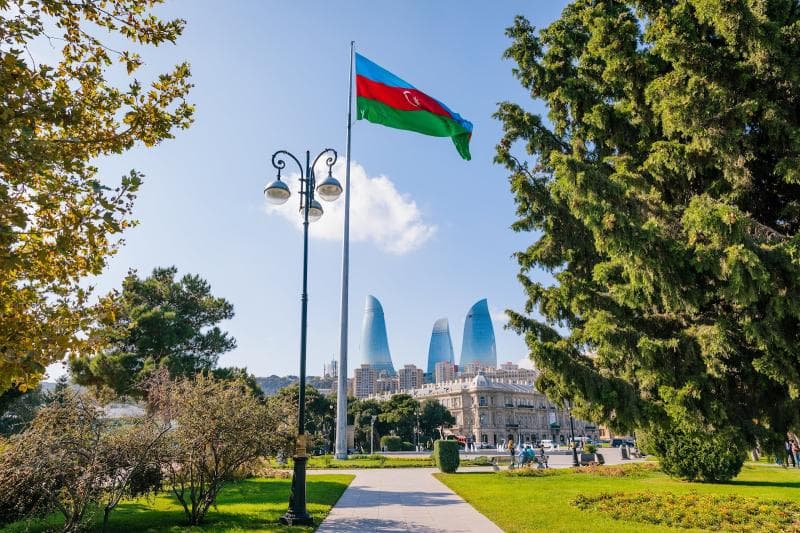
Discover Baku Boulevard, Baku, Azerbaijan's vibrant seaside promenade. Explore its rich history, unique attractions like Little Venice and the Baku Eye, and cultural significance. A perfect blend of relaxation and adventure.
Overview
Baku Boulevard, officially known as the National Seaside Park or Dənizkənarı Milli Park, is a celebrated promenade stretching along the Caspian Sea in Baku, Azerbaijan. Established in 1909, it has grown from its initial modest length to an expansive recreational area, offering locals and visitors a vibrant waterfront experience. This iconic promenade blends lush green spaces with modern attractions, providing a scenic escape and a central hub for the city's social and cultural life.
Today, Baku Boulevard is a dynamic destination, featuring extensive walking paths, cycling routes, charming cafes, and a variety of entertainment options. It serves as a testament to Baku's urban development, showcasing a harmonious fusion of historical charm and contemporary appeal. From picturesque sea views to cultural landmarks and family-friendly amusements, the boulevard embodies the spirit of Azerbaijan's capital.
History & Cultural Background
The story of Baku Boulevard traces back to the early 20th century, specifically 1909, when the Baku City Duma approved plans for its creation. The initiative for this seaside park was driven by Baku's burgeoning oil barons, who desired a landscaped area along the Caspian shore for their mansions. Preliminary engineering work to improve the seafront had actually begun earlier, in the second half of the 19th century, with Azerbaijani architect Gasim Bay Hajibababayov contributing to early designs in 1862.
A pivotal figure in the boulevard's establishment was Mammad Hassan Hajinski, the Head of Baku's Municipal Construction Department, who successfully championed the project and secured funding. Initially, the promenade extended from Azneft Square to the Puppet Theatre. Throughout the Soviet era, particularly in the 1930s and 1970s, the boulevard underwent significant expansion and improvement, transforming into a longer and more developed public space.
A new chapter began in 1998 when Heydar Aliyev, then president of Azerbaijan, officially proclaimed it a 'National Park,' emphasizing its environmental and cultural significance. Subsequent expansions in the post-independence period, such as the Yeni Bulvar in 2012 and the White City Boulevard in 2015, have further extended its reach, reflecting the ongoing commitment to its development. The boulevard's importance was globally recognized in 2024 when it received the prestigious World Urban Parks Award. Beyond recreation, Baku Boulevard holds deep cultural importance, frequently hosting national celebrations, music concerts, and folk dance performances, which highlight Azerbaijan's rich heritage.
What Makes It Special
Baku Boulevard stands out as a unique destination due to its remarkable blend of natural beauty and modern attractions, all set against the backdrop of the Caspian Sea. It is much more than a simple walkway; it's a meticulously designed urban park adorned with a diverse array of plants, including exotic species like majestic palm trees, baobabs imported from Argentina, and cacti from Mexico, creating a verdant oasis in the city.
Visitors can explore an impressive collection of landmarks and entertainment venues along its expansive length. Notable attractions include the iconic Baku Eye Ferris Wheel, offering breathtaking panoramic views of the cityscape and the Caspian Sea. The whimsical 'Little Venice,' a network of charming artificial canals complete with authentic gondolas imported from Italy, provides a delightful and romantic experience. The Azerbaijan Carpet Museum, housed in a strikingly designed building resembling a rolled carpet, showcases the nation's rich textile art heritage. Furthermore, the Baku Crystal Hall, a modern arena that hosted the Eurovision Song Contest, and the historic Parachute Tower, now a beautifully lit landmark, contribute to the boulevard's distinctive character.
Stories, Fun Facts & Local Details
Locally, Baku Boulevard is affectionately known as 'Bulvar,' a term derived from the original French word for a wide street or promenade. One of its intriguing features is the 1936-built Parachute Tower. While it no longer serves its original purpose of extreme activities following a fatal accident in the 1960s, it has been beautifully restored and now illuminates the night sky, displaying wind speed, time, and temperature. The enchanting 'Little Venice' area isn't just visually appealing; its gondolas are authentically sourced from Italy, adding a touch of European romance to the Caspian shore.
The Musical Fountain, established in 2007, is another central highlight, captivating audiences with its synchronized water jets dancing to music, especially enchanting in the evenings. A charming local tradition involves people tucking tiny painted pebbles and coins beneath a concrete bench near the musical fountains, creating a subtle, tinkling sound underfoot when the evening light-and-music show begins. For those seeking culinary delights, the boulevard's seaside eateries offer a chance to savor traditional Azerbaijani dishes like 'plov' and 'dolma' while enjoying the sea breeze. As the sun sets, the promenade transforms, offering stunning views of the city's illuminated skyline, including the famous Flame Towers.
Visitor Perspective
Baku Boulevard offers a multifaceted experience for every type of traveler. It's an ideal location for a leisurely stroll, a brisk jog, or a scenic bike ride along the Caspian Sea, with comfortable pathways designed for active enjoyment. Numerous cafes and restaurants dot the promenade, inviting visitors to pause, relax, and soak in the atmosphere while enjoying local and international cuisine.
Families will find ample entertainment, from dedicated playgrounds and amusement areas with carousels and rides to popular attractions like the Baku Eye Ferris Wheel and the delightful boat rides in Little Venice. For the best experience, consider visiting during spring or autumn when the weather is mild and pleasant. Evening visits are particularly magical, as the boulevard comes alive with colorful lights, transforming into a vibrant, romantic setting perfect for an evening out. While exploring, be mindful that the coastal area can be breezy, so a light windbreaker might be a useful addition to your attire. Access to the park itself is free, with costs only applying to specific attractions or rides. A comfortable pair of shoes is highly recommended to fully enjoy the extensive walking opportunities. Most visitors find that two to three hours allow for a comprehensive and enjoyable exploration of this dynamic seaside park.
Coordinates: 49.84094058, 40.36660536
View on Google Maps💬 How Travelers Describe This Place
Based on community votes
Unique
685Photogenic
472Beautiful
446Interesting
399Must See
33
Traveler Stories
Discover memorable experiences shared by travelers who have visited this place.
No traveler stories yet.
Be the first traveler to share what made this place memorable.
Things to see at Baku Boulevard



Tour
By
Spot
Discover amazing places around the world. Your journey starts here.
Explore
© 2026 TourBySpot. All rights reserved.