Badaling
Beijing, China
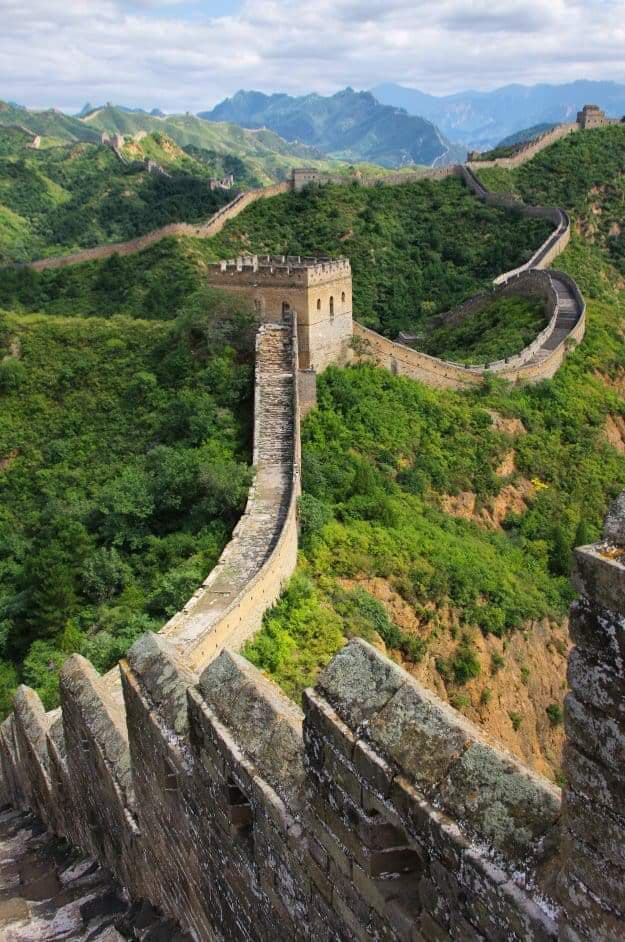
Explore Badaling, the most famous section of the Great Wall of China near Beijing. Discover its Ming Dynasty history, robust architecture, and panoramic views.
Overview
Nestled within the rugged mountainous terrain northwest of Beijing, Badaling stands as the most renowned and frequently visited section of China's iconic Great Wall. This restored segment, approximately 70 kilometers (43.5 miles) from Beijing's city center, was the first part of the Great Wall to open to the public in 1957, making it a primary destination for travelers seeking to experience this ancient marvel. Badaling is celebrated for its well-preserved Ming Dynasty architecture, wide walkways, and robust defensive structures that snake gracefully across the ridgelines. It offers a tangible connection to China's imperial past and a breathtaking panorama of the surrounding landscape, attracting millions of visitors annually.
History & Cultural Background
The history of the Great Wall at Badaling stretches back much further than its most famous Ming Dynasty fortifications. While significant construction and reinforcement occurred during the Ming Dynasty (1368–1644), with the present section largely built in 1504, archaeological evidence suggests earlier ramparts and beacon towers existed in the area as far back as the Warring States Period (475-221 BC). During the Ming Dynasty, Badaling held immense strategic importance, serving as 'the key to the northern gate of Beijing' due to its commanding position safeguarding key routes to the capital. Its name, which translates to 'giving access in all directions' or 'reaching eight directions,' aptly reflects its critical role as a transportation and defense hub linking Beijing with surrounding regions. Following the end of its military significance after the Qing Dynasty came to power in 1644, the Badaling section fell into disrepair. However, a new chapter began after the founding of the People's Republic of China, with restoration efforts commencing in 1949 and its grand opening to the public in 1957. Badaling was inscribed on the UNESCO World Heritage List in 1987, recognizing its universal cultural value.
What Makes It Special
Badaling stands out due to its exceptional state of preservation and comprehensive restoration, showcasing the Great Wall as it would have originally appeared. This section is characterized by its particularly robust construction, featuring walls built from large bar-stones and bricks, averaging 7.8 meters high and 6 meters wide at the top. This width was notably designed to allow five horses or ten soldiers to march abreast, facilitating rapid troop movement and supply transportation. The section includes 19 watchtowers along its 3.74 kilometers of accessible wall, each strategically placed a few hundred meters apart, equipped with battlements, peepholes, and apertures for archers. These towers, along with beacon facilities, were crucial for sending signals about approaching invaders. Badaling's impressive infrastructure, including wide walkways and convenient amenities, makes it the most accessible section for visitors of varying physical abilities. Its distinction as the first section opened to tourism, coupled with its recognition as one of the New Seven Wonders of the World in 2007, solidifies its unique status as a global landmark.
Stories, Fun Facts & Local Details
The name 'Badaling' itself offers insight into its historical significance, meaning a 'mountain corridor connecting all directions' or 'reaching eight directions,' underscoring its pivotal role in ancient travel and defense. This section has welcomed an extraordinary number of distinguished guests; over 540 heads of state and government from 179 countries have visited Badaling, including prominent figures like U.S. Presidents Richard Nixon and Ronald Reagan, Queen Elizabeth II, and Nelson Mandela. Indian Prime Minister Nehru was the first foreign leader to visit in October 1954, initiating its role as an important venue for state protocol. A fun detail for many visitors is the Badaling toboggan ride, an exhilarating descent that winds down the hillsides, offering unique glimpses of the Wall and often cited as a memorable part of the experience. Beyond the Wall itself, the area also features the Badaling National Forest Park, especially vibrant in autumn with its striking foliage, and the Great Wall Museum, which provides deeper historical and cultural context to this immense fortification.
Visitor Perspective
For many, Badaling offers an unparalleled first encounter with the Great Wall of China due to its excellent accessibility and well-developed visitor facilities. It's easily reachable from Beijing by various transport options, including direct buses and suburban trains, making it a convenient day trip. The best times to visit are during spring (April–May) and autumn (September–October) when the weather is pleasant, and the surrounding landscapes are particularly scenic with vibrant colors. To avoid the largest crowds, particularly during weekends, national holidays like Golden Week, or student summer vacations, it's highly recommended to arrive early in the morning. While Badaling can be crowded, its extensive and restored sections provide ample space for exploration, and venturing further from the main entrance points can offer a quieter experience. Visitors can choose to hike the Wall, or utilize a cable car or pulley system for ascent and descent, catering to different preferences and physical capabilities. The experience is enhanced by clear signage and the presence of amenities like restaurants and souvenir shops, though bringing one's own snacks is advisable to avoid tourist prices.
Coordinates: 116.00925, 40.3572
View on Google Maps💬 How Travelers Describe This Place
Based on community votes
Photogenic
934Unique
879Interesting
741Must See
482Beautiful
396
Traveler Stories
Discover memorable experiences shared by travelers who have visited this place.
No traveler stories yet.
Be the first traveler to share what made this place memorable.

Tour
By
Spot
Discover amazing places around the world. Your journey starts here.
Explore
© 2026 TourBySpot. All rights reserved.